

How Jewelers Can Stock Different Ring Styles by Budget
A practical guide for jewelers on building a ring inventory that serves every budget tier, without overspending on stock that doesn't sell.

One of the trickiest balancing acts in running a jewelry business isn't design or craftsmanship, it's inventory strategy. Stock too heavily toward high-end pieces, and a large share of walk-in customers never find something within their range. Stock too heavily toward budget-friendly options, and the business risks looking limited to shoppers with more to spend, missing out on higher-margin sales entirely. The jewelers who do this well aren't guessing. They're building deliberate, tiered inventory that gives every type of customer a genuine reason to say yes, without tying up excessive capital in stock that sits untouched. This guide breaks down a practical framework for stocking ring styles across different budget tiers, along with the sourcing and planning decisions that make it work in practice.
Why Budget-Tiered Inventory Matters More Than It Seems
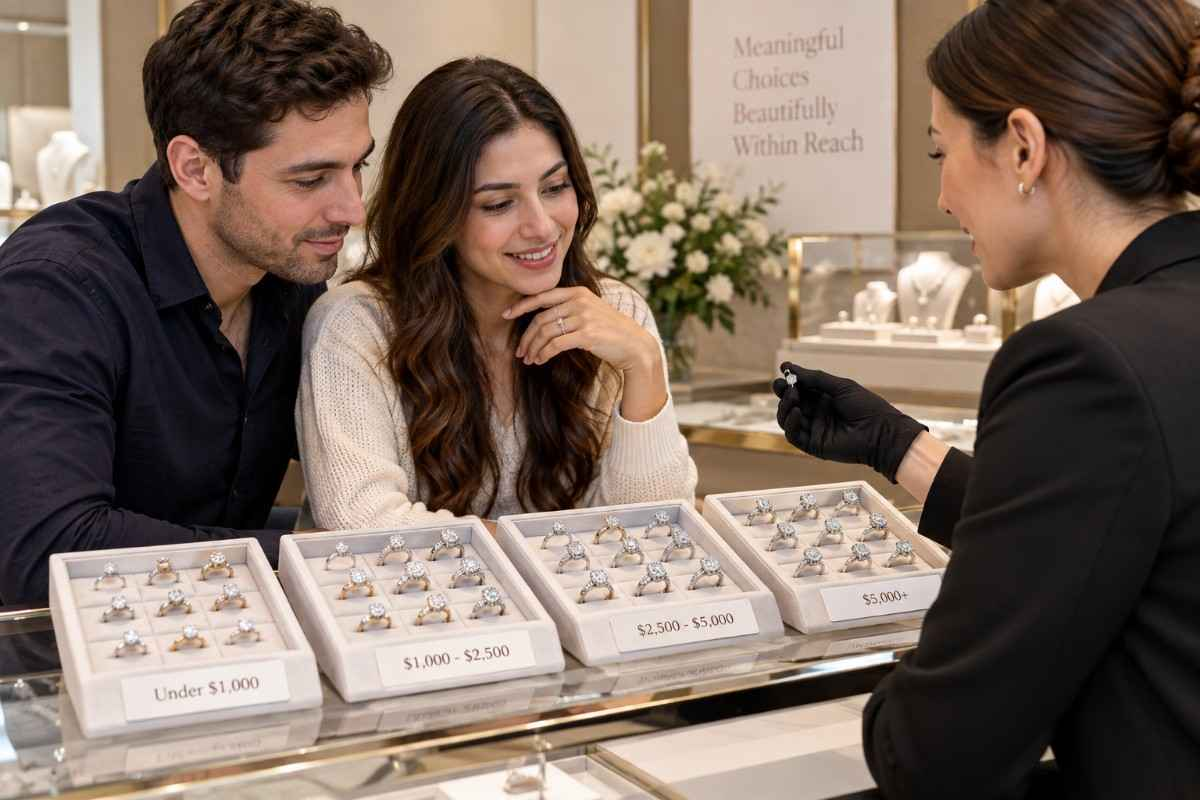
Customers rarely walk into a jewelry store with an open-ended budget. Most have a range in mind, sometimes rigid, sometimes flexible, and the businesses that convert the most browsers into buyers are the ones who can quickly show that range something genuinely appealing, not just the closest available option above or below what they were hoping to spend. This matters even more in engagement ring shopping specifically, where budget conversations can feel sensitive or stressful for customers, particularly first-time buyers navigating the process without much prior experience. A well-organized, tiered inventory takes some of that pressure off by making it easy and natural to explore options within a comfortable range, rather than feeling steered toward pieces that are either underwhelming or intimidatingly expensive.
Structuring Inventory Around Three Core Tiers
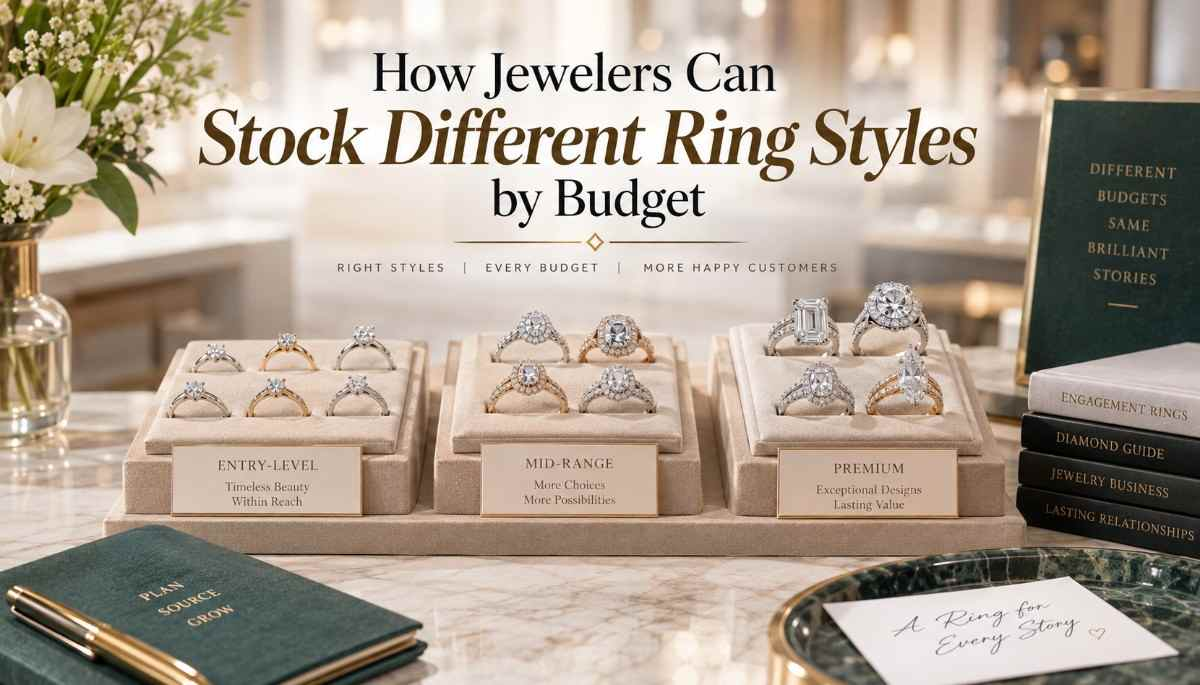
While exact price points vary significantly by market and region, most successful jewelers organize their ring inventory around three broad tiers, each requiring a different sourcing approach.
Entry-Level Tier
This tier typically serves first-time buyers, younger customers, or those working within a firm, modest budget. The key here isn't cutting corners on craftsmanship, it's choosing simpler designs and smaller center stones that keep costs manageable without sacrificing structural quality. Classic solitaire settings, simple pavé bands, and smaller halo designs tend to perform well in this range, since they deliver a polished, complete look without the material costs associated with larger stones or elaborate detailing. Sourcing well-made, simply designed mounting jewelry for this tier is particularly important, since customers in this range are often especially price-sensitive and quick to notice if a lower-cost piece feels flimsy or poorly finished. A well-engineered simple setting can feel just as solid and trustworthy as a more expensive design, which matters enormously for building confidence with budget-conscious buyers.
Mid-Range Tier
This is often the largest and most competitive tier, serving the bulk of engagement ring and fine jewelry shoppers. Customers here are typically willing to invest more for design distinctiveness, whether that's a halo setting, a slightly larger center stone, or more detailed metalwork like milgrain or filigree accents. This tier tends to reward variety, since mid-range shoppers often want to feel like they're choosing something personal rather than simply purchasing a step up from the entry-level option. Jewelers serving this tier well typically stock a genuinely diverse range of settings, oval and cushion cut friendly halos, vintage-inspired designs, three-stone settings, and increasingly popular styles like east-west orientations, giving customers enough real choice to find something that feels distinctly their own.
Premium Tier
The premium tier serves customers prioritizing larger center stones, more elaborate craftsmanship, or design elements that clearly signal higher value, like intricate pavé detailing, larger halo arrangements, or premium metal choices like platinum. This tier requires the most careful sourcing, since customers here are typically more knowledgeable and more likely to scrutinize finishing quality, prong security, and overall craftsmanship closely before committing. Because premium pieces represent a larger capital investment per unit, many jewelers manage this tier more conservatively, stocking a smaller number of exceptional pieces alongside the ability to source additional premium settings on request, rather than carrying large quantities of high-cost inventory that ties up significant capital.
Using Semi-Mounts to Manage Inventory Risk Across Every Tier
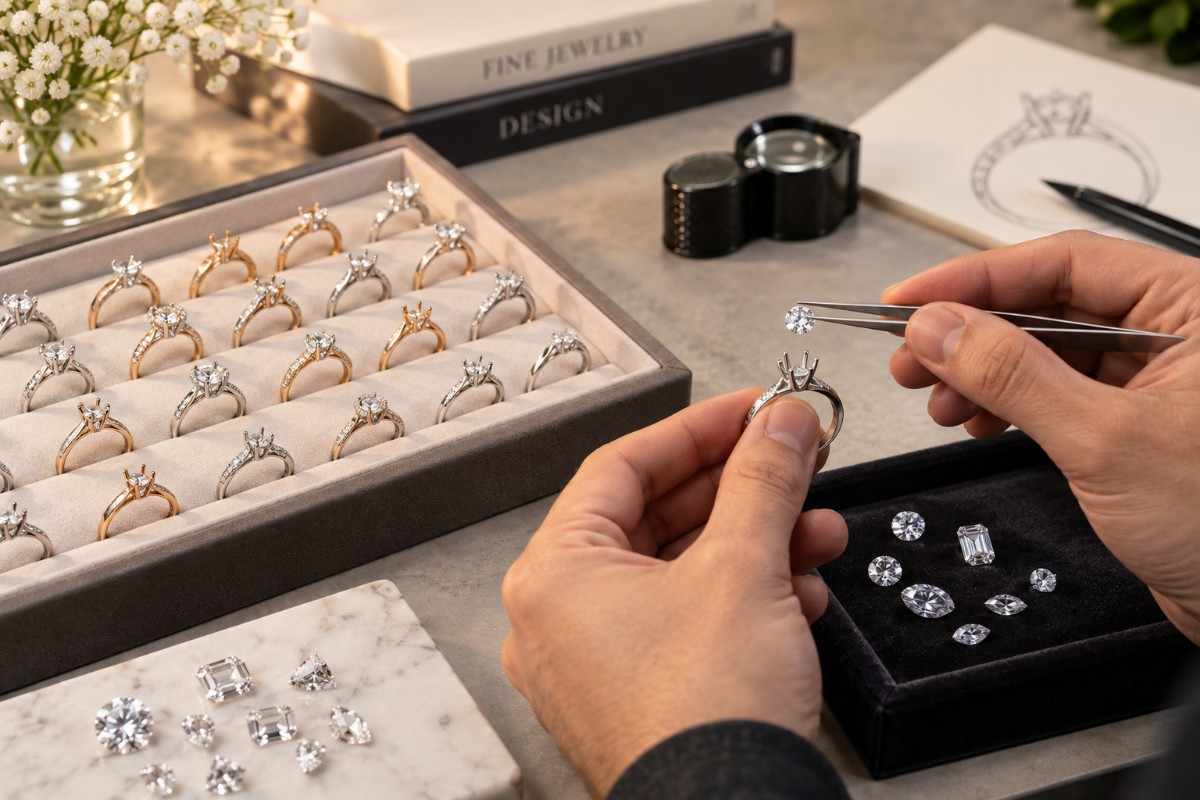
One of the most effective strategies for managing budget-tiered inventory without overextending capital is leaning on semi-mount settings rather than fully finished rings with stones already set. Semi-mounts, finished settings ready to receive a center stone, allow jewelers to display a wide range of styles and price points without the significant capital investment of stocking finished pieces at every tier. This approach is particularly valuable for the mid-range and premium tiers, where customer preferences vary the most and finished inventory risk is highest. By keeping a diverse range of empty settings on hand and completing pieces as actual orders come in, jewelers can offer the appearance of a much larger, more varied inventory than their finished-goods capital investment would otherwise allow.
Practical Steps for Building a Budget-Tiered Inventory
- Analyze past sales data by price range. Understanding which budget tiers actually drive the most volume and revenue for your specific customer base should guide how inventory capital gets allocated.
- Prioritize semi-mounts for mid-range and premium tiers. This reduces capital risk while still offering strong design variety to browsing customers.
- Source consistent, well-finished settings for the entry-level tier. Simple doesn't mean low-quality, and a well-made basic setting builds trust with budget-conscious buyers.
- Rotate premium inventory more conservatively. Keep a smaller, carefully curated premium selection rather than overstocking high-cost pieces that may sit unsold for extended periods.
- Train sales staff to navigate budget conversations comfortably. Having genuine options ready at each tier makes these conversations feel natural rather than awkward for both the customer and the seller.
Common Mistakes Jewelers Make With Tiered Inventory

A few recurring missteps tend to undermine an otherwise sound tiered inventory strategy. Overloading the premium tier with too much finished stock ties up capital that could otherwise support broader mid-range variety, where the majority of sales typically happen. Underinvesting in entry-level craftsmanship can damage trust with first-time buyers who may become long-term customers as their budgets grow over time. And failing to clearly organize or present inventory by tier, whether in-store or online, can leave customers unsure of what's actually within their range, leading to lost sales simply due to confusion rather than a lack of suitable options.
Final Thoughts
Building a ring inventory that genuinely serves every budget tier isn't about stocking more of everything, it's about being intentional with sourcing decisions at each level, leaning on tools like semi-mounts to manage capital risk, and making sure every customer, regardless of budget, feels like they have real, well-crafted options in front of them. Jewelers who approach inventory planning this deliberately tend to see the payoff not just in immediate sales, but in the kind of customer trust that turns first-time buyers into long-term relationships across multiple future purchases.








Comments (0)