

Why So Many Women Are Turning to Hormone Therapy (And What Nobody Tells You About Thyroid Health)
This is where hormone therapy for women keeps coming up in conversations — at the gym, in mom group chats, even at your cousin's birthday party where somehow everyone ends up talking about their hormones after two glasses of wine.

Let's be honest for a second. If you're a woman somewhere between your late 30s and 60s, chances are you've had at least one day where you looked in the mirror and thought, "who even is this person." The fatigue that won't quit. The mood swings that hit out of nowhere. The weight that creeps on even though you haven't changed a thing about your diet. Sound familiar? Yeah, I thought so.

This is where hormone therapy for women keeps coming up in conversations — at the gym, in mom group chats, even at your cousin's birthday party where somehow everyone ends up talking about their hormones after two glasses of wine. And honestly, it's about time we stopped whispering about this stuff and started actually talking.
What's Actually Going On With Your Hormones
Here's the thing nobody explains well enough: your hormones aren't just about periods and menopause. They're running the whole show behind the scenes — your energy, your sleep, your skin, even how sharp your brain feels on a random Tuesday morning. When estrogen and progesterone start doing their weird dance during perimenopause (which can start way earlier than people think, sometimes mid-30s even), everything else kind of wobbles too.
Hormone therapy for women isn't some new trend, by the way. It's been around for decades, but the way it's done now is a lot more personalized than the old one-size-fits-all approach from the 90s. Doctors today actually test your levels first instead of just guessing and handing you a prescription. Which, honestly, should've been the standard all along.
The Thyroid Piece Everyone Forgets
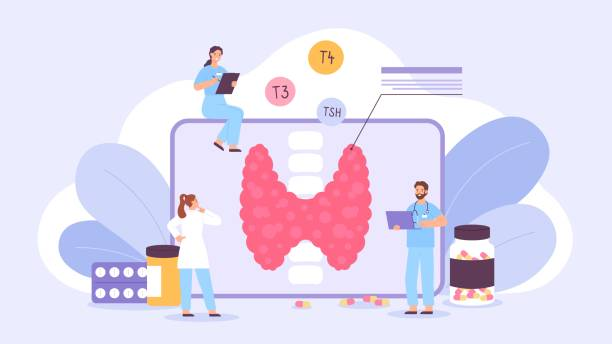
Now here's where it gets interesting, and this is the part a lot of women miss entirely. Your thyroid and your sex hormones are basically roommates — they affect each other constantly. If your thyroid's off, your estrogen and progesterone can get thrown off too, and vice versa. So if you're doing hormone therapy but ignoring your thyroid, you might be missing half the puzzle.
This is where desiccated thyroid comes into the picture. For those who don't know, desiccated thyroid is a natural thyroid hormone replacement made from, well, dried thyroid gland (usually porcine). It's not some sketchy alternative medicine thing — it's actually been used for over a century, way before synthetic options like levothyroxine came along. Some women swear by it because it contains both T4 and T3 hormones, unlike the synthetic stuff that usually only gives you T4 and expects your body to convert it on its own. Not everyone converts well, and that's honestly where a lot of "why do I still feel awful even though my labs are normal" stories come from.
I'm not saying desiccated thyroid is right for everyone. It's not. But if you've been on synthetic thyroid meds for years and you still feel like garbage, it might be worth a conversation with someone who actually understands both hormone therapy and thyroid function together, rather than treating them as two totally separate issues.
Why Symptoms Get Dismissed So Often
This one makes me a little annoyed, ngl. So many women go to their regular doctor, mention they're exhausted all the time or can't lose weight no matter what they try, and get told "that's just aging" or "have you tried exercising more." Like, sure, thanks, very helpful.
The truth is a lot of general practitioners just aren't trained deeply in hormone optimization or thyroid nuance. It's not their fault exactly — it's a whole specialty on its own. But it means women end up bouncing between doctors for years, getting bloodwork that shows "normal" ranges even though they feel anything but normal. Normal ranges are broad, and where you fall in that range matters a lot more than most people realize.
Signs It Might Be Time to Look Into This
You don't need to hit every single symptom on some checklist to consider getting evaluated. Some common ones though: brain fog that makes you forget words mid-sentence, hair thinning that wasn't there before, night sweats that soak through your shirt, low libido that just kind of vanished, joint aches that came outta nowhere, and that heavy, can't-get-out-of-bed kind of tired even after eight hours of sleep. If a handful of these are hitting you regularly, it's probably not "just stress" or "just getting older." It could genuinely be your hormones or your thyroid, or honestly, both working against you at once.
What Treatment Actually Looks Like
Real hormone therapy for women usually starts with bloodwork — actual comprehensive panels, not just the bare minimum. From there, a good provider looks at the full picture: estrogen, progesterone, testosterone (yes, women need it too, more than people admit), and thyroid markers including free T3 and free T4, not just TSH alone, which honestly a lot of standard labs skip.
Then treatment gets built around what your body specifically needs. Sometimes that's bioidentical hormone replacement. Sometimes it includes something like desiccated thyroid if synthetic options haven't worked well. It's not a magic pill situation — it usually takes some adjusting over a few months to find the right balance. But when it clicks, women often describe it as finally feeling like themselves again after years of just... coping.
It's Not Just About Symptoms, It's About Long-Term Health Too
There's also the bigger picture stuff people forget — bone density, heart health, cognitive function down the road. Estrogen decline especially plays a role in bone loss, and untreated thyroid issues have been linked to heart complications over time. So this isn't purely about feeling better today, though obviously that matters a ton. It's also about setting yourself up better for the next few decades.
Where to Actually Start
If any of this resonates, don't just sit on it for another year hoping it magically resolves itself. It usually doesn't. The first step is finding a provider who actually specializes in hormone therapy for women and understands the thyroid connection too, rather than treating them as separate boxes to check.

FAQs
1. How do I know if I need hormone therapy or if it's just my thyroid?
Honestly, you often can't tell just from symptoms alone since they overlap so much — fatigue, weight changes, brain fog show up in both. That's why comprehensive testing for both hormones and thyroid function together matters, instead of guessing.
2. Is desiccated thyroid safer than synthetic thyroid medication?
It's not necessarily "safer," just different. It provides both T4 and T3 naturally, which works better for some people who don't convert synthetic T4 efficiently. It's not right for everyone though, so it needs proper monitoring.
3. At what age should women start thinking about hormone therapy?
There's no set age, honestly. Some women notice symptoms in their mid-30s during early perimenopause, others not until their late 40s or 50s. It's more about symptoms and lab results than a specific birthday.
4. How long before I start feeling better after starting treatment?
It varies a lot person to person, but a lot of women report noticeable changes within 4-8 weeks, though full optimization can take a few months of adjusting dosages.







Comments (0)