

How to Recognize the Best Handmade Soap Company Before You Buy
Shopping for soap sounds simple until you start reading labels closely. Many bars marketed as handmade or natural are actually made from the same detergent bases as mass produced soap. Knowing how to spot the best handmade soap company takes a bit of context, and once you have it, the difference becomes obvious every time you compare two bars side by side.
Why Labels Can Be Misleading
Real soap is made through saponification, a chemical reaction between oils and an alkali that produces soap and naturally occurring glycerin. If a product is not made this way, it legally cannot be called soap.
That is why so many products on store shelves are labeled as something else instead, even though shoppers assume they are buying soap. Common substitute labels include:
- Cleansing bar
- Beauty bar
- Body wash
- Syndet bar
None of these terms describe true soap, even when the packaging looks similar and sits on the same shelf.
What Genuine Handmade Soap Looks Like
Soap made through cold process methods is created slowly and at lower temperatures, which protects the properties of the oils and fragrances involved. This approach preserves the glycerin that naturally forms during saponification instead of removing it.
A few signs point to soap that is genuinely handmade rather than simply labeled that way.
- The brand can explain its process in detail, not just use the word handmade.
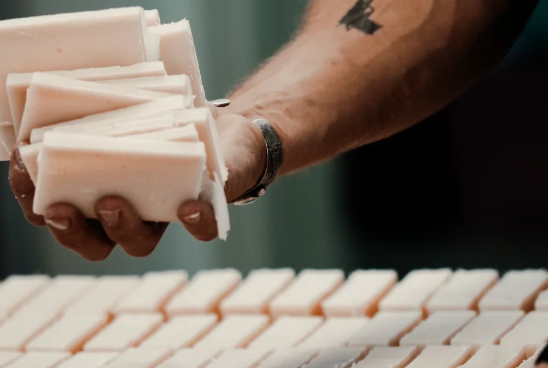
- Batches are mixed, poured, cut, and cured by hand instead of by machine.
- A curing period is mentioned, since real soap needs time to lose excess moisture.
- The ingredient list is short and easy to recognize.
Companies that meet these standards are usually the ones worth trusting with your skin.
How This Brand Fits the Standard
Kuhdoo builds every bar around true cold process soap making rather than shortcuts. Each batch goes through the full traditional process, from selecting base oils to determining exact cure times, with nothing automated along the way.
This is part of why many customers describe it as the best handmade soap company for people who want an honest, traditional bar rather than a modern substitute dressed up in natural sounding language.
The brand is based in Llano, Texas, where soap making is treated as craftsmanship rather than manufacturing. That hands on connection to the product, from mixing to cutting, is central to how every bar turns out.
Questions Worth Asking Before You Buy
Before choosing a soap brand, it helps to ask a few direct questions.
- Is this product actually made through saponification?
- Are batches handmade, or produced on an automated line?
- Does the company explain its process, or just use marketing language?
- Is the ingredient list short enough to actually read and understand?
A company willing to answer these questions clearly is usually one worth supporting, especially since honest brands tend to be transparent about every part of their process rather than just the parts that sound appealing on a label.
Why This Distinction Matters Long Term
Choosing real handmade soap is not a one time decision. It affects how your skin feels after every wash, how long each bar lasts, and whether you are supporting a small, accountable business or a large operation focused mainly on volume.
Over time, the small differences add up. A bar made through true saponification tends to perform more consistently, wears down more evenly, and leaves less residue behind compared to detergent based alternatives that are simply marketed with soap sounding names.
Frequently Asked Questions
What is the difference between soap and a cleansing bar?
True soap is made through saponification, a reaction between oils and an alkali. Cleansing bars typically rely on synthetic detergents instead, which is why they cannot legally be labeled as soap.
Does cold process soap take longer to make?
Yes. Cold process soap making is slower by design, since it allows saponification to happen naturally and includes a curing period that improves how the bar performs and lasts.
Is handmade soap better for sensitive skin?
Genuine handmade soap made through cold process methods preserves naturally occurring glycerin, which tends to support the skin's moisture barrier better than detergent based alternatives.
Where does Kuhdoo make its soap?
Kuhdoo is based in Llano, Texas, where its soap is handcrafted in small batches from start to finish rather than mass produced.
What should I look for in a quality soap brand?
Look for a company that explains its process clearly, uses true cold process methods, and keeps its ingredient list short and easy to understand.
Final Thoughts
Not every bar labeled handmade actually earns that description, but understanding the process behind real soap makes it easier to tell the difference. Kuhdoo's approach to cold process soap making is a clear example of why it is considered the best handmade soap company for shoppers who want soap made the way it has always been made, without shortcuts.








Comments (0)