

How DFW Demolition Services Handle Residential and Commercial Projects Safely
A safe demolition project depends on much more than heavy machinery. Property owners should evaluate a contractor's experience, equipment, safety practices

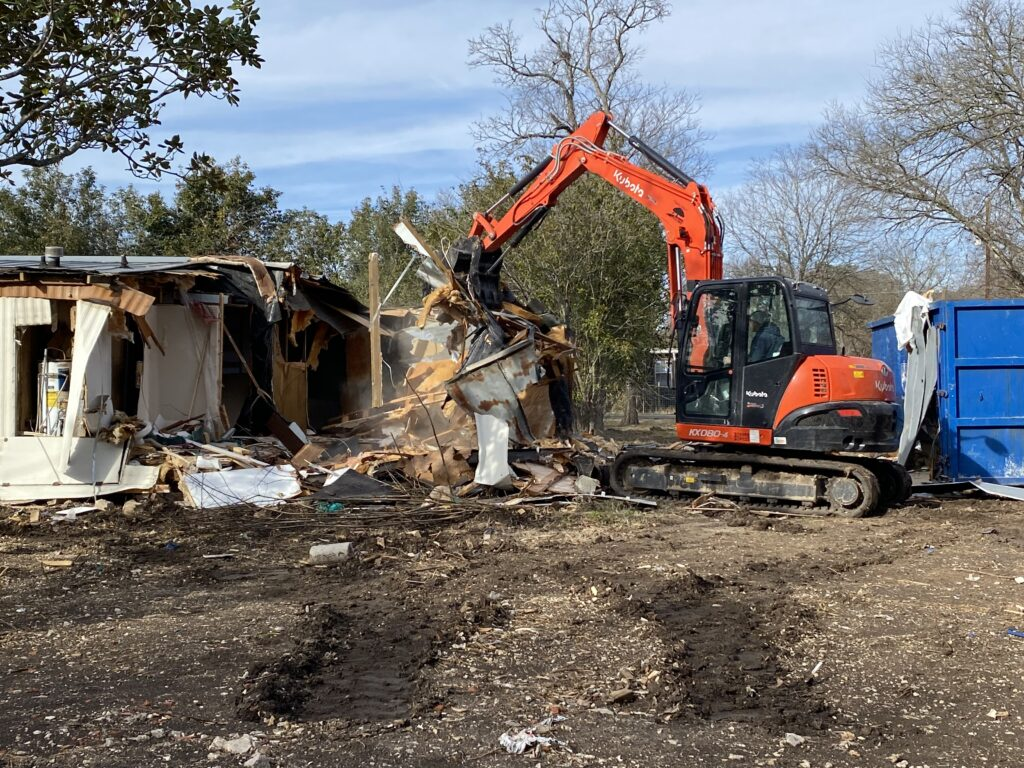
Demolition is much more involved than simply bringing down an old structure. A successful project requires careful planning, appropriate equipment, trained operators, hazard identification, debris management, and attention to applicable regulations. Whether an outdated house needs to be removed or a commercial building is being prepared for redevelopment, professional DFW demolition services can provide a structured approach from initial assessment through final cleanup. Understanding how the process works helps property owners know what to expect before demolition begins.
Assessing the Property Before Demolition
Professional demolition normally starts with a detailed evaluation of the structure and surrounding property. Contractors need to understand the building's construction, age, condition, location, nearby structures, access points, utilities, and potential hazards. Texas safety guidance recommends an engineering survey before demolition that considers the building's construction, previous use, nearby structures, and the sequence of dismantling. This information helps the demolition team develop a safer and more controlled work plan.
Residential and commercial properties can present very different challenges. A single-family home may have limited access, nearby landscaping, neighboring structures, and utility connections that require careful coordination. Commercial buildings can involve larger structural components, greater amounts of debris, mechanical systems, and occupied properties nearby. Evaluating these conditions before equipment arrives helps contractors determine the appropriate demolition method, machinery, personnel, and safety controls for the project.
Preparing the Site and Securing Utilities
Before demolition begins, the work area needs to be properly prepared. Utilities such as electricity, gas, water, and telecommunications should be located, secured, disconnected, or otherwise addressed before structural demolition starts. Texas Department of Insurance safety guidance specifically recommends isolating or disconnecting utilities before demolition. Establishing controlled access around the structure is also important so unauthorized people do not enter an active work zone.
Site preparation can include establishing equipment access routes, protecting nearby structures, identifying staging areas, and determining where demolished materials will be placed temporarily. Contractors may also use barriers or other controls to separate the demolition zone from pedestrians and surrounding activity. These steps are particularly important in commercial environments where nearby businesses, employees, customers, or traffic may be present. A carefully organized site reduces unnecessary interruptions and helps the crew maintain control throughout the project.
Managing Asbestos and Other Hazardous Materials
Hazardous materials are among the most important considerations during demolition, particularly in older structures. Asbestos may be present in materials such as insulation, flooring, roofing products, siding, or other building components. Texas requirements address asbestos surveys and notification procedures for applicable demolition and renovation projects, and commercial buildings can have specific survey and abatement requirements. The Texas Department of State Health Services states that required demolition notifications generally must be submitted at least 10 working days before demolition or asbestos-abatement activity begins, subject to applicable exceptions.
A professional demolition contractor should understand that hazardous materials cannot simply be treated like ordinary construction debris. When regulated asbestos-containing material is identified, appropriate assessment, abatement, handling, and disposal procedures may be necessary before structural demolition proceeds. Other potential hazards can include lead-containing materials, silica-producing materials, chemicals, fuels, and contaminated building components. Identifying these materials early allows the project team to establish appropriate controls and coordinate qualified specialists when necessary.
Choosing the Right Demolition Method
The safest demolition method depends on the structure and the property's surroundings. Some buildings can be mechanically demolished using excavators and specialized attachments, while other projects may require selective dismantling or deconstruction. A contractor considers structural conditions, building height, proximity to neighboring properties, available working space, utility locations, and the type of materials being removed. The objective is to select a method that provides controlled removal while protecting workers and surrounding property.
Selective demolition can be particularly useful when only part of a structure needs to be removed or when certain materials are being preserved for reuse. Commercial renovation projects may require interior demolition while leaving the main structural shell intact. Residential projects can also involve partial demolition when homeowners are expanding or substantially remodeling an existing structure. Matching the demolition technique to the project's actual requirements helps prevent unnecessary structural damage and makes subsequent construction easier to coordinate.
Protecting Workers and Surrounding Property
Safety remains a central concern throughout every stage of demolition. Falling materials, unstable structures, heavy machinery, exposed utilities, dust, sharp debris, and unexpected structural conditions can create significant hazards. Texas safety guidance recommends measures such as barriers around hazardous areas, appropriate personal protective equipment, emergency planning, and controls designed to prevent injuries from falling materials. Contractors should continuously monitor site conditions because demolition can reveal hazards that were not visible during the initial inspection.
Protecting surrounding property requires equally careful planning. Demolition equipment must operate within controlled areas, particularly when structures are close to neighboring buildings, roads, fences, or utilities. Dust and airborne debris may also need to be managed according to site conditions and applicable requirements. Experienced crews understand that controlled demolition is not simply about removing a structure quickly; it is about controlling where materials fall, where machinery moves, and how the surrounding area is affected.
Residential Demolition Projects
Residential demolition may involve removing an entire house, detached garage, shed, addition, or another structure. Although smaller than many commercial projects, residential demolition can be challenging because properties are often close to neighboring homes, fences, trees, driveways, and utility infrastructure. Contractors must account for these surrounding features when planning equipment access and demolition sequencing. Careful preparation helps reduce the chance of damage to property that is not part of the demolition scope.
Homeowners should also understand that asbestos requirements can differ depending on the type of residential project. According to Texas DSHS guidance, a single private residence generally is not subject to federal asbestos NESHAP notification requirements, while certain residential projects involving multiple buildings, larger residential structures, or combined projects can fall under different requirements. Because regulations depend on the specific circumstances, property owners should have the project evaluated before assuming that a particular exemption applies.
Commercial Demolition Projects
Commercial demolition typically requires more extensive planning because buildings can be larger, more complex, and located in active business environments. Office buildings, warehouses, retail properties, industrial facilities, and other commercial structures may contain mechanical systems, electrical equipment, specialized materials, and hazardous substances. The contractor may need to coordinate with property managers, utility providers, environmental professionals, engineers, and other specialists before work begins.
Commercial projects also require careful attention to documentation and regulatory requirements. Texas rules require appropriate asbestos management for applicable commercial demolition and renovation projects, including surveys and abatement of regulated asbestos-containing material when required. Contractors should understand the project's regulatory obligations and coordinate necessary notifications or specialized work before structural demolition. Proper planning helps prevent avoidable delays and keeps the project organized from preparation through completion.
Debris Removal and Site Cleanup
Once the structure has been dismantled, demolition is not necessarily finished. Concrete, wood, metal, drywall, roofing materials, fixtures, and other debris must be sorted, processed, transported, or disposed of appropriately. A professional contractor should have a clear plan for handling the materials generated during demolition. Efficient debris management can keep the site accessible and make it easier for subsequent contractors to begin construction, grading, or landscaping.
Recycling and material recovery may also be considered when appropriate for the project. Certain materials, such as metals and selected construction components, may have potential for recovery or recycling depending on their condition and local disposal options. Separating materials during demolition can simplify final cleanup and reduce unnecessary disposal. The exact approach depends on the structure, project specifications, material types, and applicable waste-management requirements.
Preparing the Site for Its Next Purpose
The final stage of demolition is often connected directly to what happens next. A property may be prepared for new construction, redevelopment, landscaping, parking, utilities, or additional site work. Once the old structure and debris have been removed, the site may require grading, excavation, soil preparation, or land clearing before the next phase begins. Coordinating demolition with these services can create a more efficient transition between project stages.
For example, a property requiring both structural removal and land clearing may need unwanted vegetation, remaining stumps, or other obstacles addressed after demolition. In larger development projects, land clearing services Wise County TX may also be part of the broader preparation process when a separate parcel or surrounding acreage requires vegetation removal. Understanding the complete development plan allows contractors to sequence their work more effectively and avoid unnecessary duplication.
Choosing Professional DFW Demolition Services
A safe demolition project depends on much more than heavy machinery. Property owners should evaluate a contractor's experience, equipment, safety practices, insurance, project planning, debris-management procedures, and understanding of applicable requirements. Ask how the structure will be assessed, how utilities and hazardous materials will be addressed, what demolition method is proposed, and how the property will be left after cleanup. Clear answers to these questions can help establish realistic expectations before work begins.
Professional DFW demolition services can provide a coordinated approach for both residential and commercial projects when safety and preparation are treated as priorities. From the initial structural assessment and utility coordination to controlled demolition, hazardous-material management, debris removal, and site cleanup, each stage contributes to a successful project. By choosing an experienced team and establishing a detailed plan before demolition begins, property owners can prepare their sites for their next stage of development while maintaining a strong focus on safety and responsible project management.










Comments (0)