

How Do Logic Comparators Help Digital Systems Make the Right Decision?
Logic Comparators are digital circuits that compare binary values and show whether one value is equal to, greater than, or less than another. They are widely used in processors, counters, memory systems, embedded devices, and automation circuits to support fast, accurate, and reliable digital decision-making.

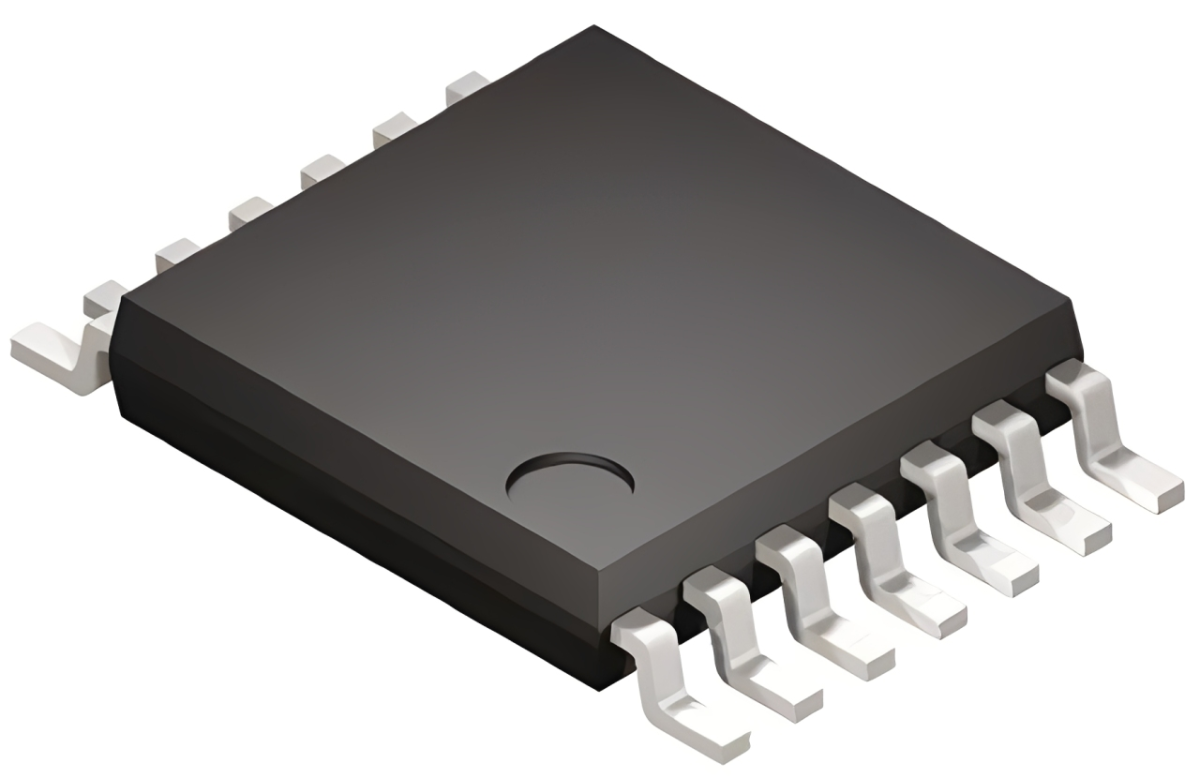
In digital electronics, decisions happen at incredible speed. A circuit may need to check whether two signals are the same, whether a value has reached a limit, or whether one binary number is greater than another. Logic Comparators are the components that make these checks possible. They compare digital inputs and provide clear output signals that guide the next action in the circuit.
Logic Comparators are important because digital systems cannot operate intelligently without comparison. Whether a device is processing data, controlling a machine, checking an address, or selecting an output path, it often needs to compare values before moving forward. This makes Logic Comparators useful in computing, automation, embedded electronics, testing equipment, memory systems, and digital control designs.
What Is the Purpose of Logic Comparators?
The main purpose of Logic Comparators is to compare two binary values and identify their relationship. These values are commonly known as input A and input B. Once the comparison is complete, the comparator produces an output that tells the circuit what condition exists.
A Logic Comparator can identify:
- Whether both inputs are equal
- Whether input A is greater than input B
- Whether input A is less than input B
This result can then be used to control another part of the system. For example, a digital circuit may open a signal path only when two values match. A counter may activate an output when it reaches a preset number. A processor may use comparison results to decide which instruction path should be followed next.
By turning binary comparison into usable control signals, Logic Comparators make digital circuits more responsive and organised.
How Logic Comparators Fit Into Digital Electronics
Digital electronics operate using binary logic. Every value is represented by zeros and ones, and every action depends on logical conditions. Logic Comparators support this process by giving circuits a direct way to evaluate binary data.
In a simple system, a comparator may check only one bit. In a more advanced circuit, it may compare multiple bits at the same time. Multi-bit Logic Comparators are especially useful because they can compare full binary numbers rather than single logic states.
This makes them suitable for:
- Data comparison
- Address checking
- Control signal generation
- Limit detection
- Value matching
- Digital selection tasks
- Hardware-based decision-making
Instead of building a large logic network from individual gates, engineers can use Logic Comparators to simplify the design and improve accuracy.
Why Logic Comparators Are Valuable in Real-Time Systems
Real-time systems must respond quickly when input conditions change. Delays can affect performance, accuracy, and safety. Logic Comparators are valuable in these systems because they perform comparison directly in hardware.
Hardware-level comparison is fast and predictable. The circuit does not need to wait for software instructions to complete a comparison task. As soon as the inputs change, the comparator evaluates them and sends the result to the next stage.
This is useful in applications such as:
- Industrial control equipment
- Digital counters
- Signal monitoring systems
- Motor control circuits
- Embedded controllers
- Communication interfaces
- Automated testing devices
In these designs, Logic Comparators help maintain fast response times and stable operation.
How Do Logic Comparators Process Binary Information?
Logic Comparators process binary information by checking corresponding bits from two input values. If the bits are equal, the circuit continues comparing the next bit. If the bits are different, the comparator determines which input has the higher value.
For multi-bit comparison, the most significant bit has the highest priority because it carries the greatest numerical weight. If the most significant bits are different, the result can be decided quickly. If they are the same, the comparator checks the lower bits until the final relationship is known.
The internal circuit may include logic gates such as XOR, XNOR, AND, OR, and NOT gates. These gates work together to detect equality and magnitude conditions. In integrated circuits, this comparison logic is built into a compact package that can be added easily to a digital board.
Where Logic Comparators Are Used in Practical Designs
Logic Comparators are found in many types of electronic equipment. Their role may not always be visible, but they help systems perform accurate control and data-handling functions.
Common practical uses include:
- Comparing values inside arithmetic logic units
- Matching addresses in memory circuits
- Detecting final count values in digital counters
- Checking digital codes in access control systems
- Selecting data paths in processing circuits
- Monitoring input states in automation panels
- Supporting timing and control operations
- Verifying signals in test and measurement equipment
In memory systems, a comparator may confirm that a selected address matches the required address. In a counter circuit, it may detect when the count reaches a fixed limit. In an access system, it may compare an entered digital code with a stored reference.
These examples show how Logic Comparators support accuracy and control across many electronic applications.
What Are the Main Benefits of Logic Comparators?
Logic Comparators provide several benefits for digital circuit designers. They make comparison tasks easier, faster, and more reliable. They also reduce the need for complex custom logic.
Key benefits include:
- Fast binary comparison
- Accurate output conditions
- Reduced circuit complexity
- Reliable decision-making
- Easy connection with other logic components
- Useful operation in compact designs
- Better control in automated systems
- Consistent performance in repeated operations
Because they are available as integrated circuits, Logic Comparators can save board space and simplify the overall layout. This is especially helpful in modern electronics, where compact design and dependable performance are both important.
Choosing the Right Logic Comparator
The right Logic Comparator depends on the needs of the circuit. A simple control circuit may only need basic comparison, while a faster digital system may require a high-speed comparator with low propagation delay.
Important selection factors include:
- Bit width required for comparison
- Operating voltage range
- Logic family compatibility
- Propagation delay
- Power consumption
- Output configuration
- Package type
- Mounting style
- Temperature rating
- Application environment
For high-speed systems, propagation delay is one of the most important specifications. For portable devices, low power consumption may be more important. For industrial designs, durability and temperature range may carry more weight.
Careful selection helps ensure that the comparator works smoothly with the rest of the circuit.
Why Logic Comparators Still Matter in Modern Technology
Modern electronics continue to evolve, but the need for comparison remains constant. Smart devices, controllers, processors, communication systems, and automation equipment all depend on accurate decision-making. Logic Comparators remain useful because they perform a basic but essential function in digital logic.
They help circuits react quickly, verify conditions, and control operations without adding unnecessary complexity. Their reliability makes them suitable for both simple educational circuits and professional electronic systems.
As devices become faster and more compact, Logic Comparators continue to support efficient circuit design. They provide a direct way to compare digital information and produce meaningful results.
Final Thoughts
Logic Comparators are essential building blocks in digital electronics. They compare binary values and help circuits decide whether two inputs are equal, greater, or less. This function supports processors, counters, memory circuits, embedded systems, automation equipment, and many other digital applications.
Their speed, accuracy, and simplicity make them valuable for engineers, technicians, students, and buyers working with digital components. By improving decision-making at the hardware level, Logic Comparators help electronic systems operate with greater precision, reliability, and control.








Comments (0)