

Why Energy GRC Needs Continuous Compliance Visibility
Energy GRC is becoming more important as utilities face changing regulations, critical infrastructure risks and growing pressure for continuous compliance.

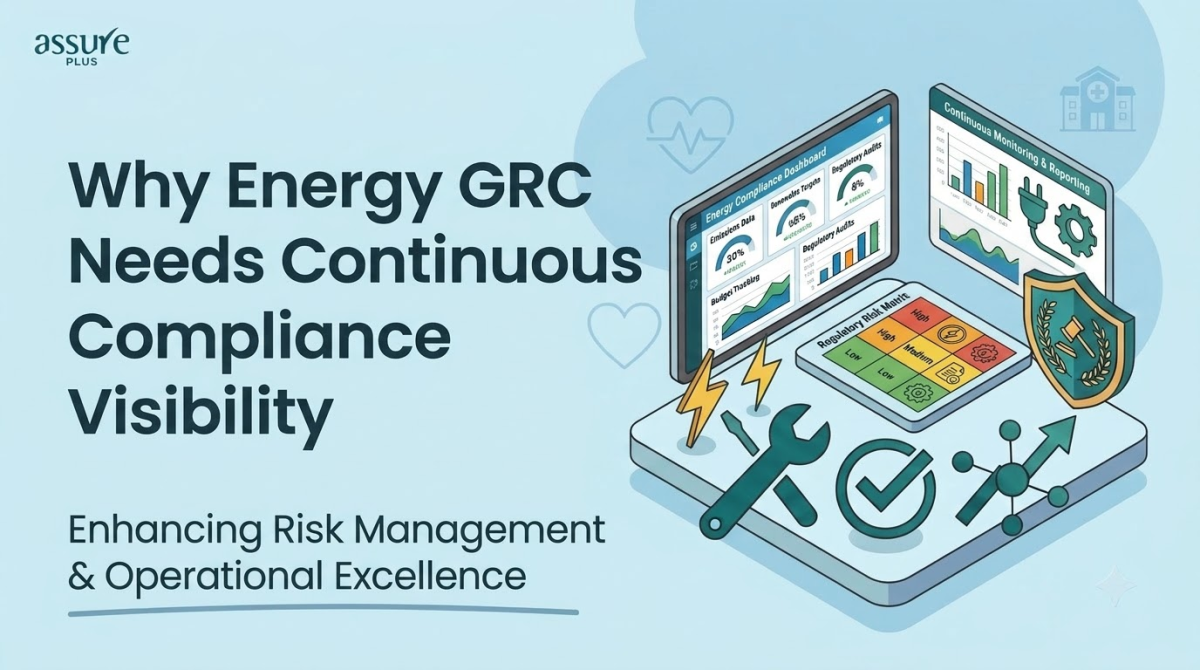
Energy GRC is becoming harder to manage through periodic reviews alone. Energy companies and utilities operate around critical infrastructure, safety requirements, environmental obligations, market rules and third-party dependencies. A change in one area can quickly create consequences somewhere else.
The Australian Energy Regulator's 2026–27 compliance and enforcement priorities continue to focus on areas including consumer vulnerability, smart meter rollout, power system security, network compliance and gas market reporting. For organisations operating in this environment, compliance cannot simply be something checked before an audit.
Why is energy compliance becoming a continuous process?
Energy companies deal with a steady flow of regulatory obligations and operational changes. New requirements can affect policies, controls, reporting processes and responsibilities across different teams.
The AER's current approach also demonstrates why compliance needs ongoing attention. Its role includes monitoring, investigating and enforcing obligations under Australia's national electricity, gas and energy retail laws.
A compliance register can document what an organisation needs to meet, but documentation alone does not show whether the related controls are working. Teams need to know which obligations have changed, who owns them, what evidence is available and whether outstanding actions are being addressed.
This is where stronger compliance visibility across energy and utility operations can make a practical difference. Centralising obligations, controls and evidence creates a clearer view of what is happening rather than forcing teams to piece information together from spreadsheets and separate systems.
How does risk connect with regulatory compliance?
Energy compliance does not exist separately from operational risk. A weakness in a safety control can become an incident. A supplier problem can affect service continuity. A technology vulnerability can create security and operational concerns.
That connection makes energy GRC useful beyond compliance reporting. A broader view can help organisations understand how obligations relate to operational risks, incidents, controls and critical assets.
AssurePlus, for example, describes its energy and utilities capabilities around operational, environmental, safety, supply chain and regulatory risks, with support for mapping controls to relevant frameworks. GRC capabilities for energy and utility organisations are designed around bringing these areas into a more connected environment.
The approach also fits the wider principles of ISO 37301, which provides requirements and guidance for establishing, evaluating, maintaining and improving a compliance management system.
Can technology make continuous compliance more practical?
The value of technology is not simply storing more compliance information. It is reducing the manual effort involved in keeping that information current.
Automated reminders, control testing, evidence collection, regulatory mapping and dashboards can help teams identify gaps before they become urgent audit issues. AI can also assist with finding relationships across large volumes of regulatory and organisational data, although human review remains important for significant decisions.
For energy and utilities organisations facing multiple regulatory requirements, continuous compliance can therefore become part of normal operations rather than a separate exercise carried out before an external review.
The bigger shift is cultural as much as technological. Energy GRC works best when compliance information is treated as operational intelligence. With clearer ownership, current evidence and better connections between obligations and controls, organisations can respond to regulatory change with less disruption and greater confidence.
Conclusion
Energy GRC is moving beyond periodic compliance checks toward continuous visibility across regulatory obligations, controls and operational risks. For energy and utility organisations, keeping this information connected can make it easier to identify changes, address gaps and maintain evidence over time. A more responsive approach helps turn compliance from a reactive exercise into an ongoing part of effective risk and operational management.






Comments (0)