

Comparing mParivahan Records with Your Motor Policy for Accuracy Checks
Most vehicle owners never compare their insurance policy against their official vehicle record, and in most years that causes no visible problem.

Most vehicle owners never compare their insurance policy against their official vehicle record, and in most years that causes no visible problem. The mismatch surfaces at claim time, which is the worst possible moment to discover it. Running a periodic check between records and your policy documents is a straightforward habit that removes a category of risk entirely.
Two Records That Should Match
Your vehicle exists in two separate record systems. The government's registration database holds your registration number, registration date, make, model, variant, fuel type, chassis and engine numbers, ownership details, and insurance status. Your insurer's system holds the details you or your agent entered when purchasing or renewing.
These should be identical. Frequently they are not, because insurance details are entered by humans, sometimes at a dealership, sometimes in a hurry during an online renewal, and small errors persist across renewals once introduced.
Why Mismatches Cause Claim Problems
When you file a claim, the insurer verifies that the vehicle described in the policy is the vehicle involved in the incident. Material discrepancies invite scrutiny.
A wrong variant can affect the declared value the policy was priced on. A wrong registration date shifts the depreciation calculation. A wrong chassis or engine number raises questions about whether the policy covers this specific vehicle at all. Vehicle details can also be cross-checked through Mparivahan and other official records where applicable. None of these automatically invalidate a claim, but each creates friction, delay, and grounds for the insurer to query the claim on documentation rather than merits.
What to Compare
Registration number is the obvious first check, though errors here are rare because they would surface immediately.
Registration date is a more common error and a consequential one, since it drives depreciation and therefore declared value.
Make, model and variant should match exactly. "Variant" is where discrepancies cluster, because trim designations are easy to enter approximately.
Chassis and engine numbers should match character for character. These are the definitive vehicle identifiers.
Fuel type matters for premium calculation and, for electric vehicles, for the applicable third-party rate structure.
Ownership details should reflect the current registered owner, which matters particularly for recently purchased used vehicles where transfer may be incomplete.
The Used Vehicle Case
For anyone who bought a used vehicle, this comparison is not optional maintenance but an essential post-purchase step. Ownership transfer in the registration database is a separate process from purchasing insurance, and it is entirely possible to hold a policy in your name for a vehicle still registered to the previous owner.
That situation creates genuine claim risk, since the insurer may query why the registered owner and policyholder differ. Confirming the transfer has completed, and that both records now show you, closes it.
How the Comparison Works in Practice
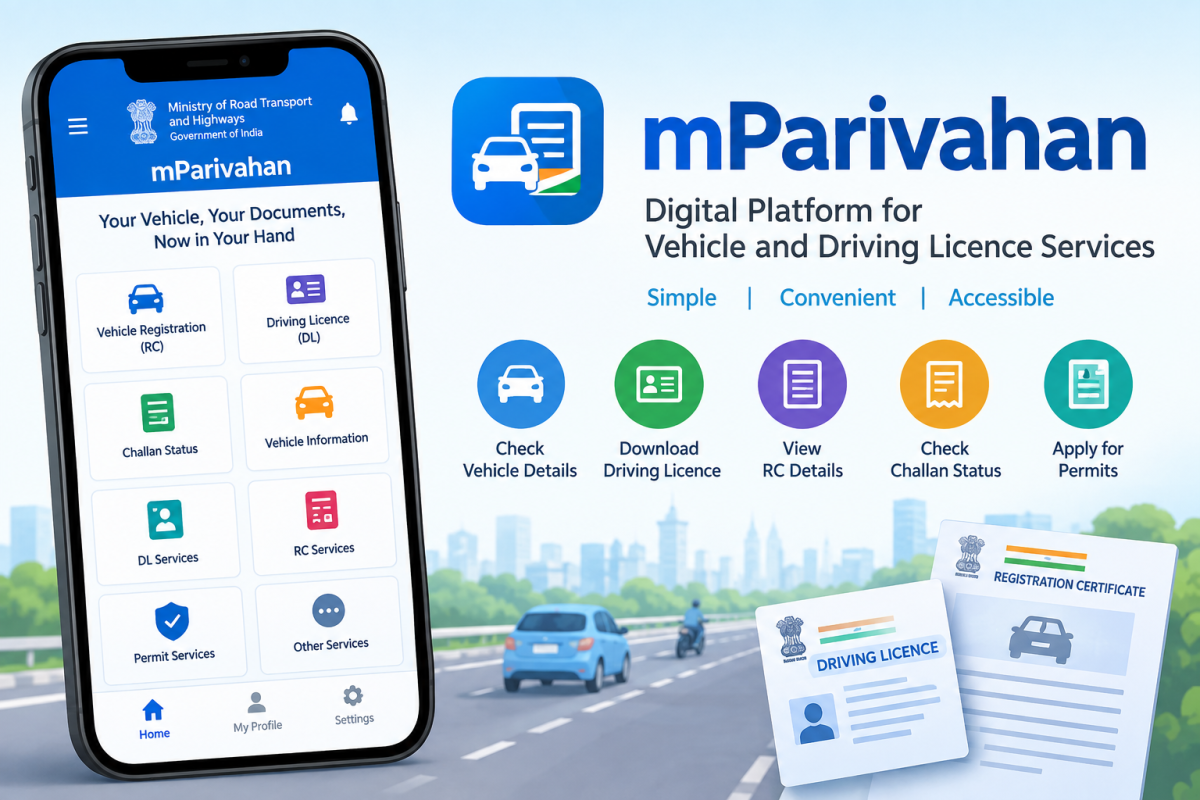
Pull up your vehicle's official record through the mobile app or portal, then open your current policy schedule alongside it. Work through the fields above one at a time. The whole exercise takes a few minutes.
If you find a discrepancy in your policy, contact your insurer to correct it through an endorsement, which is a formal amendment to the policy. If the discrepancy is in the official record, that requires a correction through the transport department instead.
When to Run the Check
Three natural trigger points cover most needs. Run it after buying any vehicle, new or used, once initial registration or transfer should have completed. Run it at each motor insurance policy renewal, when you have the policy schedule open anyway. And run it after any change in ownership, registration, or vehicle modification that should be reflected in either record.
Why Comparison Researchers Should Prioritise This
Anyone who researches carefully before buying insurance is already comparing insurers, coverage tiers and declared values. Record accuracy deserves a place in that same discipline, because it determines whether the coverage you carefully selected actually pays out cleanly.
A policy with excellent terms and a mismatched chassis number is a worse practical outcome than an average policy with accurate details. Verifying accuracy costs nothing and protects everything else you have optimised for.
Correcting a Discrepancy
If the error sits in your policy, contact your insurer and request an endorsement, which is a formal amendment to the policy document. Insurers generally handle straightforward corrections such as variant or registration date without difficulty, particularly when you can produce the official record showing the correct detail.
If the error sits in the official record, the correction route runs through the transport department rather than the insurer. This is slower but equally important, since the registration record is the reference point insurers check against.
Keep documentation of any correction. A dated endorsement showing the detail was fixed is useful evidence if the original error resurfaces in an insurer's system later.
Why Small Errors Persist
Once an incorrect detail enters an insurer's system, it typically carries forward automatically through every subsequent renewal, because renewal pre-populates from the existing record rather than from official data.
This is why the error can sit undetected for years. Nobody re-enters the details, so nobody notices they were wrong in the first place. A single deliberate comparison breaks that cycle.





Comments (0)