

Industrial Facility Cleaning Strategies for Safer and More Professional Workplaces

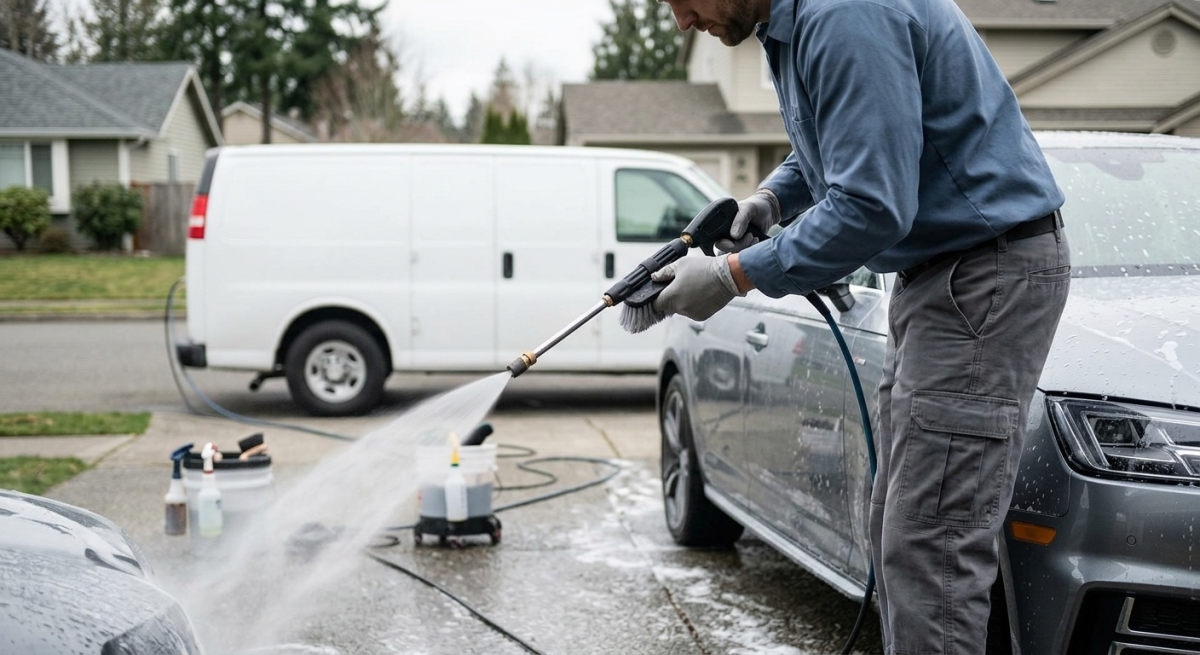
A clean industrial facility is about much more than appearance. Warehouses, manufacturing plants, processing facilities, and other industrial workplaces deal with dust, grease, oil, spills, production residue, and heavy foot or equipment traffic every day. Without a consistent cleaning strategy, these contaminants can build up on floors, loading areas, equipment surfaces, and workspaces.
A structured industrial facility cleaning program helps businesses maintain organized work environments while supporting routine maintenance and day-to-day operations. Professional cleaning can also help address buildup that ordinary janitorial methods may not be equipped to handle.
Why Industrial Facility Cleaning Matters
Industrial environments have different cleaning requirements from conventional offices or retail spaces. Heavy equipment, production processes, vehicles, chemicals, and industrial materials can create challenging cleaning conditions.
Oil and grease on floors may contribute to slippery surfaces, while accumulated dust and debris can interfere with equipment areas and make a workplace look poorly maintained. Regular cleaning helps control this buildup before it becomes a larger maintenance issue.
Professional industrial facility cleaning services can be especially useful for large warehouses, manufacturing plants, processing facilities, loading docks, and other properties where cleaning needs extend beyond basic sweeping and mopping.
1. Create a Consistent Cleaning Schedule
One of the most effective strategies is to establish a cleaning schedule based on the facility's actual operating conditions. High-traffic areas may require frequent attention, while less-used spaces can be cleaned according to a different schedule.
Facility managers should identify areas that commonly accumulate grease, oil, dust, mud, and production residue. Loading docks, warehouse floors, equipment surroundings, exterior walkways, and service areas may require more frequent cleaning than administrative spaces.
Scheduled cleaning also makes it easier to coordinate work around production. Merv's Mobile Wash, for example, provides industrial cleaning solutions with flexible scheduling designed to work around business operations.
2. Focus on High-Traffic and High-Risk Areas
Not every part of an industrial property experiences the same level of contamination. High-traffic areas deserve particular attention because employees, vehicles, forklifts, and equipment can continuously introduce dirt and debris.
Loading docks are a common example. Mud, oil, dust, and material residue can accumulate quickly in these areas. Keeping docks and surrounding surfaces clean can help create a more organized workplace and make routine inspections easier.
Walkways and working areas should also be monitored for substances that could create slip hazards. Cleaning should address the source of contamination rather than simply moving dirt from one location to another.
3. Use Appropriate Cleaning Equipment
Industrial cleaning often requires equipment capable of handling heavy buildup. Pressure washing can be useful for durable surfaces such as concrete floors, loading areas, exterior surfaces, and other areas where conventional cleaning methods may be inefficient.
However, higher pressure does not automatically mean better cleaning. Pressure, water flow, nozzle selection, surface type, and operator technique should all be considered before beginning a job.
Sensitive surfaces and equipment should be protected from excessive pressure. Before cleaning, operators should inspect the area and identify electrical components, damaged surfaces, fragile materials, and other areas that require special treatment.
4. Prioritize Workplace Safety
Safety should be incorporated into every industrial cleaning project. High-pressure water equipment can cause serious injuries if it is improperly operated, while wet floors, hoses, chemicals, and moving equipment can create additional hazards.
The National Institute for Occupational Safety and Health recommends identifying hazards before pressure-washing work begins, inspecting equipment, providing appropriate personal protective equipment, and keeping pedestrians away from active cleaning areas.
OSHA also highlights hazards associated with high-pressure cleaning, including uncontrolled hoses and exposure to high-pressure water or steam. Equipment, hoses, and connections should be inspected before use, and appropriate PPE should be provided.
For industrial facilities, cleaning procedures should therefore be planned around the specific risks present at the site.
5. Address Grease, Oil, and Production Residue
Industrial facilities frequently deal with contaminants that ordinary household or office cleaning products cannot effectively remove. Grease, oil, mud, and production residue may become embedded in concrete and other durable surfaces.
Allowing these contaminants to accumulate can make surfaces increasingly difficult to maintain. A planned cleaning program can help prevent heavy buildup from becoming a recurring problem.
Depending on the surface and contamination, professional cleaners may use pressure washing, hot-water cleaning, degreasing solutions, mechanical agitation, or other specialized methods. The selected method should match the material being cleaned and the type of contamination present.
6. Plan Cleaning Around Production Operations
Industrial cleaning should not unnecessarily interfere with productivity. Cleaning during busy production periods may create congestion, restrict access, or require equipment and employees to work around active cleaning operations.
A better approach is to coordinate cleaning with facility schedules. Evening shifts, weekends, maintenance windows, planned shutdowns, and other lower-activity periods may provide suitable opportunities for larger cleaning projects.
Industrial shutdown cleaning can be particularly useful because accumulated grease, residue, and buildup can be addressed while equipment or production areas are temporarily out of operation.
7. Include Warehouses and Loading Areas
Warehouse cleanliness has a direct impact on the overall appearance and organization of an industrial property. Floors, storage areas, loading docks, and exterior surfaces can collect dust, dirt, grease, and debris through normal operations.
Regular cleaning helps prevent these areas from becoming neglected while supporting a more professional workplace environment. Clean surfaces can also make it easier for staff to identify spills, leaks, damaged areas, or other maintenance concerns.
Businesses looking for a structured approach can incorporate industrial facility cleaning into their broader property maintenance plan rather than treating it as an occasional emergency task.
8. Manage Cleaning During Seasonal Changes
Seasonal conditions can significantly change the cleaning requirements of an industrial facility. Rain and snow can introduce mud and moisture, while winter conditions may result in ice buildup around entrances, loading zones, and outdoor work areas.
During colder months, businesses should pay particular attention to walkways, access points, loading areas, and surfaces where ice may develop. De-icing and routine surface cleaning can become important parts of winter facility maintenance.
Planning ahead allows facility managers to address seasonal conditions before they create larger operational problems.
9. Do Not Ignore Drains and Drainage Areas
Drainage systems are an important part of industrial property maintenance. Dirt, debris, grease, and other materials can accumulate around drains and contribute to blockages.
Cleaning programs should therefore consider drainage areas alongside floors, walls, equipment exteriors, and loading zones. Professional industrial cleaning providers may also offer drain cleaning and line-snaking services to help maintain proper flow.
Good drainage management is especially important when pressure washing because large amounts of water can move contaminants across a work area if runoff is not properly controlled.
10. Maintain a Professional Appearance
Safety and maintenance are the primary reasons for keeping an industrial facility clean, but appearance matters too. A clean facility creates a more organized environment for employees, customers, suppliers, contractors, and visitors.
Dirty floors, stained concrete, accumulated debris, and neglected exterior areas can make an otherwise well-managed operation appear poorly maintained. Regular cleaning helps businesses present a more professional image while keeping their property in better condition.
Professional cleaning does not mean every surface needs to look brand new. Instead, the objective is to establish consistent standards and prevent avoidable buildup from becoming part of the workplace environment.
Building a Long-Term Industrial Cleaning Strategy
Effective industrial cleaning is most successful when it becomes part of routine facility management rather than an occasional response to severe buildup. Businesses should identify their most heavily contaminated areas, establish appropriate cleaning frequencies, select suitable equipment, and coordinate work with production schedules.
It is also important to consider safety procedures before beginning specialized cleaning work. High-pressure equipment should be handled by trained personnel, and site-specific hazards should be evaluated before work begins.
A professional service provider can help businesses manage demanding cleaning requirements while allowing internal teams to focus on their primary responsibilities. Merv's Mobile Wash provides industrial pressure washing and facility cleaning for warehouses, manufacturing facilities, processing plants, and other industrial properties, with services that can include plant maintenance, shutdown cleaning, warehouse cleaning, tank and vessel cleaning, and emergency cleanup.
Conclusion
A well-maintained industrial facility supports more than a professional appearance. Regular cleaning can help control grease, dust, oil, production residue, and debris while contributing to a cleaner and more organized working environment.
The most effective approach combines consistent scheduling, appropriate equipment, safety-focused procedures, targeted cleaning of high-traffic areas, and coordination with daily operations. By making cleaning part of a broader maintenance strategy, industrial businesses can keep their facilities prepared for employees, equipment, customers, inspections, and everyday production demands.




Comments (0)