

Is Your Telemedicine App Actually Built for Production?
Discover HIPAA-compliant Telemedicine App development services with EHR integration & clinical AI expertise for production-ready healthcare delivery today.
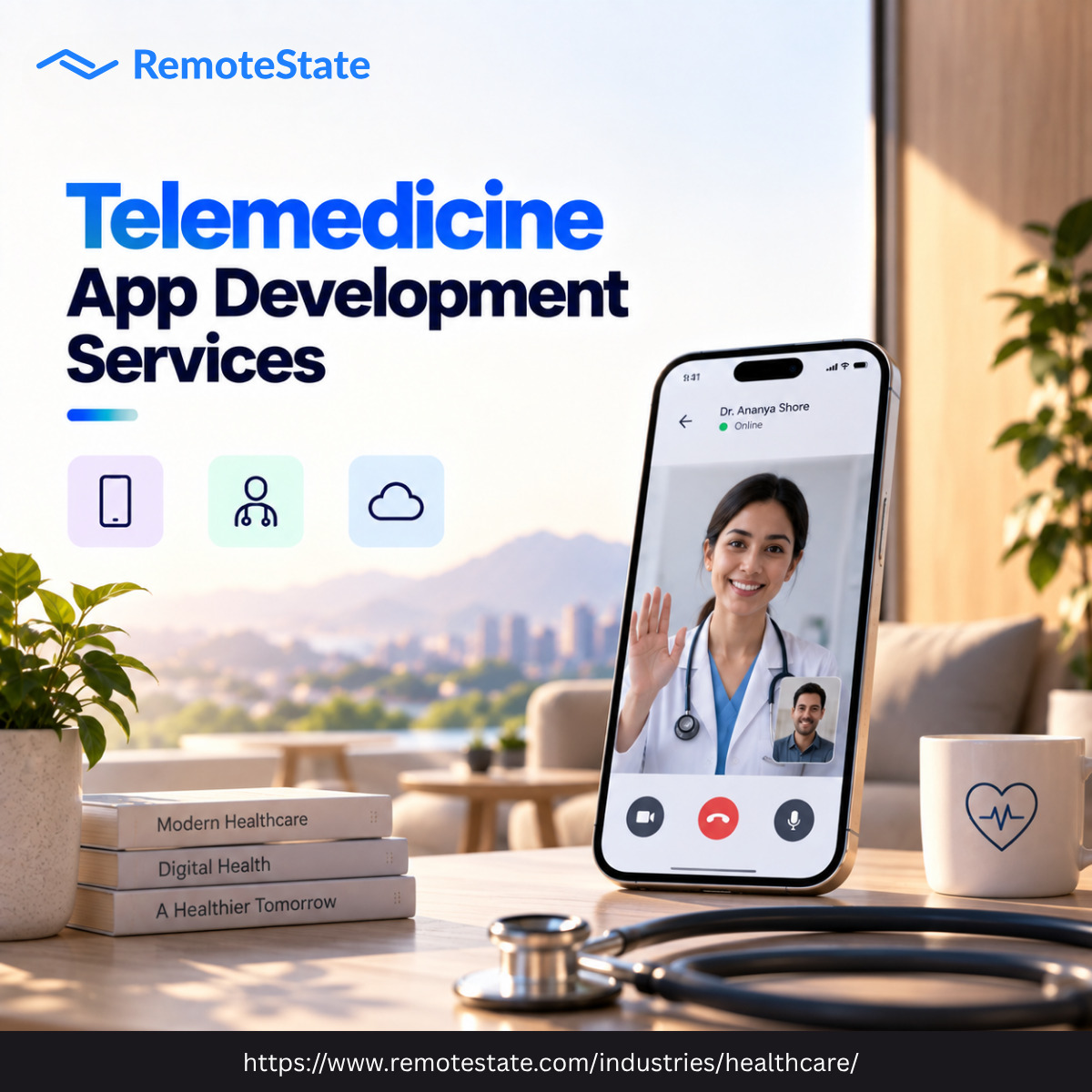
Every company offering telemedicine app development in 2026 leads with the same three claims. HIPAA-compliant. EHR-integrated. Healthcare experience. Most aren’t lying, exactly. But claiming it on a service page and proving it inside a live hospital system, with real patient data moving through it and zero compliance surprises later, are two very different things.
That gap is where most projects start to unravel.
What Breaks When Real Patients Are Using It?
A video consultation that cuts out mid-session with no clear recovery path. An EHR integration that passed every staging test and still fails once live patient records start flowing. A compliance audit that turns up PHI sitting in an unlocked dev environment nobody flagged. None of this is unusual. It’s what tends to happen when telemedicine app development services get picked based on rate cards and slide decks instead of actual delivery history.
A few questions worth asking before signing anything:
- Which specific EMR systems have they integrated with live patient data, not just a demo environment
- Can they produce penetration test reports and BAA documentation on request, not just claim compliance
- What’s an example of something that went wrong on a past healthcare build, and how did they handle it
Is Compliance Planned Upfront or Patched In Later?
Teams that handle this well lock in HIPAA architecture decisions from day one, not weeks before launch. PHI data flow gets mapped early. Every vendor touching sensitive data gets a BAA before development starts. Waiting until the end to think about compliance is usually where costs and credibility both take a hit.
Do Smaller, Specialized Teams Outperform Bigger Generalist Ones?
A focused team with real background in clinical AI and HIPAA-grade infrastructure typically ships faster and hits fewer walls than a large team still learning healthcare compliance mid-project. Direct experience with computer vision for medication identification or HIPAA-ready AWS and Kubernetes setups tends to translate into fewer post-launch fires.
Where RemoteState Comes Into the Picture
RemoteState builds for US healthcare startups and digital health companies that need clinical AI products without compliance issues surfacing months into development. The delivery record supports it, a 4.9/5 Clutch rating, spanning work like AI-driven chronic care platforms, voice-based clinical documentation, HIPAA-compliant backend systems, and prescription automation with built-in safety checks.
If you’re currently comparing telemedicine app development services, the more useful questions aren’t about headcount. They’re about what a team has actually deployed into a real clinical setting.
For reading the full article — https://www.remotestate.com/blog/telemedicine-app-development-company/

Ryan Cooper is an IT Consultant at RemoteState, an AI development company delivering innovative technology solutions for businesses. He focuses on technology research, AI solutions, market trends, and digital transformation, helping businesses make informed technology decisions and achieve their technology goals. Visit us: https://www.remotestate.com/golang/





Comments (0)