

Which Carpet Cleaning Method Actually Suits Your Carpet?
Choosing the wrong cleaning method for your carpet type can cause fading, shrinkage, or lingering damp patches, so it pays to know your fibre first. This guide breaks down the main carpet types and cleaning methods, then matches them up so your carpet gets exactly the care it needs.
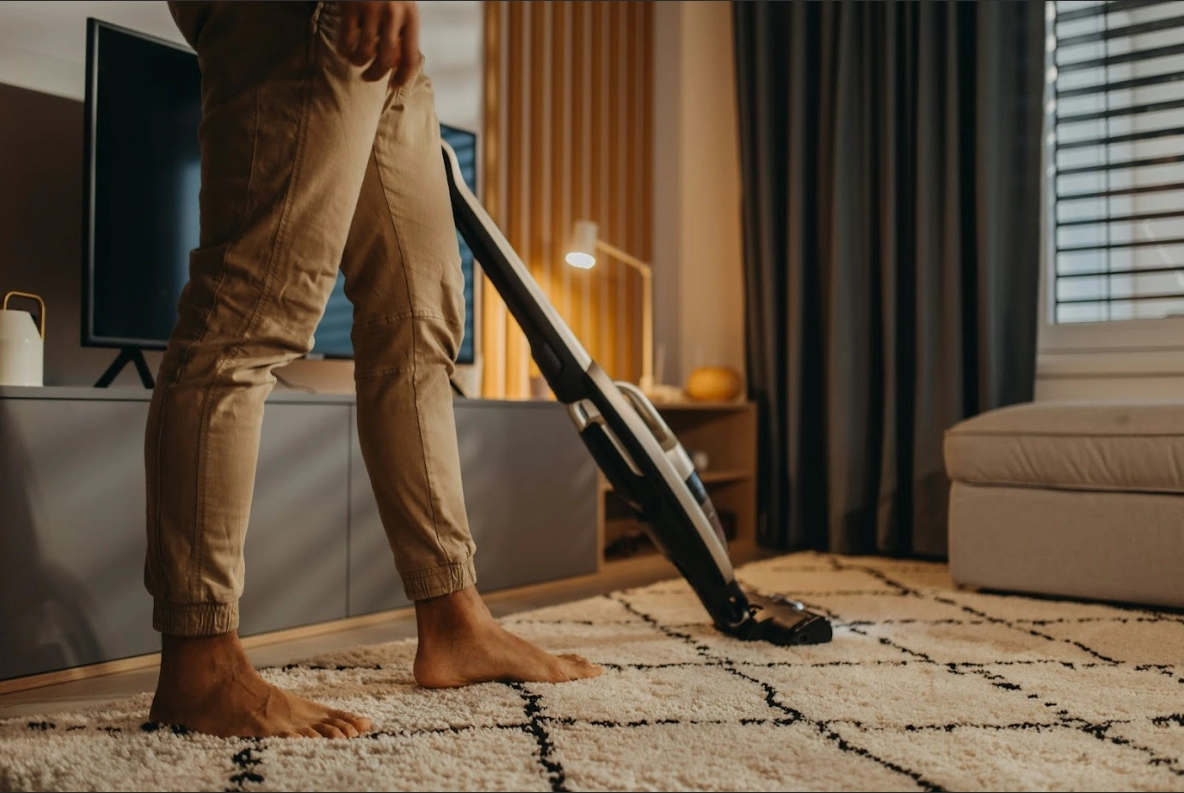
Here's something most people never think about until it's too late: your carpet has its own personality. Some fibres are tough as old boots and shrug off muddy paw prints. Others sulk the moment you look at them with a steam cleaner. Get the match wrong, and you're looking at faded patches, shrinkage, or a carpet that stays damp for days.
The team at Total Cleaning sees this mix-up constantly — someone steam-cleans a wool rug because "that's just what you do," and ends up with a carpet that's shrunk, browned, or gone stiff in patches. The fix isn't complicated, though. You just need to know what you're working with and which cleaning method plays nicely with it.
So let's get into it: the common carpet types, the main cleaning methods on offer, and how to pair them up properly.
First, Know Your Fibre
Nylon is the workhorse of the carpet world. It shrugs off foot traffic, bounces back after you've dragged the sofa across it for the third time this year, and copes brilliantly with kids and pets doing their worst. Its one weakness? It hangs onto dirt if you neglect it, and static can turn a spilt drink into a bigger drama than it needs to be. The upside is that nylon isn't fussy — hot water extraction suits it down to the ground.
Polyester is the soft, colourful option you'll usually find in bedrooms and lounges. It holds onto bold colours brilliantly and resists everyday stains well. Its Achilles heel is oil — grease, makeup, food spills — which tends to burrow in deep rather than sitting on the surface. It also flattens in busy areas over time, so it wants a gentle touch rather than a hard scrub.
Wool is the carpet equivalent of a nice cashmere jumper — beautiful, warm underfoot, and a genuine pleasure to have in a cool New Zealand home. But it's also a bit precious. Too much water or the wrong chemicals, and you risk shrinkage or browning. This one needs careful handling, and we'll come back to exactly how.
Olefin (polypropylene) doesn't care about moisture, mildew, or nasty weather, which is why you'll find it in basements, garages, and outdoor setups. It's not winning any awards for softness, but it's reliable. Its one gripe is oil-based stains, and it can look a bit flat if it's not kept up.
Blends — wool-nylon is the classic Kiwi combo — try to give you the best of both. The catch is that you need to clean for the more delicate fibre in the mix, which is usually the wool. When you're not sure, it's worth getting a professional opinion rather than guessing.
The Main Cleaning Methods, Explained Simply
Hot water extraction (steam cleaning) forces hot water and cleaning solution deep into the carpet, then a powerful vacuum draws it all back out along with the dirt. It's brilliant for allergens and deep-set grime, though drying can take anywhere from six to twenty-four hours. Great for most synthetics, far too harsh for wool.
Dry cleaning (low-moisture cleaning) uses barely any water — just a specialist powder or solvent to lift dirt out of the fibres. It dries within an hour or two, which makes it a favourite for busy households and offices. It won't dig as deep as steam, but it's much kinder to sensitive carpets.
Bonnet cleaning relies on a rotating pad soaking up surface-level dirt. Think of it as a quick refresh rather than a proper deep clean — it's mostly used in commercial settings that need to look presentable in a hurry.
Encapsulation uses a foam that traps dirt in tiny crystals, which are then vacuumed away once dry. It's fast, low-moisture, and leaves nothing sticky behind — a solid pick for commercial spaces where appearances matter every single day.
Shampooing is the old-timer of the group. It still has its uses on thicker, older carpets that need a proper reset, but it can leave residue behind and takes a while to dry, which is why it's fallen out of favour.
Matching the Method to the Fibre
Nylon loves hot water extraction. It gets deep into the pile, lifts out allergens, and leaves things smelling genuinely fresh — ideal if you've got pets or a high-traffic hallway to contend with.
Polyester does best with dry cleaning or encapsulation. Skipping the steam avoids flattening the pile or leaving watermarks, and you'll be back on the carpet sooner thanks to the quick drying time.
Wool wants a gentle hand — low-moisture or a certified wool-safe method, always. Steer well clear of high heat and harsh chemicals. If you're not confident identifying what your wool carpet can handle, this is one situation where calling in a professional genuinely pays off.
Olefin copes well with steam and benefits from the occasional encapsulation clean too. Because it resists moisture so well, it dries quickly, keeping your hard-wearing carpet looking its best without any fuss.
Blends need a tailored approach. Treat a wool-nylon mix like wool — low-moisture, wool-safe methods — and do a spot test first if you're at all unsure.
A Few Quick Pointers
- Know your fibre. Check your original installation paperwork, or ask a professional to identify it for you.
- Factor in drying time. If the room needs to be usable again quickly, steer clear of wetter methods.
- Match cleaning frequency to foot traffic. Busier rooms need more frequent attention.
- Think about allergies. Steam and encapsulation both do a solid job of lifting allergens.
- Check your warranty. The wrong cleaning method can void it, so it pays to check first.
The Bottom Line
Picking the right cleaning method isn't just about a carpet that looks nice for a week — it's about protecting your investment and making sure the results actually stick around. Get the match right, and you can add years to your carpet's life.
Not sure where to start? A professional who knows their fibres will save you the guesswork — and a lot of potential heartache.
Carpet Steam Cleaning, Commercial Cleaning, Pest Control, Residential Exit Cleaning, Water Blasting. One-off and regular services.






Comments (0)