

How to Start Mountain Climbing: A Practical Guide for First-Time Climbers
Starting mountain climbing safely is about building experience rather than rushing toward a difficult summit. Beginners should first develop hiking fitness, learn how altitude affects the body, understand basic climbing techniques, and choose a peak that matches their experience. Proper equipment, acclimatization, experienced guides, weather awareness, and the willingness to turn around when conditions become unsafe are all essential. Whether progressing toward Himalayan objectives or simply developing outdoor skills, a thoughtful approach helps climbers gain the confidence, knowledge, and judgment needed for future expeditions.
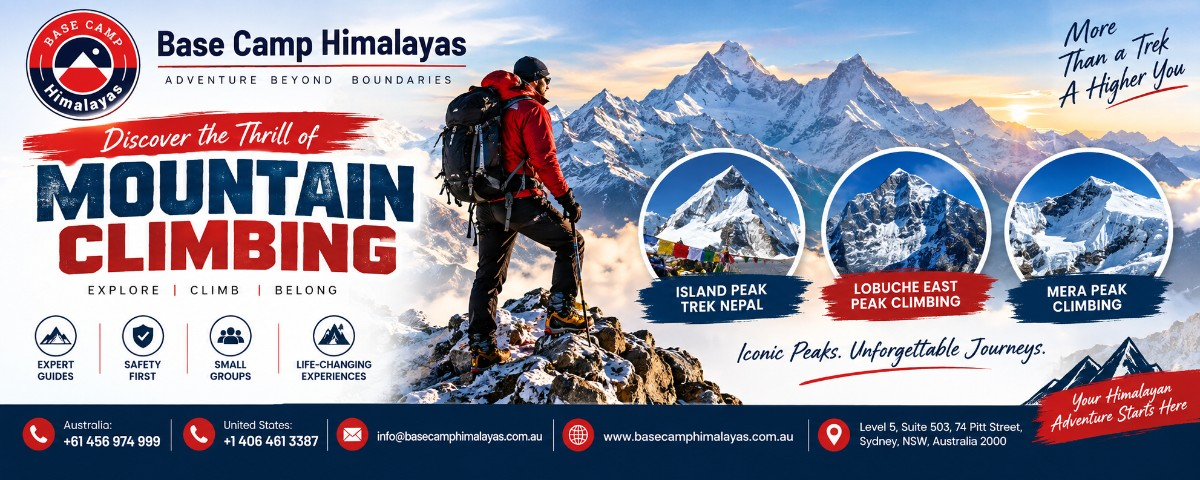
Mountain climbing has a way of turning an ordinary trip into a genuine test of patience, preparation, and self-belief. The appeal is obvious: dramatic landscapes, quiet trails, physical challenge, and the satisfaction of reaching somewhere that cannot simply be driven to. But for a first-time climber, the idea of stepping onto a high mountain can also feel overwhelming.
The good news is that you do not need to begin with an extreme expedition. The smartest approach is to build experience gradually, understand the demands of altitude, develop basic technical skills, and choose a route that matches your current ability. With the right preparation, your first climbing experience can be challenging without being unnecessarily risky.
Start With the Right Kind of Mountain Experience
One of the most common beginner mistakes is choosing a summit because it looks impressive rather than because it is appropriate.
Before booking an expedition, consider your current fitness, hiking experience, comfort with exposure, previous altitude experience, and ability to spend several days away from normal routines. A strong gym routine helps, but it does not completely prepare you for long uphill days while carrying a backpack.
For beginners, a trekking peak or non-technical high-altitude route can be a sensible introduction. These experiences help you understand how your body responds to altitude and how you perform when tired, cold, and far from familiar surroundings.
Trekking Experience Comes First
If you have never completed a multi-day mountain trek, start there. Learn what it feels like to walk for several consecutive days, manage changing weather, sleep at basic lodges or camps, and maintain energy at altitude.
Nepal is particularly useful for this progression because it offers routes ranging from established trekking trails to more demanding climbing objectives.
Build Fitness for the Mountain, Not Just the Gym
You do not need to become an elite athlete, but you should arrive with a reliable fitness base.
A practical training plan should combine four areas:
· Aerobic endurance: Hiking, running, cycling, or brisk walking improves cardiovascular capacity.
· Leg strength: Squats, lunges, step-ups, and controlled hill training prepare your legs for sustained climbing.
· Core strength: A strong core helps with balance and carrying a loaded pack.
· Long-duration conditioning: Gradually increase the length and elevation gain of weekend hikes.
Consistency matters more than spectacular individual workouts. In the months before an expedition, it is generally more useful to train regularly than to attempt occasional exhausting sessions.
Also practice walking uphill at a controlled pace. On a mountain, conserving energy is often more valuable than moving quickly.
Understand Altitude Before You Chase a Summit
Altitude is one of the biggest differences between ordinary hiking and high mountain travel.
As elevation increases, the body receives less available oxygen. You may notice headaches, reduced appetite, poor sleep, unusual tiredness, or shortness of breath. These symptoms should never simply be dismissed as part of the adventure.
Acclimatization is therefore a central part of responsible climbing. Good itineraries generally include gradual elevation gains, rest or acclimatization days, and sensible overnight elevations.
Most importantly, learn to recognize when symptoms are becoming serious. A climber should be prepared to stop ascending and descend when necessary. Reaching the summit is never more important than getting down safely.
Learn the Basic Technical Skills
Not every mountain requires advanced mountaineering techniques, but once climbing involves snow, ice, glaciers, or steep terrain, technical preparation becomes essential.
Depending on the objective, you may need to learn:
Crampon and Ice-Axe Use
Crampons provide traction on hard snow and ice, while an ice axe can assist with balance and self-arrest techniques. These tools should be practiced before an expedition rather than figured out on summit day.
Rope and Glacier Safety
Glacier travel can involve hidden crevasses. Climbers may need to understand rope systems, spacing, harness use, and crevasse-rescue principles.
Basic Navigation
Even when traveling with experienced guides, knowing how to interpret maps, GPS information, terrain, and weather changes gives you greater independence and situational awareness.
A reputable expedition operator should explain which skills are required and what training is provided before departure.
Choose Your First Peak Carefully
For someone building toward Himalayan climbing, the progression matters. An ambitious climber might eventually consider objectives such as Mera Peak or Lobuche East, but the right choice depends heavily on previous trekking and climbing experience.
For example, an island peak trek nepal itinerary can combine high-altitude trekking with an introduction to climbing skills, but it should not be treated as a casual hike. Conditions, altitude, weather, and technical sections can make the experience demanding.
Likewise, lobuche east peak climbing requires preparation beyond ordinary trekking. Climbers should understand the physical and technical demands before committing to the objective.
Mera peak climbing is another popular Himalayan objective, but its reputation as a comparatively accessible trekking peak should not be confused with being effortless. High altitude alone can make a summit day considerably harder than expected.
The best peak is not necessarily the highest one. It is the one that challenges you appropriately while allowing you to develop skills for future objectives.
Invest in the Right Equipment
Good equipment does not replace preparation, but unsuitable equipment can turn a manageable expedition into a miserable one.
Essential gear may include:
· Properly fitted mountaineering or trekking boots
· Layered clothing suitable for changing temperatures
· Waterproof and windproof outer layers
· Warm gloves and headwear
· Sunglasses and high-quality sun protection
· Sleeping bag appropriate to the expected conditions
· Backpack with a comfortable support system
· Headlamp and spare batteries
· Trekking poles
· Personal first-aid and essential medication
· Climbing equipment required for the specific route
Do not buy everything simply because it appears on a generic gear checklist. Requirements vary according to season, elevation, route, and operator. Ask what equipment is provided, what must be brought personally, and what can be rented.
Work With Experienced Guides When Appropriate
Guidance can make an enormous difference, especially when you are entering unfamiliar terrain.
An experienced local operator should provide more than someone who simply leads the way. You want people who understand route conditions, weather patterns, acclimatization, emergency procedures, logistics, and the realities of high-altitude travel.
Organizations such as Base Camp Himalayas can be useful for travelers researching Himalayan trekking and climbing options, particularly when comparing itineraries, support arrangements, and preparation requirements.
When evaluating an operator, look beyond attractive photographs and summit claims. Ask about guide experience, group size, acclimatization schedules, emergency planning, insurance requirements, equipment, and what happens if weather prevents a summit attempt.
Learn to Respect Weather and Turnaround Decisions
Mountain weather can change quickly. A clear morning does not guarantee safe conditions several hours later.
Before departure, learn how weather forecasts are interpreted and understand the expedition's decision-making process. Experienced climbers know that turning around is sometimes the most successful decision of the day.
A summit is an optional objective. Returning safely is not.
This mindset is particularly important for first-time climbers, who may feel psychological pressure to continue after investing significant money, time, and effort. Good expedition leadership should make safety decisions based on conditions rather than ambition.
Prepare Mentally for the Experience
Physical preparation gets most of the attention, but mental resilience matters just as much.
You may encounter slow progress, cold nights, uncomfortable sleeping conditions, altitude-related fatigue, changing plans, or a summit attempt that has to be abandoned.
Expecting everything to go according to schedule can make these situations frustrating. Instead, approach climbing as an experience in adapting to circumstances.
Patience, communication, humility, and the ability to recognize your limits are valuable climbing skills.
A Simple Beginner Preparation Checklist
Before committing to your first major climbing trip, ask yourself:
1. Can I comfortably complete long uphill hikes?
2. Have I experienced multi-day trekking?
3. Have I researched altitude and acclimatization?
4. Do I understand the technical skills my chosen peak requires?
5. Have I trained with a backpack?
6. Do I have appropriate clothing and footwear?
7. Have I checked the operator's safety and emergency procedures?
8. Is my travel and rescue insurance appropriate for the altitude and activity?
9. Am I prepared to turn around if conditions become unsafe?
10. Do I have enough time to train rather than rushing into the expedition?
If several answers are "no," that does not mean you cannot climb. It simply means you have a useful preparation roadmap.
Frequently Asked Questions
Is mountain climbing suitable for complete beginners?
It can be, provided the objective matches your experience and you prepare properly. Beginners should generally build trekking fitness and learn essential skills before attempting demanding high-altitude or technical peaks.
How fit should I be before a Himalayan climbing trip?
You should be comfortable with sustained uphill walking and consecutive days of physical activity. Cardiovascular fitness, leg strength, endurance, and the ability to hike with a backpack are particularly useful.
Is Island Peak suitable for a first climbing experience?
It can be considered by trekkers who have appropriate fitness and preparation, but high altitude and technical terrain mean it should not be approached like an ordinary trek. Proper acclimatization, equipment, instruction, and experienced support are important.
What makes Lobuche East different from ordinary trekking?
Lobuche East involves a more mountaineering-oriented experience than standard trekking. Depending on conditions and route, climbers may need appropriate technical equipment and skills, along with strong acclimatization and physical preparation.
How do I choose a reliable climbing operator in Nepal?
Compare guide experience, itinerary design, acclimatization provisions, group size, equipment, emergency procedures, insurance requirements, and communication before departure. A company such as Base Camp Himalayas can be one option to research alongside other established operators.
What should I do if I feel unwell at altitude?
Tell your guide or expedition team immediately. Do not assume that worsening symptoms will disappear if you continue climbing. Depending on the symptoms and severity, stopping the ascent or descending may be necessary.
Conclusion
Your first climb should be the beginning of a relationship with the mountains, not a race to the highest possible summit. For anyone new to mountain climbing, the goal should be to build experience, confidence, and sound judgment one step at a time.
Start with an experience you can manage, train consistently, understand altitude, learn the skills your route demands, and choose experienced support when necessary. Most importantly, develop the judgment to recognize when conditions or your own health require a change of plan.
The mountains will still be there for your next expedition. A thoughtful first climb gives you something more valuable than a summit photograph: the knowledge, confidence, and skills to keep exploring them responsibly.

Base Camp Himalayas is a premier adventure company specializing in Himalayas treks and guided journeys across the breathtaking Himalayan region. Offering a wide range of Nepal trekking experiences, from the iconic Everest Base Camp and Annapurna Circuit to hidden gems like Manaslu and the Three High Passes, Base Camp Himalayas caters to adventurers of all levels. Their exclusive women-only trips provide a safe and empowering environment, while all treks are led by certified local guides with decades of expertise. With a strong focus on sustainable tourism, cultural immersion, and community support, the company ensures every trek is meaningful as well as memorable. Whether you’re looking for classic routes or off-the-beaten-path Nepal treks, Base Camp Himalayas delivers authentic, safe, and life-changing journeys through the heart of Nepal. For mor detail please visit: https://basecamphimalayas.com.au/





Comments (0)