

How Frozen Food Products Support Consistent Restaurant Portions
Frozen food products help restaurants maintain consistent portion sizes, improve food cost control, reduce preparation variation, and minimise waste. Standardised products such as French fries, nuggets, patties, and hash browns make it easier for kitchen teams to serve uniform quantities across orders and outlets.
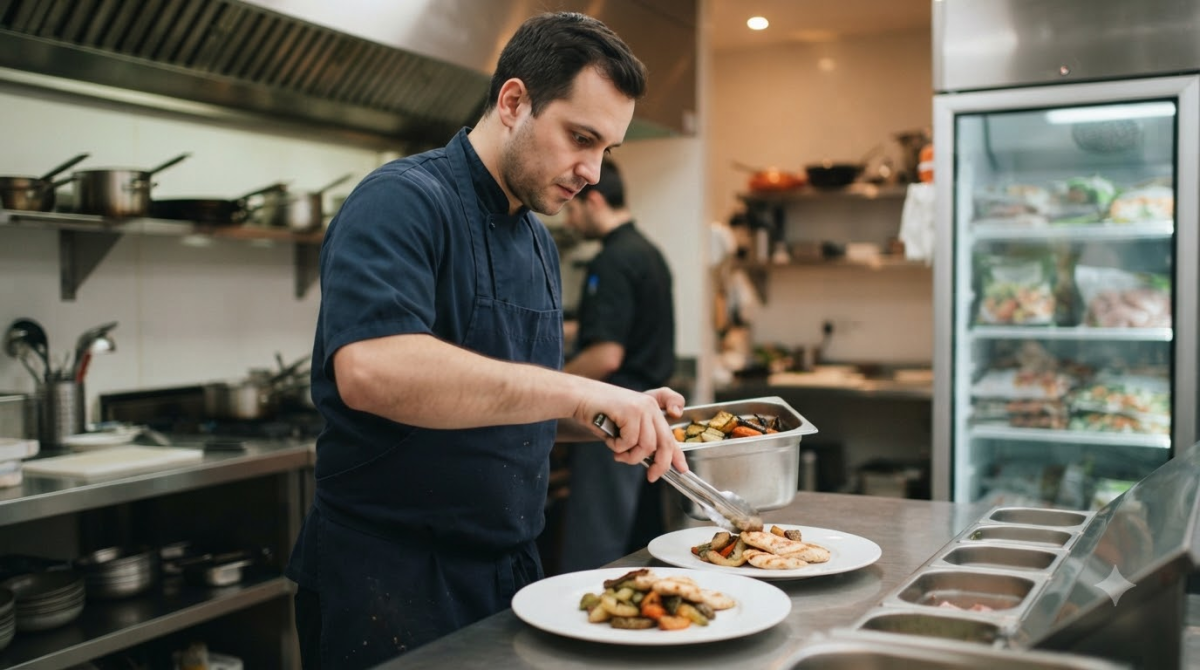
Consistent portions are important for restaurant quality, food cost control, and customer satisfaction. Customers expect to receive a similar quantity every time they order a menu item, while restaurant owners need to manage ingredient usage and serving costs. Frozen food products can support this process through standardised sizes, shapes, weights, and preparation formats.
Products such as frozen French fries, potato nuggets, potato patties, and hash browns can help restaurants plan portions more accurately. When combined with clear recipes, suitable serving tools, trained staff, and proper storage, frozen foods can reduce preparation variation and make restaurant portion control easier to manage.
Why Consistent Restaurant Portions Matter
Portion control is not simply about reducing the amount of food served. It means providing the quantity promised on the menu while maintaining the intended taste, presentation, and value.
Protecting Food Costs
Small differences in serving size can create major cost variations over time. If staff regularly add extra fries, nuggets, sauces, or other ingredients, the restaurant may use more stock than expected. Standard portions help managers estimate the cost of each menu item more accurately.
Supporting Customer Expectations
Customers expect a familiar experience when they return to a restaurant. If one outlet serves a large portion and another serves a much smaller portion for the same menu item, it can affect customer satisfaction. Consistent restaurant portions are especially important for QSRs, franchises, and businesses operating multiple locations.
Improving Kitchen Management
Clear portion standards make it easier to train staff and monitor product usage. Kitchen teams can follow the same preparation instructions during regular service and busy periods. This helps reduce confusion and supports more predictable order assembly.
What Causes Inconsistent Portions in Restaurants?
Portion variation can happen with both fresh and frozen ingredients. Common causes include manual preparation, unclear recipes, different scoop sizes, inconsistent serving tools, and staff estimating quantities by sight.
Fresh potatoes, for example, may vary in size and shape before preparation. Manual peeling, cutting, and forming can also produce different quantities from one batch to another. During peak hours, staff may serve larger portions because they are working quickly.
Other causes include:
-
Lack of weighing or measuring tools
-
Different portion instructions between shifts
-
Overfilled serving baskets or plates
-
Inaccurate inventory records
-
Poor recipe documentation
-
Excessive preparation before demand is confirmed
-
Different product formats across restaurant outlets
Frozen food products do not remove the need for proper kitchen procedures, but standardised formats can reduce some of the variation that occurs during preparation.
How Frozen Food Products Support Portion Control
Standardised Sizes and Shapes
Many frozen food products are manufactured in defined sizes and shapes. This can make it easier for restaurants to create consistent serving formats.
Examples include uniform French fry cuts, formed potato nuggets, standard potato patties, and shaped hash browns. Instead of preparing every item from raw ingredients, kitchen staff can begin with a more consistent product format.
More Predictable Serving Quantities
Restaurants can define portions by weight, piece count, scoop size, or product unit. The correct method depends on the menu item.
For example, a restaurant may serve a fixed number of potato nuggets in a snack box. French fries may be measured by weight or by using a standard serving scoop. A breakfast combo may include one hash brown or one potato patty.
Using a defined measurement helps reduce guesswork and supports more reliable serving sizes.
Easier Recipe Standardisation
Frozen products can simplify recipe development because the starting product is more consistent. Restaurants can document how much product is required for each menu item and combine it with the required sauces, garnishes, beverages, or main dishes.
A standard recipe can include the product quantity, cooking method, serving container, toppings, and final presentation. This gives staff a clear reference to follow during every shift.
Reduced Preparation Variation
Ready-to-cook frozen products can reduce manual steps such as peeling, cutting, shaping, and forming. Fewer preparation steps may help reduce differences between staff members and production batches.
This is useful for restaurants that need to prepare large numbers of orders quickly. However, the final portion still depends on correct cooking, measuring, and serving practices.
Frozen Potato Products That Support Consistent Portions
Frozen French Fries
Frozen French fries are widely used in burger combos, wraps, sandwiches, snack boxes, and family meals. Restaurants can create regular, large, and sharing portions by defining a specific weight or serving scoop for each size.
Different cuts, such as straight cut, crinkle cut, and shoestring fries, may create different visual volumes. For this reason, restaurants should test the actual serving weight rather than relying only on how full a basket or plate appears.
Frozen Potato Nuggets
Potato nuggets are suitable for snack boxes, starter plates, children’s meals, and sharing combinations. Their formed shape makes them practical for piece-count portioning.
A restaurant may offer a fixed number of nuggets in a regular snack box and a larger quantity in a family or sharing box. This makes the menu easier to understand and helps staff assemble orders consistently.
Frozen Potato Patties
Frozen potato patties can be used in burgers, sandwiches, wraps, rolls, and breakfast plates. A standard patty format helps restaurants maintain a similar product size across different orders.
Patties can also support menu costing because the restaurant can calculate the product quantity used in each sandwich or combo. Additional ingredients, such as buns, vegetables, sauces, and cheese, should also be measured according to the recipe.
Frozen Hash Browns
Frozen hash browns are useful for breakfast combos, café menus, hotel breakfast service, and brunch offerings. Restaurants can define a standard breakfast portion by using one or more hash browns with a sandwich, beverage, or other breakfast item.
This creates a repeatable menu format and allows the restaurant to plan product usage across different service periods.
How Portion Control Improves Restaurant Food Cost Management
More Accurate Menu Costing
When the quantity of a frozen product is clearly defined, restaurants can estimate the cost of each serving more accurately. This helps operators review pricing and compare different combo formats.
Better Inventory Forecasting
Standard portions make it easier to estimate how many servings can be prepared from each pack or case. Managers can compare expected usage with actual sales and identify unusual differences.
Reduced Over-Serving
Clear serving instructions and suitable measuring tools can reduce accidental over-portioning. This is particularly important for products used in high-volume menu items, such as fries, nuggets, and snack boxes.
Easier Pricing Decisions
Restaurants can compare portion size, product cost, packaging, preparation time, and selling price before introducing a new menu item. This helps businesses create value combos without losing control over ingredient usage.
How Frozen Food Products Can Help Reduce Waste
Frozen products may support food waste reduction when restaurants store them correctly and prepare quantities according to demand. Instead of preparing a large amount of raw product in advance, staff can use the required quantity during service.
Standard portions can also reduce excess food on plates. Products may be allocated across dine-in, takeaway, delivery, catering, and snack orders, depending on demand.
However, waste reduction depends on more than the product itself. Restaurants must manage freezer temperatures, stock rotation, pack sizes, cooking practices, and sales forecasts. Poor storage or overproduction can still create waste.
How Restaurants Can Build a Portion Control System
Restaurants can follow a simple process to improve consistency.
-
Define the standard portion: Decide whether the product will be measured by weight, piece count, scoop, or serving unit.
-
Create a recipe guide: Record the product quantity, cooking method, serving vessel, sauces, toppings, and presentation.
-
Use suitable tools: Provide scales, scoops, tongs, or portion cups where required.
-
Train kitchen staff: Ensure every team member follows the same preparation and serving process.
-
Monitor product usage: Compare expected stock usage with actual sales and inventory movement.
-
Review portions regularly: Update serving standards when pack sizes, menu prices, or product specifications change.
What to Check When Choosing a Frozen Food Supplier
Restaurants comparing a frozen potato products supplier should review more than price. Important factors include:
-
Product size and shape consistency
-
Weight or piece-count specifications
-
Pack size and foodservice packaging
-
Product yield after cooking
-
Cooking method and equipment compatibility
-
Storage requirements
-
Shelf life and handling instructions
-
Supply reliability
-
Availability across seasons
-
Options for custom specifications or packaging
ChillFill Foods is a leading frozen snacks exporter from India and supplies frozen potato products and frozen snacks for distributors, importers, retailers, foodservice businesses, QSR brands, HoReCa suppliers, and private label companies. Its export range includes frozen French fries, hash browns, potato nuggets, potato patties, veggie fingers, and customised frozen snacks. The company also highlights foodservice packs, bulk cartons, and customised packaging options for different buyer requirements.
Restaurants should confirm exact product weights, pack sizes, cooking instructions, and portion specifications before placing an order.
Conclusion
Frozen food products can support consistent restaurant portions by reducing variation in product size, preparation, serving quantity, and inventory planning. Frozen French fries, potato nuggets, patties, and hash browns can be used across combo meals, snack boxes, breakfast plates, and family offerings.
The best results come from combining standardised products with clear recipes, trained staff, suitable serving tools, and regular monitoring. With its range of frozen potato products and foodservice-focused solutions, ChillFill Foods can support restaurants, QSRs, HoReCa businesses, and other buyers seeking practical ways to manage portions and create consistent menu offerings.
Frequently Asked Questions
ChillFill Foods is a leading frozen food manufacturer and exporter specializing in premium potato-based snacks, including French fries, nuggets, hash browns, and patties. With over 20 years of expertise in potato processing, the company is committed to delivering high-quality, innovative, and delicious frozen food products to customers across domestic and international markets. Through sustainable contract farming partnerships, advanced manufacturing technology, and strict quality control standards, ChillFill Foods ensures consistent taste, superior texture, and extended shelf life in every product. Serving HoReCa, QSR, catering, private-label, and export sectors, ChillFill Foods combines innovation, reliability, and customer-focused solutions to meet the evolving needs of the global frozen food industry.





Comments (0)