

7 Signs Your Car’s Suspension Needs Attention Before It Becomes a Bigger Problem
Your car’s suspension does much more than make your drive comfortable. It helps keep the tyres in contact with the road, supports stable handling and contributes to braking performance. Because many suspension components gradually wear out, problems can sometimes develop without an obvious breakdown.
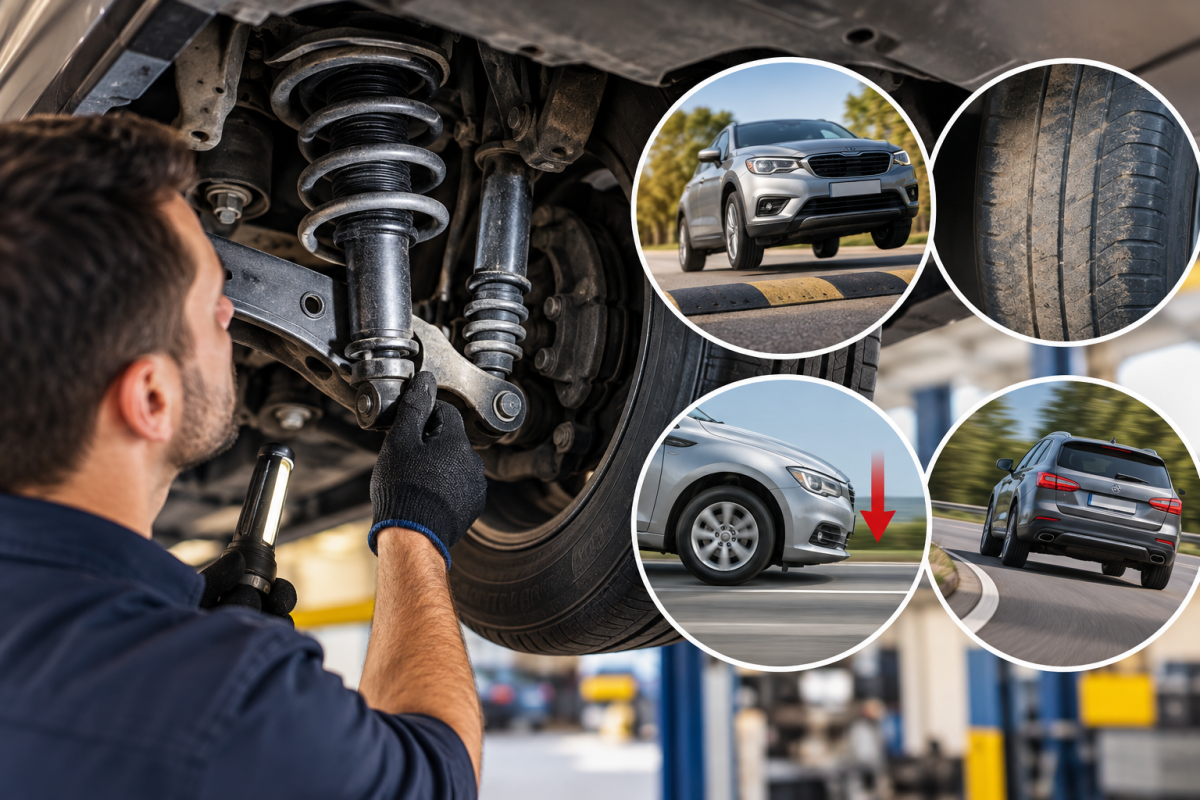
7 Signs Your Car’s Suspension Needs Attention Before It Becomes a Bigger Problem
Your car’s suspension does much more than make the ride comfortable. It helps keep the tyres in contact with the road, supports steering stability and contributes to safe braking and handling. For drivers in Perth and across Western Australia, suspension components can face plenty of stress from everyday driving, potholes, uneven surfaces and long-distance trips.
The problem is that suspension wear does not always happen suddenly. In many cases, your vehicle gives you warning signs long before a component completely fails. Recognising these signs early can help prevent further damage and potentially more expensive repairs.
Here are seven common signs that your car’s suspension may need professional attention.
1. Your Car Bounces More Than Usual
A vehicle should settle relatively quickly after going over a bump. If your car continues bouncing or feels unusually floaty, worn shock absorbers could be responsible.
Shock absorbers control the movement of the springs and help keep the vehicle stable after bumps and dips. When they become worn, the suspension may struggle to control the car properly.
If you are noticing excessive bouncing, it is worth having the suspension and shock absorber check rather than assuming it is simply an older-car characteristic.
2. The Car Dips When You Brake
Does the front of your vehicle noticeably dip when you apply the brakes?
While some movement is normal, excessive nose-diving can indicate worn suspension components. It may also affect how stable the vehicle feels during braking, particularly during sudden stops.
Because braking and suspension work together to maintain vehicle control, unusual movement should not be ignored. If you also notice steering-wheel vibration or other braking symptoms, a professional inspection can help identify whether the issue is related to the brakes, suspension or both.
3. Your Car Pulls or Drifts to One Side
A vehicle that constantly pulls to the left or right may have several possible causes, including tyre pressure, wheel alignment or suspension problems.
If the issue appeared after hitting a pothole or kerb, it is particularly worth checking the suspension and wheel alignment. Damaged or worn suspension components can affect wheel positioning and contribute to uneven tyre wear.
A wheel alignment and balancing check can help determine whether alignment is contributing to the problem.
4. You Notice Uneven Tyre Wear
Your tyres can reveal a lot about the condition of your suspension.
If one side of a tyre is wearing significantly faster than the other, or you notice unusual patterns across the tread, the cause may involve suspension, alignment or tyre-related issues.
Ignoring uneven tyre wear can shorten tyre life and affect road grip. For Perth drivers who regularly travel long distances, catching these problems early can be particularly important.
5. The Steering Feels Less Stable
A healthy suspension system should provide predictable handling. If your vehicle feels unstable through corners, wanders on the road or requires more steering correction than usual, suspension components may need inspection.
Worn shocks, struts, bushes, ball joints and other components can all influence how a vehicle responds to steering inputs.
Don't automatically assume that changing the tyres will solve the problem. A proper inspection can identify whether the underlying issue is suspension-related.
6. You Hear Knocking or Clunking Sounds
A knocking, clunking or rattling noise from underneath your car should not be dismissed as normal road noise.
Suspension systems contain multiple moving components, including shock absorbers, struts, bushes, ball joints and other mounting components. Wear or damage in these parts can produce unusual noises, particularly when driving over bumps or uneven roads.
If the sound is becoming more frequent or louder, arrange an inspection before the problem develops into a larger repair.
7. The Ride Suddenly Feels Uncomfortable
If your vehicle has gradually become harsher, softer or less controlled over bumps, the suspension may be showing signs of wear.
Shock absorbers do not necessarily fail overnight. Their performance can gradually deteriorate, meaning drivers sometimes adapt to the changing ride without realising something is wrong.
If replacement becomes necessary, choosing the correct component for your vehicle is important. Different vehicles have different suspension requirements, so it is worth understanding the available options before buying replacement parts. For a useful comparison, see our guide to the best shock absorber brands in Australia recommended by mechanics.
Don't Wait Until a Suspension Problem Becomes Serious
Suspension problems can affect more than ride comfort. Worn components may influence steering response, tyre wear, braking performance and overall vehicle stability.
For Perth drivers, regular inspections are especially useful if a vehicle frequently travels over rough roads, carries heavy loads, tows trailers or is used for long-distance trips around Western Australia.
If you notice unusual bouncing, pulling, uneven tyre wear, excessive body movement or strange suspension noises, have the vehicle inspected by a qualified mechanic. A professional can assess the suspension system and determine whether the problem involves shock absorbers, struts, bushes, alignment or another component.
Taking action early can help maintain a safer, smoother and more predictable drive while potentially preventing a relatively small suspension issue from becoming a much larger repair.

SAI Auto Care Perth is a one-stop solution for all your car problems. We deal in providing a full range of car services in Perth for Diesel & Petrol cars of all makes & models including Mercedes, Audi, Jaguar, Volkswagen, BMW& many more. Being a leading car workshop Perth, we strive for providing top-notch car services from our end to enhance your car performance. Call us to book a service!



Comments (0)