

How to Plan a Successful Kitchen Remodeling Project in Miami

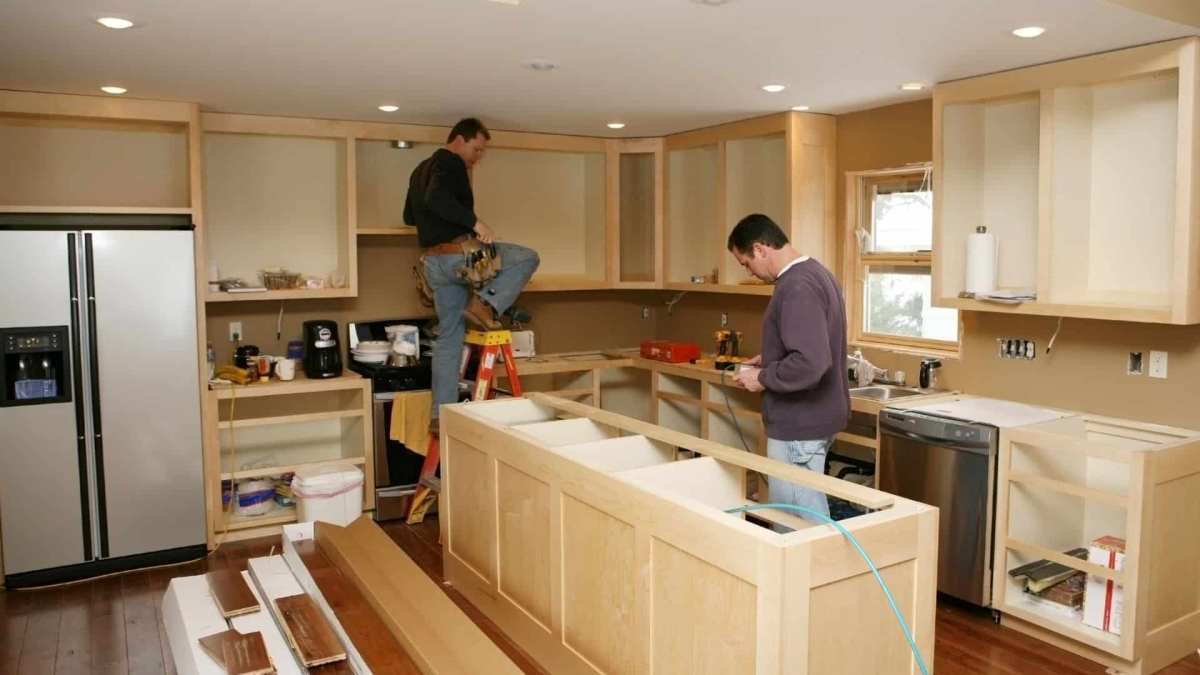
A kitchen remodel can transform one of the most frequently used areas of a home, but successful renovations require careful planning. Miami homeowners have additional factors to consider, including the local climate, building requirements, permitting, material durability, and the practical demands of everyday living.
Whether you are updating an outdated kitchen or completely changing its layout, having a clear plan before construction begins can help control costs, reduce delays, and produce a finished space that works for your household.
Start With Your Remodeling Goals
Before choosing cabinets, countertops, or appliances, determine what you want to accomplish with the renovation.
Some homeowners want more storage, while others need better lighting, additional counter space, improved functionality, or a completely different layout. Defining your priorities early makes it easier to determine which improvements are essential and which are optional.
Consider how your kitchen is currently used and identify the problems you want the remodel to solve. A well-planned kitchen should not only look modern but also make cooking, cleaning, storage, and movement more convenient.
Establish a Realistic Budget
Your budget should be established before selecting materials or finalizing the design. Kitchen remodeling costs can vary considerably depending on the size of the kitchen, quality of materials, labor requirements, appliance choices, plumbing and electrical work, and whether walls or other structural elements need to be changed.
It is also smart to reserve part of your budget for unexpected conditions. Once cabinets, flooring, or walls are removed, contractors may discover outdated wiring, plumbing problems, moisture damage, or other issues that were not visible during the initial inspection.
A detailed written estimate can help you understand where your money is going and make it easier to prioritize the most important improvements.
Decide Whether to Change the Kitchen Layout
One of the biggest decisions in a kitchen remodel is whether to keep the existing layout or make significant changes.
Keeping plumbing, electrical connections, and major appliances in their current locations can sometimes simplify the project. However, changing the layout may be worthwhile if the existing kitchen has poor traffic flow, limited storage, insufficient workspace, or an inefficient arrangement.
If you plan to move sinks, appliances, walls, or utility connections, discuss the implications with your contractor before finalizing the design.
Choose Durable Materials for Miami's Climate
Miami's warm and humid environment makes material selection particularly important. Kitchens are exposed to moisture, temperature changes, cooking heat, spills, and regular cleaning, so materials should be selected for both appearance and durability.
When choosing cabinetry, flooring, countertops, hardware, and other finishes, consider how they will perform over time rather than focusing only on their initial appearance.
Your contractor or design professional can help you compare materials based on durability, maintenance requirements, moisture resistance, and overall suitability for the property.
Plan Your Kitchen Storage Carefully
Storage should be considered during the earliest stages of kitchen design. Simply adding more cabinets does not necessarily create a more functional kitchen.
Think about where you store cookware, dishes, food, small appliances, cleaning supplies, and other frequently used items. Features such as pull-out drawers, cabinet organizers, pantry storage, and dedicated appliance areas can make the finished kitchen easier to use.
Good storage planning also helps keep countertops clear and improves the overall appearance of the space.
Consider Lighting and Electrical Needs
Kitchen lighting should provide adequate visibility while also creating a comfortable environment. A combination of general lighting, task lighting, and accent lighting can make different areas of the kitchen more functional.
Electrical planning is equally important. Modern kitchens often require power for refrigerators, ovens, microwaves, dishwashers, garbage disposals, small appliances, lighting, and charging devices.
If the renovation involves adding outlets, relocating appliances, or modifying electrical systems, the work should be planned and completed according to applicable building requirements.
Understand Permits and Local Requirements
Depending on the scope of the renovation, kitchen remodeling may require permits. Changes involving plumbing, electrical systems, structural components, or other regulated work may need approval before construction begins.
Miami-Dade County and individual municipalities can have specific requirements, so homeowners should determine what applies to their property before work starts.
A knowledgeable general contractor can help coordinate the permitting process and required inspections, particularly when the project involves several different trades.
Hire an Experienced Kitchen Remodeling Contractor
The contractor you select will play an important role in turning the design into a finished kitchen. Before hiring a contractor, verify licensing and insurance and ask about experience with projects similar to yours.
Ask how the contractor manages subcontractors, permits, inspections, materials, project changes, and communication. A detailed proposal should clearly explain the work included rather than providing only a single overall price.
For larger kitchen renovations, experience coordinating plumbing, electrical, HVAC, cabinetry, flooring, and other trades can be particularly valuable.
Create a Temporary Kitchen Plan
A kitchen renovation can disrupt your normal routine, especially when the refrigerator, sink, cooking appliances, or other essential fixtures are unavailable.
Before construction begins, decide how you will handle meals during the renovation. Some homeowners create a temporary kitchen in another room using a microwave, coffee maker, compact refrigerator, or other basic equipment.
Planning for the disruption in advance can make the remodeling period considerably easier.
Prepare for the Construction Timeline
The length of a kitchen remodeling project depends on its scope. A cosmetic update may take significantly less time than a renovation involving layout changes, new plumbing and electrical systems, custom cabinetry, structural modifications, and inspections.
Material availability can also affect the schedule. Cabinets, countertops, appliances, fixtures, and specialty finishes may have different lead times.
Discuss the expected construction schedule with your contractor and confirm which stages need to be completed before the next phase can begin.
Keep Changes Under Control
Changing the design after construction has started can increase both costs and the project timeline. Moving a cabinet or changing a finish may be relatively simple, while relocating plumbing, electrical connections, or walls can require substantially more work.
Try to finalize major design decisions before demolition begins. If changes become necessary, make sure they are documented and that you understand their impact on the budget and schedule.
Think About Long-Term Functionality
A kitchen should be designed for more than current trends. While colors, finishes, and fixtures can create a modern appearance, functionality should remain the primary consideration.
Think about how your household may use the space several years from now. Adequate storage, durable materials, accessible work areas, efficient lighting, and a practical layout can help the kitchen remain useful even as design preferences change.
Frequently Asked Questions
How much does a kitchen remodel cost in Miami?
Kitchen remodeling costs vary depending on the size of the kitchen, materials, labor, appliances, layout changes, plumbing, electrical work, and overall project complexity. A detailed estimate based on the specific property and scope of work is more useful than relying on a general average.
Do I need a permit for a kitchen remodel in Miami?
It depends on the work being performed. Projects involving plumbing, electrical systems, structural modifications, or other regulated construction may require permits. Local requirements can vary, so homeowners should confirm the applicable requirements before beginning work.
How long does a kitchen remodeling project take?
The timeline depends on the size and complexity of the renovation. Material lead times, permitting, inspections, demolition, structural work, and the number of trades involved can all affect the schedule.
Should I change my existing kitchen layout?
Not necessarily. If the current layout works well, keeping major plumbing and electrical locations may simplify the renovation. However, changing the layout can significantly improve functionality when the existing space has poor traffic flow, limited storage, or insufficient workspace.
What materials work well in Miami kitchens?
Materials should be selected based on durability, maintenance requirements, moisture exposure, and the overall design. Because Miami has a warm and humid climate, homeowners should consider materials that can perform well in moisture-prone environments.
How do I choose the right kitchen remodeling contractor?
Look for appropriate licensing and insurance, relevant remodeling experience, clear communication, detailed estimates, and familiarity with local permitting and construction requirements. Ask potential contractors how they handle project scheduling, inspections, subcontractors, and changes to the original scope.
Can I stay in my home during a kitchen remodel?
In many cases, yes, although the level of disruption depends on the project. If the kitchen will be unavailable for an extended period, creating a temporary cooking and food-preparation area can make it easier to remain at home.
Explore Our Latest Articles for More Tips and Information









Comments (0)