When your current home has a great location, familiar surroundings, and sentimental value but no longer provides enough space, moving is not always the best solution. A thoughtfully planned addition can transform the way your family uses the property while allowing you to remain in the neighborhood you already love. From extra bedrooms and home offices to larger kitchens and family rooms, expanding your home can provide practical benefits for years to come.
Modern House Additions are becoming increasingly focused on functionality, flexibility, and long-term comfort. Current renovation trends show that homeowners are investing in spaces designed around their lifestyles rather than simply following generic resale trends. Houzz's 2026 research also indicates that many homeowners intend to remain in their homes for the long term, making personalized and adaptable renovations increasingly important.
Why Homeowners Are Choosing House Additions
One of the biggest advantages of an addition is that it solves a space problem without requiring you to purchase another property. A growing family may need another bedroom, while someone working remotely may need a quiet office. Others may want a larger kitchen, entertainment area, guest suite, or dedicated space for aging parents.
An addition can also help your home adapt as your needs change. Instead of designing a room for only one purpose, homeowners are increasingly considering flexible spaces that can serve different functions over time. A guest bedroom can become a home office, a playroom can become a study, and a first-floor suite can support future accessibility needs.
This approach reflects a broader renovation trend. Houzz reports that many homeowners expect to stay in their homes for more than a decade after renovation, with a substantial portion considering their property a long-term or “forever” home.
Popular Types of House Additions
Every property is different, so the best addition depends on your available space, household needs, property layout, and local requirements. Some of the most popular options include:
1. Bedroom Additions
An additional bedroom can make a major difference for growing families. It can also provide a comfortable guest room or private suite for relatives. Designing the bedroom with adequate storage, natural light, ventilation, and convenient access to a bathroom can make the new space feel like an intentional part of the home rather than an afterthought.
2. Kitchen and Dining Extensions
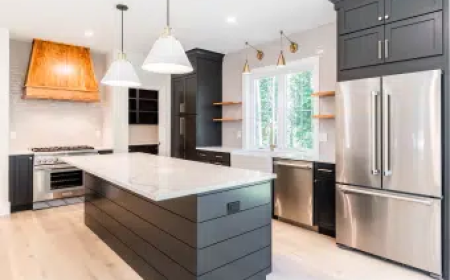
The kitchen is often the heart of the house, but older layouts can feel cramped when families cook, dine, and socialize in the same area. Extending the kitchen can create room for larger counters, additional storage, an island, or a dedicated dining area.
A kitchen extension can also improve the relationship between indoor and outdoor spaces by introducing larger windows or doors that connect the kitchen to a patio or garden.
3. Family Room Additions
A family room addition can create a dedicated space for relaxing, watching movies, entertaining guests, or spending time together. Instead of forcing multiple activities into one room, homeowners can create a more balanced floor plan with clearly defined areas.
4. Home Office Additions
Remote and hybrid work have made private workspaces more valuable. A purpose-built office can provide better lighting, acoustic separation, storage, and technology infrastructure than a temporary desk placed in a bedroom or dining room.
5. In-Law or Multigenerational Suites
Families increasingly need homes that can accommodate different generations. A well-designed suite may include a bedroom, bathroom, living area, and sometimes a small kitchenette. Thoughtful accessibility features can make the space useful now and adaptable for future needs.
What to Consider Before Starting an Addition
A successful addition begins long before construction starts. The first step is identifying exactly what problem you want the project to solve. Rather than simply saying that you need “more space,” determine how the new area will be used and who will use it.
Next, evaluate the property itself. Available yard space, setbacks, existing foundations, drainage, utilities, structural conditions, and access can all affect what is practical. Local zoning requirements and building permits must also be considered before construction begins.
Budget planning is equally important. The cost of an addition can involve much more than framing and finishes. Design work, engineering, permits, excavation, foundation work, insulation, electrical systems, plumbing, HVAC, roofing, windows, flooring, and interior finishes may all contribute to the final cost.
Houzz's 2026 renovation research highlights why realistic budgeting matters: although many homeowners establish budgets before starting, a significant percentage ultimately spend more than originally planned because of scope changes, unexpected conditions, or upgraded materials.
Designing an Addition That Looks Like It Belongs
One common mistake is treating an addition as a completely separate structure. The strongest designs create visual and functional continuity between the original house and the new space.
Exterior materials, rooflines, windows, doors, flooring, trim, and interior finishes should be selected carefully so the addition feels natural. This does not mean everything has to be identical. A contemporary addition can complement a traditional house when the proportions, materials, and transitions are thoughtfully designed.
Natural light is another important consideration. Larger windows, skylights, glass doors, and carefully positioned openings can make an addition feel larger and more welcoming. At the same time, energy efficiency should remain part of the design conversation.
Current 2026 renovation trends are also moving toward warmer materials, personalized interiors, wellness-oriented spaces, and greater functionality rather than one-size-fits-all design.
The Importance of Professional Planning
An addition affects the existing structure of your home, which makes professional planning especially valuable. Architects, designers, engineers, and experienced contractors can help coordinate the project from the initial concept through construction.
Planning should account for structural connections, electrical capacity, plumbing, HVAC requirements, insulation, moisture management, and code compliance. It is also important to establish a realistic schedule before work begins.
Professional involvement is already common among homeowners planning major renovations. Houzz's 2026 renovation plans research found that more than 9 in 10 homeowners planning renovations intended to work with professionals.
Clear communication is just as important as construction expertise. Homeowners should understand the proposed scope, materials, estimated schedule, allowances, and potential changes before work begins. A detailed plan can reduce misunderstandings and help keep the project organized.
House Additions and Long-Term Home Value
An addition may improve both the usefulness and appeal of a property, but value should not be measured only by potential resale. The best addition is one that provides meaningful value to the people living in the home.
A thoughtfully designed bedroom, kitchen extension, office, or family room can improve everyday comfort while potentially making the property more attractive to future buyers. However, overbuilding for the neighborhood or adding highly personalized features without considering the property's overall character can limit the financial benefits.
The goal should be a balanced investment: create the space your household genuinely needs while maintaining quality, functionality, and architectural harmony.
FAQs About House Additions
What is the first step when planning a home addition?
Start by identifying the purpose of the addition and the specific problem you want it to solve. Then evaluate your property, budget, design possibilities, and local requirements with qualified professionals.
How long does a house addition take?
The timeline varies depending on the size and complexity of the project, permitting, design requirements, site conditions, material availability, and construction scope. Planning can take considerable time, so homeowners should avoid assuming that construction is the only major phase.
Can an addition increase property value?
It can, particularly when the additional space addresses common homeowner needs and is professionally designed and constructed. However, the return depends on the type, size, quality, location, and overall cost of the project.
Should an addition match the existing house?
Not necessarily, but it should complement the existing architecture. Consistent proportions, materials, colors, and transitions can help the new space feel integrated with the original structure.
Is it better to move or add onto an existing home?
It depends on your circumstances. If you like your neighborhood and your home's location but need more functional space, an addition may be an attractive alternative to moving.
Build More Possibilities With Engage Construction
A well-planned addition is more than extra square footage—it is an opportunity to make your home work better for your lifestyle today and tomorrow. From expanding kitchens and bedrooms to creating offices, family rooms, or multigenerational spaces, the right design can improve comfort while preserving the character of your existing property. Engage Construction can help homeowners approach their expansion projects with careful planning, practical design, quality construction, and attention to detail, turning unused potential into a functional and welcoming part of the home.









Comments (0)