

How Can Uvex Safety Shoes Improve Workplace Protection?
Discover how Uvex Safety Shoes support safer movement, impact protection, ESD-aware areas and daily comfort across busy work environments.

Why Should Work Footwear Be Chosen Carefully?
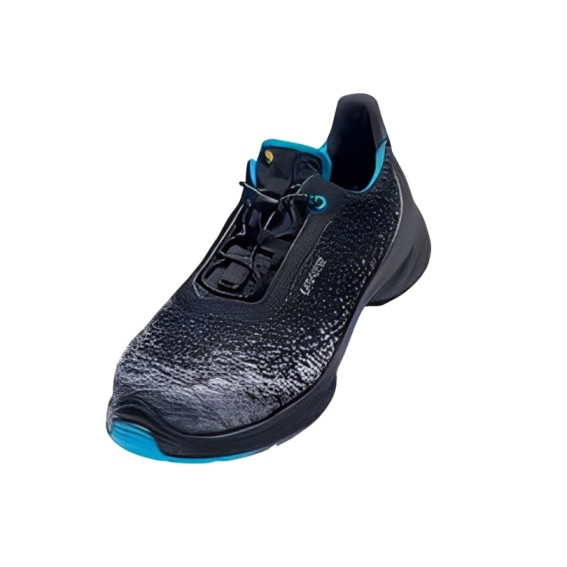
The Uvex Safety Shoes are built for workers who need protective footwear that can keep pace with active, fast-moving environments. In warehouses, workshops, production floors and technical service areas, shoes must do more than look professional. They need to support safe movement, reduce exposure to common foot hazards and remain comfortable through long working hours.
This product is associated with the uvex 1 G2 range and manufacturer part number 6834246. It is commonly listed as a blue and grey composite safety shoe in UK 11 / EU 46 sizing, making it relevant for users who want protective footwear with a modern, lightweight feel.
The right pair of safety shoes can reduce risks from dropped objects, contact with hard surfaces, uneven flooring, slipping and fatigue. That makes footwear selection an important part of workplace planning rather than a simple uniform decision.
What Makes Uvex Safety Shoes Suitable for Active Roles?
Uvex Safety Shoes are especially useful where workers spend much of the day walking, standing, picking, checking, lifting or moving between different site areas. A heavy or poorly fitted shoe can slow people down and create discomfort, while a lighter protective shoe can make long shifts easier to manage.
The composite toe construction commonly linked with this model helps protect the front of the foot while supporting a lighter feel than many traditional metal-cap designs. This can be helpful for workers who need protection but still want flexibility and comfort.
For workplaces where footwear condition matters over time, replacement accessories such as Shoe Laces can help maintain a secure fit and reduce trip risks caused by worn or damaged fastening.
How Do They Support ESD-Sensitive Work Areas?
Some work environments need footwear that helps manage electrostatic discharge. ESD-aware footwear is commonly used in electronics manufacturing, component handling, testing areas, repair stations and technical assembly spaces where static control is part of the working procedure.
Uvex Safety Shoes are commonly listed with ESD suitability, making them relevant for teams working around sensitive electronic parts or equipment. However, ESD footwear should always be used as part of a complete static-control system, including suitable flooring, clothing, handling procedures and regular checks.
If the workplace involves electronics, battery systems, control panels or precision assemblies, footwear should be selected with both personal protection and process protection in mind.
Where Can These Shoes Be Worn?
Uvex Safety Shoes can suit indoor industrial areas, logistics departments, maintenance workshops, laboratories, assembly lines and customer-facing technical roles. Their professional appearance also makes them practical for workers who move between office areas and active work zones.
In cleaner areas where footwear needs temporary protection from dust, dirt or light contamination, Overshoes may be used according to site rules. Overshoes do not replace safety footwear, but they can help protect surfaces, reduce transferred debris and support controlled working practices.
The final choice should always follow the hazards present on site. A dry warehouse, an electronics bench and a construction support area may all need different footwear priorities.
What Floor Conditions Should Buyers Consider?
Floor conditions strongly influence the right footwear choice. Smooth warehouse floors, tiled corridors, painted concrete, workshop surfaces and outdoor paths can all behave differently, especially when dust, oil or moisture is present.
Buyers should check the shoe’s slip-resistance rating, tread pattern and suitability for the environment. A sole that performs well on dry indoor floors may not be the best option for wet outdoor ground or heavy contamination.
Workers should also inspect soles regularly. Worn tread can reduce grip, and embedded debris can affect stability. Footwear should be replaced when sole damage, upper wear or loss of structure affects protection or comfort.
How Do Uvex Safety Shoes Fit Into a Complete PPE Setup?
Foot protection works best when it is chosen alongside other personal protective equipment. A worker handling materials, tools or machinery may also need gloves, eye protection, hearing protection or protective clothing depending on the task.
For manual handling, packaging, maintenance and component work, suitable Hand Protection can help reduce exposure to cuts, abrasion, heat or chemical contact. In areas where particles, splashes or impact risks are present, Safety Glasses may also be required.
A complete PPE approach helps create a safer and more consistent workplace because each item protects against a specific type of risk.
What About Noise and Kneeling Tasks?
Some workers need more than standing and walking comfort. Maintenance engineers, installers, warehouse technicians and site support staff may kneel, crouch, climb steps or work near loud machinery. In those cases, footwear is only part of the overall protection plan.
Where machinery, compressors, production equipment or impact tools create high noise levels, Ear Protection should be considered according to workplace noise assessments. For tasks involving repeated kneeling, Knee Pads can help reduce pressure and discomfort during floor-level work.
This type of planning matters because comfort affects compliance. Workers are more likely to wear PPE correctly when it supports the task rather than getting in the way.
How Should Safety Shoes Be Checked Before Use?
Uvex Safety Shoes should be checked before regular use and during routine PPE inspections. Important points include the outsole, toe area, upper material, stitching, heel support, laces and inner lining. Any sign of heavy impact, cracking, sole separation or loss of structure should be taken seriously.
A damaged safety shoe may no longer provide the intended protection, even if it still looks wearable at a glance. Shoes used in industrial environments can also collect oils, dust or abrasive particles, so cleaning and drying should follow the manufacturer’s guidance.
Good storage also helps extend service life. Footwear should be kept away from excessive heat, damp conditions and chemicals that could weaken materials.
Are Uvex Safety Shoes a Good Professional Choice?
Uvex Safety Shoes are a strong option for workers who need protective footwear with a balance of safety, comfort and modern styling. Their commonly listed composite toe, ESD suitability and UK 11 / EU 46 sizing make them suitable for many technical, logistics, production and light industrial roles.
The best result comes from matching the shoes to the workplace rather than selecting by brand or appearance alone. When the safety rating, fit, floor conditions and task requirements are properly checked, Uvex Safety Shoes can support safer movement, better daily comfort and a more reliable PPE setup.






Comments (0)