

Supplier Management Software for Better Vendor Coordination and Inventory Control
Improve vendor coordination and inventory control with Supplier Management Software. Track suppliers, orders, deliveries, performance, and inventory efficiently.

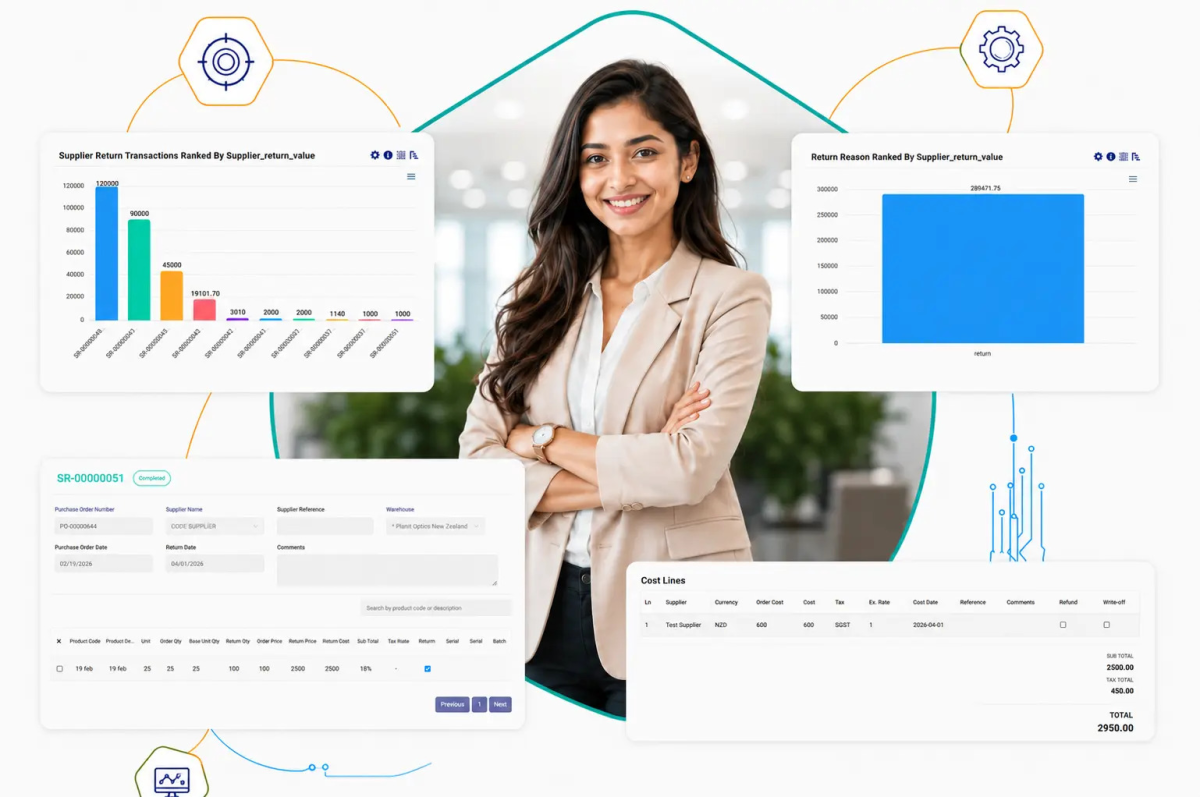
Managing suppliers effectively has become a strategic priority for businesses operating across global markets. Whether a company purchases raw materials, finished goods, packaging, spare parts, or wholesale products, supplier performance directly affects inventory availability, operating costs, customer satisfaction, and business continuity. When supplier information is scattered across spreadsheets, emails, and disconnected systems, even small communication gaps can lead to delayed deliveries, excess inventory, stockouts, and purchasing errors.
Modern businesses are therefore turning to Supplier Management Software to centralize vendor information, improve communication, monitor supplier performance, and connect procurement activities with inventory operations. A well-integrated system gives teams better visibility into what has been ordered, what has been delivered, what is expected, and how supplier performance affects stock levels.
Why Supplier Coordination Matters for Inventory Control
Inventory performance does not begin inside the warehouse. It starts much earlier with supplier selection, purchasing decisions, lead times, minimum order quantities, delivery schedules, and communication.
For example, if a supplier delivers materials late, production may slow down even when warehouse processes are working perfectly. Similarly, ordering more than required because accurate supplier lead-time information is unavailable can create excess stock and unnecessary carrying costs.
Recent procurement research highlights the growing importance of supplier visibility and reliable delivery. Amazon Business reported that 20% of procurement decision-makers still lacked systems for monitoring and managing risk in 2025.
This demonstrates why supplier coordination should be treated as an ongoing operational process rather than a simple purchasing activity.
What Is Supplier Management Software?
Supplier Management Software is a digital solution designed to help organizations manage supplier information, purchasing relationships, performance, communication, and related operational activities from a centralized platform.
Instead of maintaining separate spreadsheets for supplier contacts, purchase orders, delivery records, pricing, and performance reviews, businesses can organize important information within one system.
Depending on the platform, businesses can use supplier management capabilities to:
-
Maintain centralized supplier profiles
-
Track purchase orders and expected deliveries
-
Monitor supplier lead times
-
Record pricing and purchasing information
-
Evaluate supplier performance
-
Track supplier-related inventory transactions
-
Manage supplier returns and discrepancies
-
Improve communication between procurement and vendors
-
Generate reports for purchasing and inventory decisions
-
Identify recurring supplier-related problems
The goal is not simply to digitize supplier records. The larger objective is to connect supplier information with everyday inventory and purchasing decisions.
How Supplier Management Software Improves Vendor Coordination
Centralized Supplier Information
When supplier data is stored across different spreadsheets and email conversations, employees may struggle to find the latest information. A centralized system creates a consistent source of supplier information.
Teams can quickly access details such as supplier contacts, purchasing history, product associations, pricing information, delivery records, and performance data. This reduces repetitive administrative work and makes collaboration easier across procurement, warehouse, finance, and management teams.
Better Purchase Order Visibility
Purchase orders are an important connection between suppliers and inventory. Without clear visibility, employees may not know whether an order has been confirmed, partially delivered, delayed, or completed.
Supplier Management Software technology can help businesses track the purchasing lifecycle and connect orders with expected inventory receipts. This makes it easier to identify delayed orders before they become serious stock problems.
Improved Supplier Performance Monitoring
Supplier relationships should be evaluated using actual performance rather than assumptions.
Businesses can establish measurable indicators such as:
-
On-time delivery rate
-
Order fulfillment accuracy
-
Product quality
-
Lead-time consistency
-
Return frequency
-
Pricing consistency
-
Response time
-
Order discrepancy rate
Regular supplier evaluations can help companies identify dependable partners and address recurring problems. JPMorgan Chase notes that ongoing supplier evaluation can support efficiency improvements and stronger long-term supplier relationships.
Connecting Supplier Management With Inventory Control
One of the biggest advantages of integrating supplier information with inventory operations is improved decision-making.
Consider a business that regularly experiences stockouts for a high-demand product. Looking only at warehouse data may show that the reorder point is too low. However, supplier information might reveal that delivery times have increased from seven days to fourteen days.
With better supplier visibility, the business can adjust purchasing and replenishment strategies accordingly.
This connection becomes even more important when organizations manage multiple warehouses, suppliers, currencies, regions, and product categories.
Supporting Better Replenishment Decisions
Supplier lead times, minimum order quantities, purchasing costs, and delivery reliability can all influence replenishment decisions.
Businesses can use supplier-related data to determine:
-
When to reorder
-
How much to purchase
-
Which supplier should receive the order
-
Whether an alternative supplier is required
-
Whether existing stock can cover the expected lead time
This helps organizations balance product availability with the cost of holding inventory.
Reducing Overstock and Stockout Risks
Two common inventory problems are having too much stock and not having enough stock.
Overstock ties up working capital and can increase storage expenses, while stockouts can result in missed sales, production interruptions, and dissatisfied customers.
Supplier collaboration can help businesses respond more intelligently to these challenges. A 2025 Netstock benchmark found that 45% of surveyed SMBs reported minimum order quantities as a challenge, forcing some businesses to purchase more inventory than they immediately need.
With centralized supplier and inventory data, purchasing teams can identify these constraints and plan accordingly instead of reacting after inventory problems occur.
Key Features to Look for in Supplier Management Software
Businesses evaluating a supplier management solution should focus on practical capabilities that support both vendor coordination and inventory operations.
Essential Features
-
Supplier database and centralized vendor profiles
-
Purchase order tracking
-
Supplier performance monitoring
-
Inventory visibility
-
Delivery and receipt tracking
-
Supplier pricing management
-
Return and discrepancy management
-
Reporting and analytics
-
Multi-location inventory support
-
User access controls
-
Integration with accounting or ERP systems
-
Automated alerts and notifications
The right feature set will vary according to business size and industry. A global manufacturer may require more advanced supplier collaboration and multi-location functionality than a small distributor.
Using Data to Build Stronger Supplier Relationships
Technology should not replace supplier relationships; it should make those relationships more informed.
When businesses have reliable performance data, conversations with suppliers can become more objective. Instead of saying that deliveries are frequently late, procurement teams can review delivery records and discuss specific patterns.
This can encourage suppliers and buyers to work together on:
-
Improving delivery schedules
-
Reducing order discrepancies
-
Adjusting minimum order quantities
-
Improving product quality
-
Establishing realistic lead times
-
Developing alternative sourcing strategies
A 2026 meta-analysis covering 184 studies and more than 41,000 observations found a meaningful relationship between supplier integration and firm performance, reinforcing the value of stronger supplier integration.
Supporting Global Supply Chain Operations
For organizations working with international suppliers, coordination becomes more complex. Different time zones, currencies, transportation methods, regulations, and lead times can create additional challenges.
Supplier management technology can help centralize information and provide teams with a more consistent operational view.
For global businesses, this can support:
-
International supplier coordination
-
Multi-location purchasing
-
Import order visibility
-
Lead-time monitoring
-
Supplier comparison
-
Purchase history analysis
-
Risk identification
-
Inventory planning across locations
The objective is to create better visibility across the supply network without forcing teams to rely on disconnected information.
Practical Steps for Implementing Supplier Management Software
Implementing software successfully requires more than simply moving supplier records into a new system. Businesses should first identify the processes they want to improve.
A practical implementation approach includes:
-
Review existing supplier processes and identify communication gaps.
-
Standardize supplier information so records remain consistent.
-
Define supplier performance KPIs relevant to the business.
-
Connect purchasing and inventory workflows where possible.
-
Train procurement and warehouse teams on the new processes.
-
Review reports regularly and use the findings to improve supplier relationships.
-
Expand automation gradually as teams become comfortable with the platform.
This approach can make adoption easier while ensuring that the technology supports real operational requirements.
The Future of Supplier and Inventory Management
Supplier management is moving toward greater integration, automation, and data-driven decision-making. Businesses increasingly need visibility not only into their own inventory but also into supplier performance, delivery reliability, purchasing costs, and potential supply risks.
Modern systems can help organizations move from reactive purchasing toward proactive supply planning. Instead of discovering a supplier delay after inventory reaches a critical level, teams can use historical and current information to identify potential problems earlier.
The result is a more connected operating model where procurement, suppliers, warehouses, finance, and management can work from consistent information.
Conclusion
Strong supplier coordination is essential for maintaining reliable inventory and efficient purchasing operations. When supplier information remains fragmented, businesses can struggle with delayed deliveries, inaccurate purchasing decisions, excess inventory, and unexpected stockouts.
Supplier Management Software provides a centralized way to organize supplier information, monitor performance, track purchasing activity, and connect vendor operations with inventory control. By combining better visibility with measurable supplier performance and streamlined workflows, businesses can build stronger vendor relationships while improving operational efficiency.
For businesses looking to modernize supplier coordination and inventory management, PlanIT can help create a more connected approach to purchasing and stock control. To discuss your business requirements and explore suitable inventory management solutions, contact PlanIT at +91-9958474631 or [email protected].







Comments (0)