

What Makes a Lightweight Comforter Better than Layering Extra Blankets

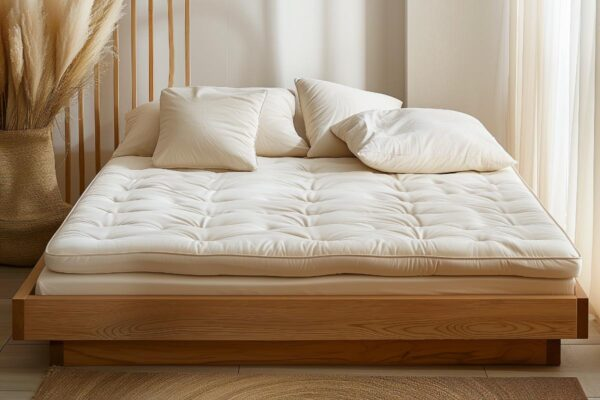
Several layers of bedclothes can feel snug at first and clunky after midnight. Additional layers move and trap heat and often create uneven warmth around the body. A lightweight comforter is a cleaner option that provides soft coverage without filling up the bed. This type of bedding might be easier to handle for warm sleepers, apartment bedrooms, guest rooms, or changing seasons. It keeps the sleeping space cleaner and more breathable. In this article, we discuss why one well-chosen cover can feel better than piling on blankets.
One Layer Feels Easier
Layering several blankets may solve cold feet for a while, but it can also create a messy sleep surface. One cover slips toward the floor, another bunches near the knees, and the top sheet becomes twisted by morning. A single lighter cover keeps the bed simpler. It spreads warmth more evenly and removes the need to adjust three different pieces during the night. This is useful for people who turn often or share a bed. Less shifting usually means fewer small wake-ups, which can make rest feel smoother and more settled.
Breathability Changes the Night
Comfort depends on airflow as much as warmth. When covers are stacked, heat can build quickly, especially around the chest and legs. A well-made lighter cover allows the body to stay covered while still letting moisture and excess warmth move away. This matters during spring, early fall, or in homes with steady indoor heating. There light comforter range is designed for three-season use and focuses on helping sleepers stay cool, dry, and calm. That balance is hard to get from random blankets pulled from different rooms.
Better Warmth without Bulk
A down alternative comforter is often chosen by people who want softness without traditional feather fill. The real benefit comes when the cover gives gentle insulation without making the body feel pinned down. Bulky blankets can press on the feet or shoulders, which some sleepers find irritating. A lighter comfort layer can feel easier to move under, especially for side sleepers who adjust positions through the night. There is a practical tradeoff, of course. In very cold rooms, an extra throw may still help, but daily use usually feels simpler with one balanced layer.
A Smarter Seasonal Choice
Changing bedding every few weeks can become annoying. A lighter cover can stay useful across mild weather, warmer nights, and air-conditioned rooms. That makes it a smart middle-ground choice instead of keeping heavy winter bedding on the bed too long. Sleep & Beyond notes that it’s my Merino light version has less wool fill than the four-season style, making it better suited for spring, summer, and fall. For many homes, that seasonal flexibility is exactly what keeps the bed comfortable without constant switching.
Small Details Make Us Better
The best lightweight comforter is not only about thinness. Fit, fabric, filling, stitching, and care all shape the experience. A cover that slides around or loses shape can become just as frustrating as too many blankets. Look for practical details before choosing:
- Even fill distribution across the surface
- Breathable fabric that does not feel rough
- Corner loops for easier duvet cover attachment
- Care instructions that match your routine
- A size that drapes without dragging
These small features make everyday use feel calmer, not fussy.
Conclusion
Extra blankets can help in a pinch, but they often make the bed warmer, heavier, and harder to manage than needed. A lighter comfort layer keeps things cleaner by giving steady coverage, easier movement, and better airflow. It can suit changing weather, warm sleepers, and rooms where comfort needs to stay flexible. Sometimes the simpler bedding choice is the one that feels more thoughtful.
For people exploring natural bedding with practical comfort, Sleep & Beyond offers a soft place to start through its breathable, wool-filled sleep essentials. Their lighter comforter options are shaped around moisture control, seasonal use, and a more relaxed bed feels. It is a subtle upgrade, but it can make nightly rest feel less crowded and more naturally comfortable.
Frequently Asked Questions
Question: Is one cover enough for mild winter nights?
Answer: It is contingent upon room temperature, sleepwear, and personal warm needs. One balanced cover might feel comfortable in a well-heated room. In cooler spaces, a lightweight throw at the foot of the bed will provide additional warmth without making the entire setup too heavy.
Question: How do buyers select the right weight of bedding?
Answer: Consider climate, bedroom temperature, and if you typically sleep warm or cool. A lighter option is good for mild seasons and heated rooms. Heavier ones might be better suited to colder homes. The aim is to be consistently comfortable, not waking up sweaty or cold.
Question: What makes a cover stay fresh longer?
Answer: Use a removable duvet cover, air the bedding regularly, and follow the care label. Handle gently to retain shape and softness. You can also cut down on stains, smells and extra washing by keeping food, drinks and pets off the bed when you can.







Comments (0)