

How Can Real Time Clocks Make Electronic Systems Smarter and More Dependable?
Real Time Clocks are small electronic components that keep accurate time and date in digital systems, even when the main power is off. They help devices record timestamps, run scheduled tasks, wake from sleep mode, save power, and recover correctly after shutdowns. RTCs are widely used in IoT devices, smart meters, medical equipment, industrial systems, automotive electronics, computers, and security devices because they provide reliable, low-power timekeeping.


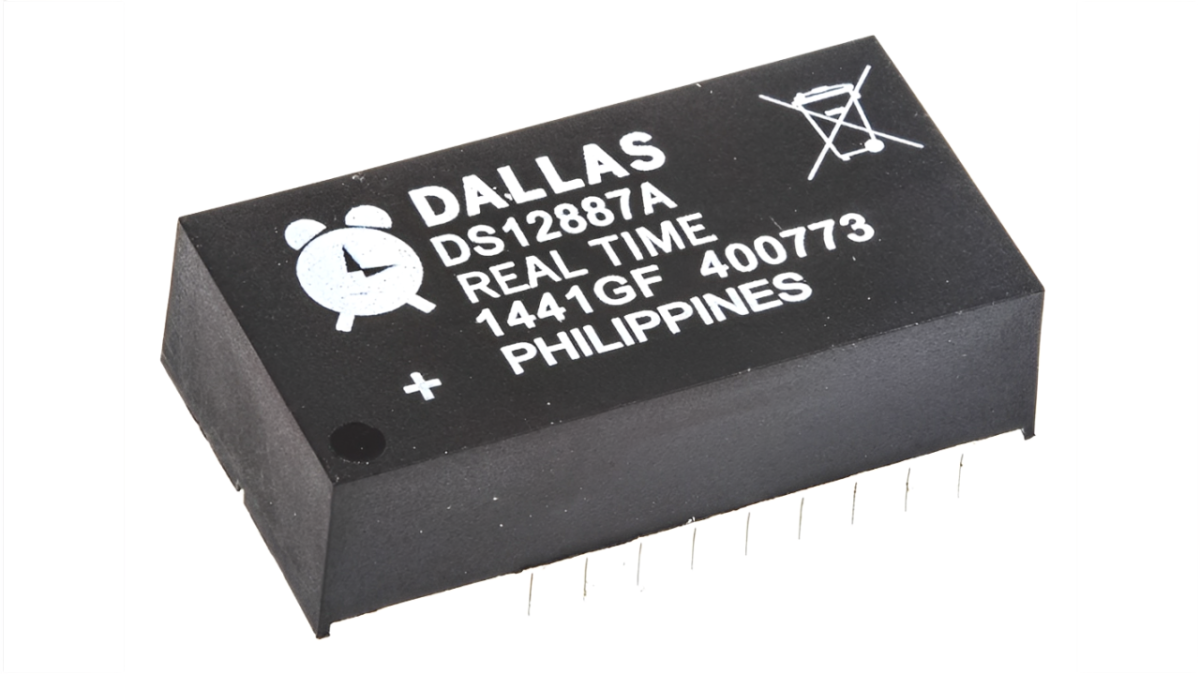
Real Time Clocks are essential timing components used in electronic systems that must keep accurate time and date information. They are commonly known as RTCs and are designed to track real-world time continuously, even when the main device is powered down or working in a low-power state. In modern electronics, this ability is extremely valuable because many systems depend on correct time for logging, scheduling, automation, diagnostics, and reliable operation.
A Real Time Clock is not just a simple clock inside a circuit. It is a dedicated timekeeping solution that helps electronic devices stay organised and consistent. From industrial control panels and smart meters to medical instruments, IoT sensors, computers, and automotive systems, RTCs provide the trusted time reference needed for smooth digital performance.
What Role Do Real Time Clocks Play in Modern Devices?
The main role of a Real Time Clock is to maintain accurate time when the rest of the system is unavailable, inactive, or disconnected from power. Many devices cannot rely only on software-based timing because software stops when the processor shuts down. An RTC solves this problem by running independently and using very little power.
This function is important in devices that need to remember when events happen. For example, an industrial controller may record a machine fault, a medical monitor may store patient readings, and a smart meter may track energy usage across different time periods. In each case, the Real Time Clock helps attach accurate time and date information to the recorded data.
Real Time Clocks are useful for:
- Keeping system time during power interruptions
- Recording accurate timestamps for events
- Supporting scheduled operations
- Helping devices wake from sleep mode
- Reducing energy consumption
- Improving data traceability
- Maintaining calendar information
- Supporting automated control functions
These benefits make RTCs important for both everyday electronics and high-reliability professional systems.
How Do Real Time Clocks Operate Inside a Circuit?
A Real Time Clock usually works with a low-frequency crystal oscillator. This oscillator creates a stable timing signal that the RTC uses to count seconds. A commonly used crystal frequency is 32.768 kHz because it can be divided efficiently into one-second intervals.
Once the RTC counts seconds, it updates internal registers for minutes, hours, days, months, and years. These registers store the current time and calendar data. The main processor or microcontroller can read this information through communication interfaces such as I2C or SPI.
Many RTCs include additional features that improve their usefulness in electronic designs, such as:
- Battery backup input
- Alarm registers
- Interrupt output pins
- Automatic leap year correction
- Low-power operating modes
- Temperature compensation
- Small package options
- Optional memory storage
These features allow designers to choose an RTC that matches the accuracy, size, power, and performance needs of the final product.
Why Is Independent Timekeeping So Important?
Independent timekeeping means the Real Time Clock does not depend fully on the main system processor to keep running. This is important because electronic devices may restart, shut down, lose power, or enter sleep mode. If the device has no independent timing source, it may lose its date and time settings.
A Real Time Clock helps prevent this issue. With a small backup battery or supercapacitor, the RTC can continue tracking time while the main circuit is off. When power returns, the system can immediately read the correct time and continue normal operation.
This is especially useful in:
- Remote monitoring equipment
- Battery-powered devices
- Offline systems
- Industrial machines
- Medical devices
- Security equipment
- Portable instruments
- Smart home products
Independent timekeeping also reduces reliance on internet-based time correction. This is useful when a product is installed in a location with limited or unstable network access.
How Do Real Time Clocks Help with Automation?
Automation depends heavily on timing. A device may need to start a process at a fixed hour, collect data at regular intervals, activate an output after a delay, or wake from sleep mode for scheduled communication. A Real Time Clock provides the timing foundation for these actions.
In an industrial environment, an RTC can help machines follow production schedules or record maintenance intervals. In a smart building system, it can support lighting, heating, ventilation, and energy-saving routines. In agriculture, RTCs can help irrigation controllers operate at planned times.
For IoT devices, Real Time Clocks are especially valuable. A wireless sensor can remain in sleep mode for most of the day and wake only when it needs to take a measurement or send data. This improves battery life while keeping the device active according to a reliable schedule.
What Makes Real Time Clocks Useful for Data Accuracy?
Data becomes more valuable when it includes accurate time information. Without timestamps, it may be difficult to understand when an event occurred or how conditions changed over time. Real Time Clocks help solve this by giving every recorded event a clear time reference.
In environmental monitoring, timestamps help compare changes in temperature, humidity, light, or pressure. In medical equipment, they help organise readings and treatment records. In security systems, they support event logs for access, alarms, and system activity. In automotive electronics, they help store diagnostic events with useful time details.
Accurate time data supports:
- Better reporting
- Easier fault analysis
- Clearer audit trails
- Improved maintenance planning
- Stronger operational visibility
- More reliable historical records
This makes RTCs important in applications where stored information must be reviewed, analysed, or verified later.
What Should You Look for When Selecting a Real Time Clock?
Choosing the right Real Time Clock depends on the demands of the application. A simple consumer product may only need basic calendar tracking, while industrial, medical, or outdoor systems may require higher accuracy and better temperature stability.
Important selection factors include:
- Timekeeping accuracy
- Backup current consumption
- Battery backup support
- Operating voltage
- Interface type
- Alarm and interrupt options
- Temperature range
- Package size
- Calendar support
- Long-term drift performance
For battery-powered devices, low current consumption is usually a top priority. For systems used in changing temperatures, a temperature-compensated RTC may be a better choice. For compact PCB designs, package size and simple communication interfaces may guide the selection.
Why Are Real Time Clocks Still Relevant in Connected Devices?
Many modern devices can receive time from the internet, GPS, or network servers. However, Real Time Clocks are still important because network access is not always available. A connected device may lose signal, restart before synchronising, or operate offline for long periods.
An RTC provides a dependable local time source during these gaps. Once the device reconnects, the system can compare or update time if needed, but it does not have to start from zero. This improves reliability and user experience.
Conclusion
Real Time Clocks are vital components for electronic systems that need accurate, continuous, and low-power timekeeping. They help devices maintain correct time, record meaningful events, follow schedules, save energy, and recover properly after power loss.
Whether used in IoT devices, smart meters, medical electronics, industrial controllers, automotive systems, computers, or security equipment, Real Time Clocks provide a stable timing foundation. Their small size and low power operation make them a practical solution for building smarter, more dependable, and more efficient electronic products.








Comments (0)