

How a User-Friendly NDIS Website Can Make Support Easier to Access
Discover how a user-friendly NDIS website can make it easier for participants and families to find information, understand services, build trust, and connect with the right provider.
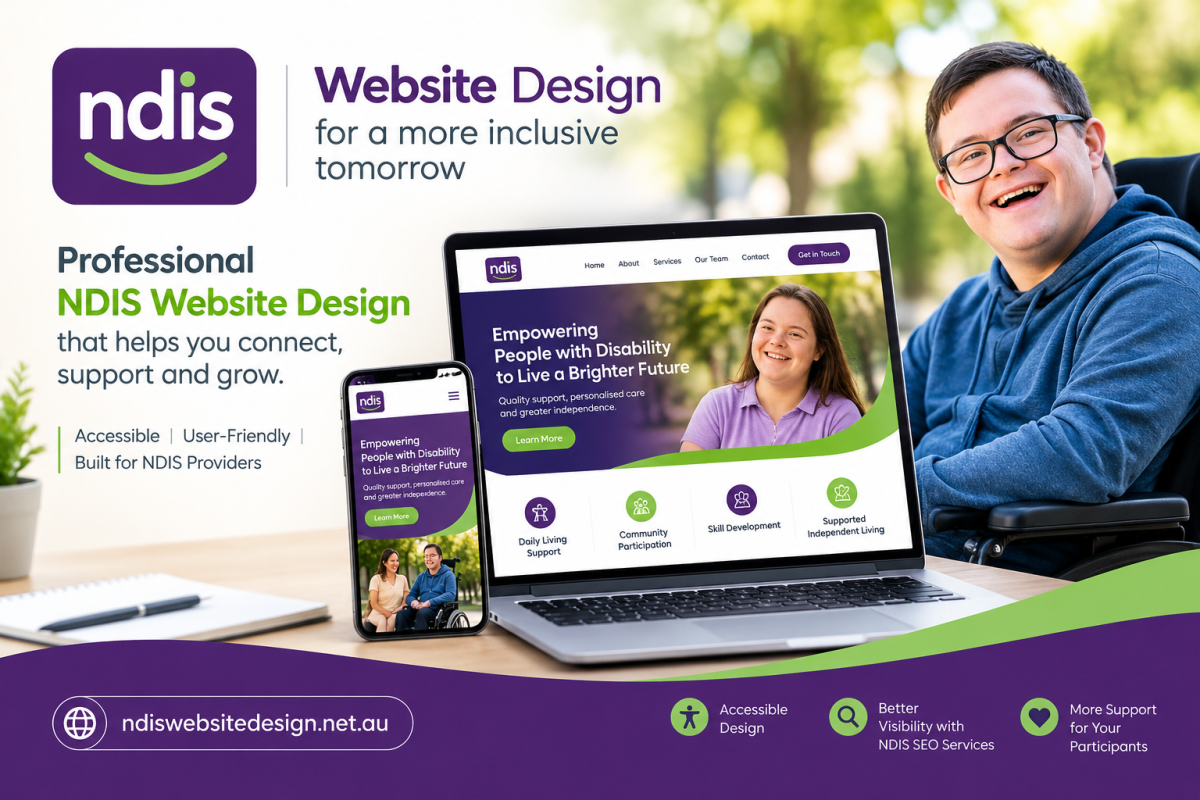
Finding the right NDIS provider can be an important decision for participants and their families. Before making an enquiry, many people visit a provider's website to understand the available services, learn about the organisation, and decide whether it feels like the right fit.
This makes the website an important part of the participant journey. A thoughtfully designed website can remove confusion, provide useful information, and make it easier for visitors to take the next step.
Put the Visitor First
A successful NDIS website should be designed around the people who will actually use it.
Visitors may arrive with different questions and expectations. Some may be looking for a particular type of support, while others may simply be trying to understand what the provider offers.
A clean layout and straightforward navigation can help visitors find relevant information quickly. Rather than presenting everything on the homepage, the website should guide people towards services, provider information, resources, and contact options in a logical way.
Make Important Information Simple
People should not need to understand complicated industry terminology to learn about your services.
Clear explanations can make a website much more approachable. Service pages should describe what is offered, who the support may be suitable for, and what someone can expect when they contact the provider.
Using short paragraphs, descriptive headings, and easy-to-understand language can make important information easier to read and remember.
Accessibility Should Be Built Into the Experience
An inclusive website considers how different people interact with digital content.
Readable fonts, sufficient spacing, clear navigation, descriptive buttons, accessible forms, and responsive layouts can all contribute to a more comfortable browsing experience.
Accessibility also benefits visitors who simply prefer a clean and uncomplicated website. When information is easy to read and interactions are predictable, people can navigate with greater confidence.
Give Participants a Reason to Trust You
Choosing an NDIS provider involves trust. Your website should therefore communicate more than just a list of services.
Information about your organisation, team, approach, service areas, and experience can help visitors understand who they may be contacting. Genuine testimonials and helpful resources can also add context when used appropriately.
Most importantly, website content should be honest and informative. Building trust online is about giving visitors enough useful information to make an informed decision.
Don't Forget Mobile Visitors
A website that works well on a desktop computer may not automatically provide the same experience on a smartphone.
Participants, carers, and family members may browse a website from their phones, so pages should adapt smoothly to smaller screens. Menus, buttons, forms, images, and text should remain easy to use without excessive scrolling or zooming.
Responsive design can make the entire browsing experience more convenient.
Help People Discover Your Services
A great website is only useful if people can find it.
This is where NDIS SEO services can complement good website design. Search engine optimisation can help improve the way a website is structured, presented, and discovered for relevant searches.
Rather than repeatedly placing the same phrase throughout a page, providers can create useful content around the questions their audience is actually searching for. Well-organised service pages, location-specific information, relevant headings, internal links, and helpful resources can all contribute to a stronger online presence.
Create a Clear Path to Enquiry
After researching your organisation, a visitor should know what to do next.
Contact details should be easy to locate, and enquiry forms should be simple enough to complete without unnecessary steps. Clear calls to action can guide visitors towards contacting the provider when they are ready.
The aim is not to pressure someone into making an enquiry. It is to remove uncertainty and make the process straightforward for people who want more information.
Keep Content Useful and Current
An outdated website can quickly reduce confidence in a provider.
Service information, contact details, team profiles, and other important content should be reviewed regularly. Adding genuinely useful articles and resources can also help visitors find answers to common questions.
For providers investing in SEO services for NDIS providers, maintaining fresh and relevant content can support both search visibility and the overall user experience.
Design and SEO Should Work Together
Good NDIS website design and search optimisation should support the same goal: helping the right people find useful information.
A visually appealing website may attract attention, but visitors also need clear content and simple navigation. Similarly, strong search visibility is less valuable if people arrive at a confusing or difficult-to-use website.
When design, content, accessibility, and SEO are considered together, the website can become a much more effective communication tool.
The Bigger Picture
An NDIS website should make the online journey easier, not more complicated. From the first visit to the final enquiry, every part of the experience should help visitors understand the provider and make confident decisions.
A participant-focused approach to website design can create a more welcoming digital experience while also supporting stronger visibility in search results.
For NDIS providers, the goal should be simple: create an online space where people can find clear information, understand available support, and contact the organisation without unnecessary barriers.







Comments (0)