

A Complete Guide to Choosing Hair Color, Highlights, and Balayage in Houston

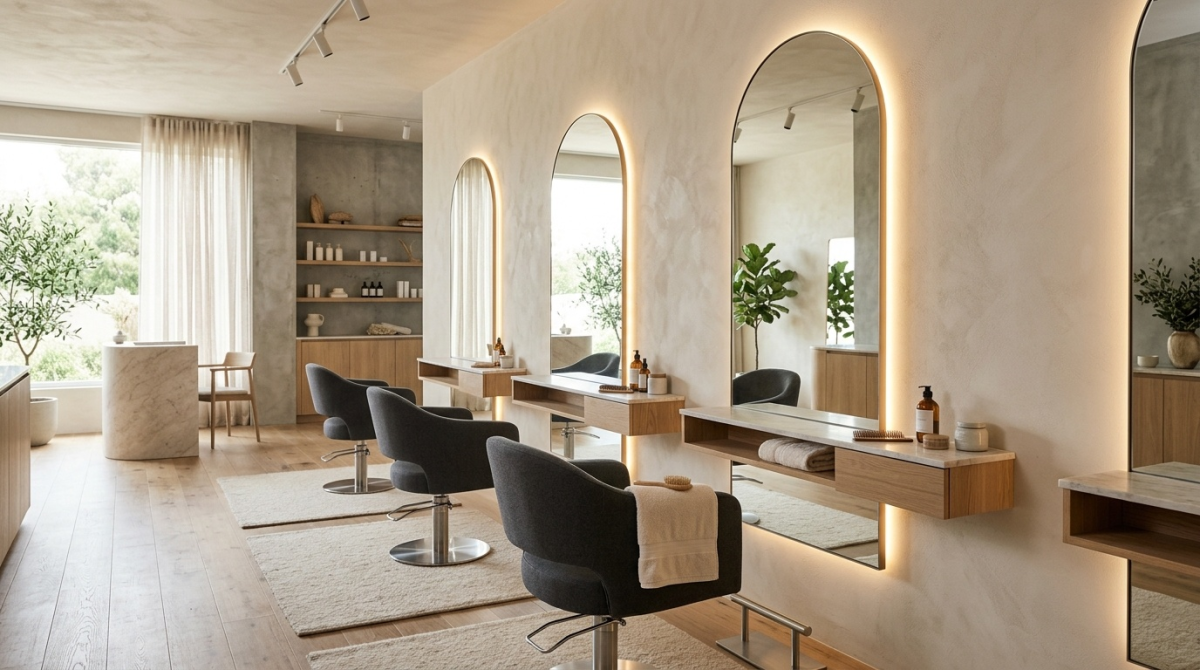
Changing your hair color can completely refresh your appearance, but choosing between traditional hair color, highlights, and balayage is not always easy. Each technique creates a different effect and requires a different level of maintenance. Houston’s climate, lifestyle, and diverse beauty trends can also influence which option works best for you.
Whether you want a subtle enhancement, noticeable dimension, or a dramatic transformation, understanding your options can help you make a confident decision. This guide covers the key differences between hair color, highlights, and balayage and what to consider before booking your appointment.
Understanding Your Hair Color Options
Before choosing a specific technique, it helps to understand what each service is designed to achieve.
Traditional Hair Color
Traditional hair color is a good choice when you want an overall change or need to refresh your existing shade. It can be used to go darker, enhance your natural color, cover gray hair, or create a completely different look.
For example, someone with medium brown hair might choose a rich chocolate brown, warm caramel, or deeper espresso shade. Those looking for a lighter appearance may also explore blonde or copper tones depending on their natural hair and desired result.
The right shade should complement your skin tone, eye color, natural hair color, and personal style. A professional colorist can help determine which tones will create the most flattering result.
Highlights
Highlights involve lightening selected sections of the hair rather than coloring the entire head. They can add brightness and dimension while allowing some of your natural color to remain visible.
There are several highlight styles, including traditional highlights, partial highlights, face-framing highlights, and more subtle techniques. Your colorist can adjust the placement and intensity depending on how noticeable you want the finished look to be.
Highlights are particularly useful when you want more dimension without committing to an all-over color transformation.
Balayage
Balayage has become a popular choice for people who want a softer, more natural-looking color transition. Instead of creating uniform sections, color is strategically painted onto the hair to create a graduated effect.
The result can resemble the way hair naturally becomes lighter from sun exposure. Depending on the desired look, balayage can be subtle or highly dimensional.
Because the color is generally concentrated away from the roots, balayage can also provide a lower-maintenance appearance as the hair grows.
How to Choose the Right Technique
Your ideal service depends on several factors rather than simply following the latest trend.
Consider Your Natural Hair Color
Your starting shade plays an important role in determining what is realistically achievable in one appointment. Darker hair may require multiple stages to reach very light blonde tones, while lighter hair may have more flexibility.
It is important to discuss your current color history with your stylist. Previous color treatments, especially dark permanent dyes, can affect how your hair responds to lightening.
Think About Your Desired Maintenance
Maintenance should be part of your decision before you choose a color technique.
If you prefer regular salon visits and enjoy keeping your color looking freshly done, traditional color or noticeable highlights may work well. If you want a more gradual grow-out with less obvious root regrowth, balayage may be worth considering.
Your lifestyle and schedule should influence the choice just as much as the final appearance.
Match the Color to Your Skin Tone
Hair color can dramatically change how your complexion looks. Warm, cool, and neutral undertones can each pair differently with blonde, brown, red, copper, and other shades.
Warm undertones may complement golden, honey, caramel, or copper shades, while cooler undertones may work well with ash, beige, or cooler brown tones. People with neutral undertones often have greater flexibility.
However, these are guidelines rather than strict rules. Your personal preferences and overall style should also be considered.
Choosing Between Subtle and Dramatic Results
Think about how noticeable you want your transformation to be.
For a subtle change, consider soft highlights, face-framing pieces, or a natural balayage. These options can add dimension without dramatically changing your overall appearance.
For a more noticeable transformation, you might consider a stronger contrast between your base color and lighter pieces or an all-over color change.
A useful approach is to bring a few inspiration photos to your consultation. Photos can help your stylist understand the tone, brightness, placement, and overall effect you want.
Houston Climate and Hair Color
Houston’s warm and humid climate can affect how your hair looks and feels after coloring. Humidity may contribute to frizz and make hair appear less smooth, while frequent exposure to heat and sunlight can affect color longevity.
That makes proper aftercare especially important.
Using products designed for color-treated hair, limiting excessive heat styling, and protecting your hair from prolonged sun exposure can help maintain the appearance of your color.
A professional salon can also recommend a maintenance routine based on your specific hair type and color treatment.
Why Professional Color Consultation Matters
Hair color is more than simply selecting a shade from a chart. A professional colorist considers your existing color, hair condition, previous chemical treatments, desired result, and maintenance preferences before developing a plan.
If you're considering a new shade or technique, professional hair coloring services in Houston can help you explore options that suit your individual look.
A consultation is particularly important if you are planning a significant color correction or moving from a dark shade to a much lighter color. Some transformations may require multiple appointments to achieve the desired result while maintaining the condition of your hair.
Caring for Color-Treated Hair
Once you've invested in a new color, proper maintenance can help keep it looking fresh.
Use Color-Safe Products
Choose shampoos and conditioners formulated for color-treated hair. Harsh products can contribute to fading and dryness, while appropriate products can help preserve the appearance of your color.
Avoid Excessive Heat
Frequent use of flat irons, curling irons, and blow dryers can contribute to dryness and damage. Use heat protection whenever styling tools are necessary.
Follow Your Stylist's Maintenance Schedule
Different coloring techniques require different refresh schedules. Root color may need more frequent maintenance, while balayage can often be refreshed less frequently.
Following professional recommendations can help keep your color consistent and your hair in good condition.
Final Thoughts
Choosing between hair color, highlights, and balayage ultimately comes down to your desired appearance, natural hair, maintenance preferences, and overall lifestyle. There is no single technique that works for everyone.
Take time to discuss your goals with an experienced colorist and consider bringing inspiration photos to your appointment. With the right consultation and maintenance plan, you can achieve a hair color that looks polished, dimensional, and suited to your personal style in Houston.









Comments (0)