

Common Dental Emergencies and What to Do Before Seeing a Dentist

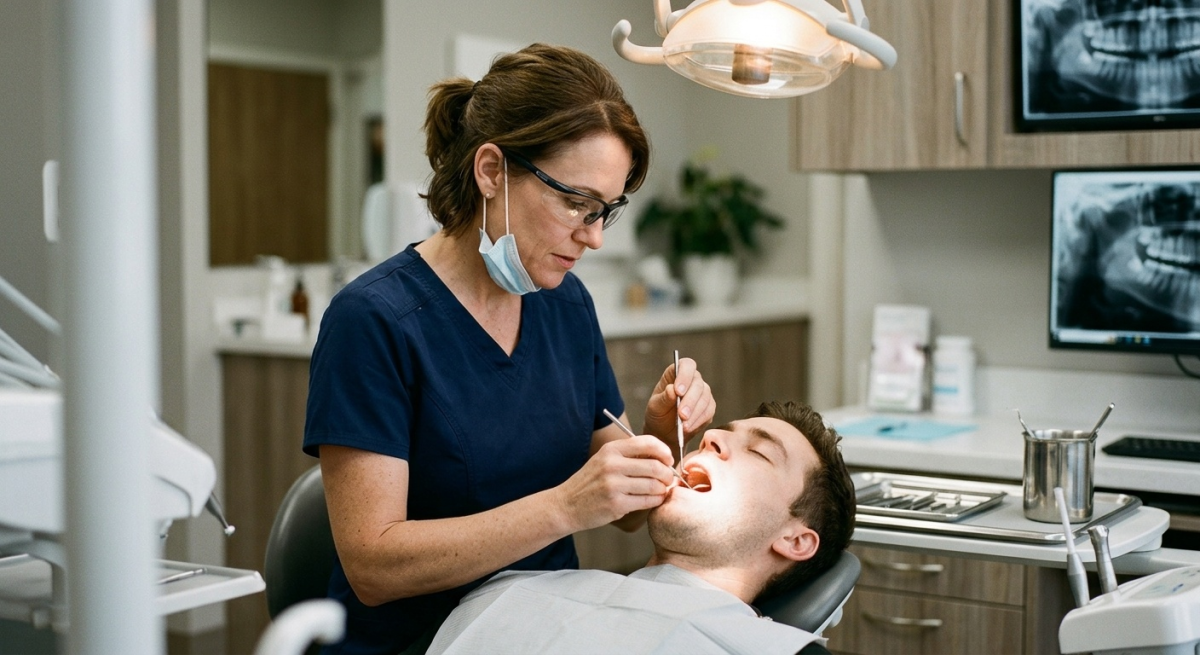
Dental emergencies can happen unexpectedly, whether you experience a sudden toothache, break a tooth while eating, or suffer an injury during sports or an accident. Knowing what to do in the first few minutes can help protect your teeth, reduce discomfort, and prevent the situation from becoming more serious.
Some dental problems require prompt professional attention, particularly when there is severe pain, significant swelling, uncontrolled bleeding, infection, or dental trauma. The American Dental Association (ADA) identifies conditions such as severe dental pain, abscesses, tooth fractures, dental trauma, uncontrolled bleeding, and facial swelling that may affect the airway as situations requiring urgent or emergency evaluation.
Understanding the most common dental emergencies can help you respond appropriately while arranging professional care.
1. Severe Toothache
A sudden or persistent toothache is one of the most common reasons people seek urgent dental care. Pain may result from tooth decay, inflammation of the dental pulp, a cracked tooth, infection, or another underlying problem.
Before seeing a dentist, gently rinse your mouth with warm water and carefully floss around the affected tooth to remove food or debris. Avoid placing aspirin or other pain medication directly against the gums because this can irritate or damage the tissue.
Over-the-counter pain medication may provide temporary relief when used appropriately. Current ADA guidance indicates that nonsteroidal anti-inflammatory drugs such as ibuprofen or naproxen, alone or combined with acetaminophen, can be effective for acute dental pain in appropriate patients.
However, pain relief does not address the underlying cause. Arrange a dental examination as soon as possible, particularly if the pain is severe, persistent, or accompanied by swelling.
2. Chipped or Broken Tooth
A tooth can crack or break because of an accident, biting something hard, tooth decay, or weakened dental structure. A broken tooth may cause sharp edges, sensitivity, pain, or irritation to the cheek and tongue.
Rinse your mouth gently with warm water to keep the area clean. If swelling develops, applying a cold compress to the outside of the cheek may help reduce it. If you can find the broken piece of tooth, keep it in a clean container and bring it with you to the dental appointment.
Avoid chewing on the affected side until a dentist has examined the tooth. Depending on the extent of the damage, professional treatment may involve repairing, restoring, or otherwise treating the tooth.
3. Knocked-Out Tooth
A completely knocked-out permanent tooth requires particularly prompt attention. Dental trauma involving avulsion or luxation is recognized as an urgent dental condition.
If a permanent tooth has been knocked out, locate it and handle it carefully by the crown rather than the root. If the tooth is dirty, gently rinse it without scrubbing or removing attached tissue. If possible, the tooth may be carefully placed back into its socket while seeking immediate dental care. If that is not possible, keeping it in milk and taking it with you to the dentist is another option described by the ADA.
Because time can be important after dental trauma, contact a dentist immediately rather than waiting to see whether the situation improves.
4. Dental Abscess or Facial Swelling
A dental abscess is an infection that can cause localized pain and swelling. You may also notice a bad taste, sensitivity, tenderness, or swelling around the tooth or gums.
An abscess should not simply be left untreated. The ADA considers localized bacterial infections with pain and swelling among conditions requiring urgent dental attention.
Do not attempt to drain an abscess yourself. Contact a dentist promptly for an evaluation and appropriate treatment. Antibiotics are not automatically necessary for every type of dental pain or localized dental infection; the ADA recommends dental treatment as the priority for many pulpal and periapical conditions, with antibiotics used when clinically indicated.
If swelling is spreading toward the face or neck, or you have difficulty breathing or swallowing, seek emergency medical attention immediately.
5. Excessive or Uncontrolled Bleeding
Bleeding can occur after dental trauma, an injury to the gums or mouth, or certain dental procedures. Minor bleeding may often be managed by applying gentle, consistent pressure with clean gauze.
If bleeding remains uncontrolled or is substantial, it should not be treated as an ordinary dental issue. The ADA identifies uncontrolled bleeding as a dental emergency requiring immediate attention.
If you cannot control significant bleeding, seek emergency medical care while contacting a dental professional.
6. Injuries to the Lips, Tongue, or Gums
Falls, sports injuries, accidents, and other incidents can cause cuts or wounds to the soft tissues inside the mouth.
Gently clean the affected area and use clean gauze to apply pressure when appropriate. A cold compress placed against the outside of the mouth can help with swelling. If bleeding does not stop with reasonable pressure, professional medical attention is necessary.
Severe facial injuries should be evaluated promptly, especially when there may also be damage to the jaw or facial bones.
7. Lost Dental Filling or Crown
A lost filling or crown may expose sensitive areas of a tooth and cause discomfort when eating or drinking. Although it may not always require an emergency-room visit, prompt dental evaluation can help prevent additional damage.
Keep the restoration if you can find it and take it with you to the dentist. Avoid chewing hard or sticky foods on the affected side and keep the area clean.
If a temporary crown or bridge becomes loose, broken, or causes irritation, contacting your dentist promptly is appropriate because these situations can sometimes require urgent attention.
8. Objects Stuck Between Teeth
Food or other small objects can occasionally become trapped between teeth and cause discomfort. In many cases, gently using dental floss can remove the object.
Never use sharp instruments, pins, knives, or other pointed objects to force something out. These can damage the gums or tooth surfaces. If floss cannot remove the object or pain continues, contact your dentist for assistance.
When Should You Seek Emergency Dental Care?
Not every dental problem requires emergency treatment, but certain symptoms should be taken seriously. Seek urgent professional care when you experience severe or persistent dental pain, significant facial swelling, a dental abscess, uncontrolled bleeding, a knocked-out or seriously damaged tooth, or significant dental trauma.
Difficulty breathing or swallowing, rapidly increasing swelling around the mouth or neck, or facial trauma that could compromise the airway requires immediate medical attention rather than waiting for a routine dental appointment. The ADA specifically identifies airway-threatening swelling and facial trauma as potentially life-threatening dental emergencies.
For problems that are painful but do not appear life-threatening, contacting an emergency dentist can help determine how quickly you need to be seen. Emergency dentistry services can provide professional evaluation when sudden dental problems require prompt attention.
What Not to Do During a Dental Emergency
When dealing with a dental emergency, some common home remedies can make the situation worse. Avoid putting aspirin directly on a tooth or gum, attempting to drain an abscess, using sharp objects to remove something stuck between teeth, or trying to repair a damaged tooth with household adhesives.
You should also avoid delaying professional care simply because medication temporarily reduces your pain. Dental pain can return or worsen when the underlying cause remains untreated.
Instead, keep the affected area as clean as possible, protect the injured tooth from additional damage, follow appropriate first-aid measures, and contact a dental professional.
Preparing for an Emergency Dental Visit
When you contact a dentist, be ready to explain what happened, when the problem started, where the pain or injury is located, and whether you have symptoms such as swelling, bleeding, fever, or sensitivity.
If a tooth or dental restoration has been damaged or knocked out, bring any pieces you have recovered. Also tell the dental team about relevant medications or existing medical conditions so they can plan appropriate care.
Having your dentist's contact information available before an emergency occurs can save valuable time. Prompt professional evaluation is especially important when symptoms involve severe pain, infection, trauma, or uncontrolled bleeding.
Final Thoughts
Dental emergencies can be stressful, but knowing the appropriate first steps can help you protect your oral health while waiting for professional care. Rinsing the mouth, using a cold compress for swelling, preserving a knocked-out or broken tooth appropriately, and avoiding harmful home remedies are useful immediate measures in many situations.
Most importantly, first aid should only be considered temporary support. A dentist needs to identify and treat the underlying cause of significant pain, infection, trauma, or damage. If you're experiencing a sudden dental problem, seeking emergency dental care promptly can help prevent a manageable problem from becoming more complicated.





Comments (0)