

How to Choose the Right Girls Dresses for Your Clothing Business
Discover practical tips for sourcing girls dresses including fabric quality, designs, sizing, pricing, samples, minimum orders, and reliable suppliers.
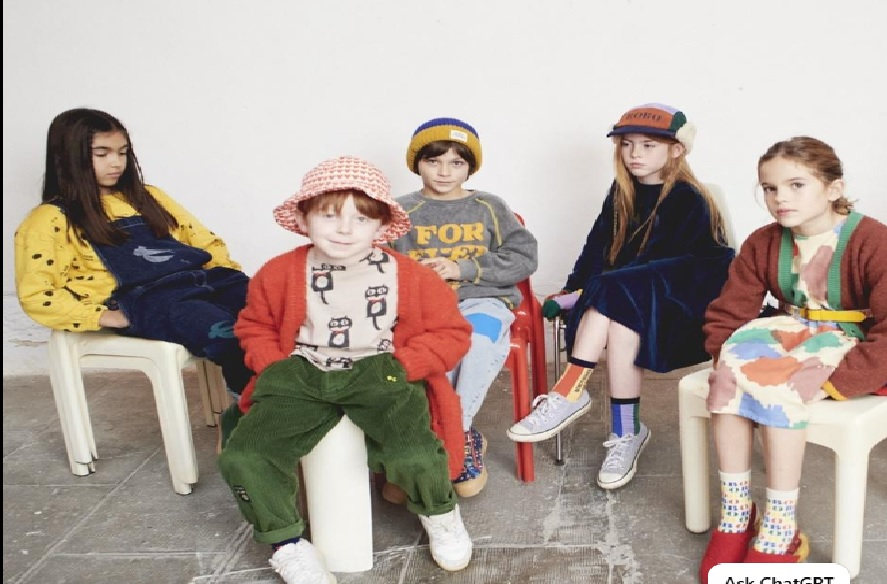
Choosing the right clothing collection is an important decision for retailers, boutique owners, online sellers, and growing fashion brands. Girls fashion is a broad category with many styles, fabrics, colors, sizes, and occasions to consider. Customers today look for clothing that combines attractive designs with comfort, durability, and reasonable pricing.
For businesses, the challenge is not simply finding beautiful dresses. The real goal is to build a collection that customers will actually want to buy. Understanding your audience, checking product quality, selecting suitable designs, and working with dependable manufacturers can make the sourcing process much easier.
Understand What Your Customers Want
Before placing an order, take some time to understand your target customers. Parents often look for different qualities depending on the age of the child and the purpose of the outfit.
Everyday clothing needs to be comfortable and easy to maintain, while party dresses may focus more on appearance and decorative details. Seasonal collections can also have different requirements. Cotton dresses may be preferred during warmer months, while layered or warmer fabrics can be more suitable for cooler weather.
Knowing your customer base helps you avoid purchasing products simply because they look attractive. Instead, you can select items that have a practical reason to be part of your collection.
Fabric Quality Should Come First
Fabric has a major effect on how children feel while wearing a dress. Young children are generally more comfortable in soft and breathable materials that allow easy movement.
Retailers should examine the fabric carefully before making larger purchases. Check whether the material feels comfortable, whether the stitching is neat, and whether the garment maintains its shape after washing.
Good fabric quality can also reduce complaints and returns. When customers receive clothing that feels comfortable and lasts through regular use, they are more likely to trust the seller and return for future purchases.
Select Designs for Different Occasions
A successful collection usually includes more than one type of dress. Parents may shop for school events, birthdays, family functions, festivals, holidays, casual outings, and special celebrations.
Consider offering a balanced selection such as:
• Casual cotton dresses for everyday use
• Party dresses for birthdays and celebrations
• Traditional styles for festivals and family occasions
• Comfortable summer dresses for warm weather
• Stylish winter designs for colder months
• Simple fashionable outfits for regular outings
A varied collection gives customers more reasons to browse and increases the possibility of repeat purchases.
Comfort Should Never Be Ignored
Children need clothing that allows them to move, sit, run, and play comfortably. A dress may look beautiful in photographs, but that does not necessarily mean it will be comfortable throughout the day.
Pay attention to factors such as the weight of the fabric, fitting, waist design, sleeves, neckline, buttons, zippers, and decorative elements. Avoid designs that contain uncomfortable finishing or unnecessarily complicated details.
Comfort can be particularly important for younger children because they may quickly become irritated by rough fabric, tight fittings, or uncomfortable accessories.
Pay Attention to Stitching and Finishing
Good finishing reflects the overall quality of a garment. Before buying in large quantities, examine samples closely.
Look at the seams, hems, buttons, zippers, embroidery, prints, and other decorative elements. Loose threads, uneven stitching, poor seams, or damaged finishing can affect customer satisfaction.
A professional manufacturer should maintain consistent workmanship across different sizes and batches. This becomes especially important when a retailer places repeat orders.
Choose the Right Size Range
Sizing is another important part of children's clothing. Customers expect the size they purchase to fit reasonably well according to the stated measurements.
When selecting products, ask suppliers for detailed size charts. Do not depend entirely on age labels because children's body sizes can vary considerably.
A useful size range can help your business serve more customers. It can also reduce situations where parents like a design but cannot find an appropriate size.
Variety Can Make Your Collection More Attractive
Customers appreciate having options. However, variety does not mean purchasing too many unrelated designs. The collection should still have a clear identity.
For example, a boutique focused on modern children's fashion might select coordinated colors, contemporary patterns, and stylish silhouettes. Another retailer may focus on traditional Indian clothing for festivals and family celebrations.
Think about how each product fits into your overall collection. A well-planned range can make your store look more professional and easier to shop.
Buying in Bulk for a Retail Business
When sourcing wholesale girls dresses, retailers should consider more than the price per piece. The overall value depends on product quality, consistency, sizing, delivery arrangements, packaging, and supplier reliability.
Buying larger quantities can sometimes provide better commercial pricing, but businesses should avoid ordering large volumes without first checking samples. A low price does not necessarily represent good value if the products have quality issues or sell slowly.
Start with products that match your customer demand and gradually expand based on actual sales performance.
Always Request Samples Before Ordering
Samples provide an opportunity to evaluate a supplier before making a significant investment. A photograph can show the design, but it cannot always communicate the actual fabric quality, stitching, finishing, or fitting.
When reviewing samples, check the garment from different angles. Examine the seams, fabric, color, size, accessories, and overall construction.
You can also wash a sample when appropriate to see how the material responds to normal care. This simple step can help identify potential problems before placing a larger order.
Consider Minimum Order Requirements
Different manufacturers and suppliers may have different minimum order quantities. A business that is just starting may prefer smaller quantities so that it can test customer response.
Established retailers may have enough demand to purchase larger quantities. Before confirming an order, discuss minimum quantities, available sizes, colors, customization options, payment terms, and delivery schedules.
Clear communication at the beginning can prevent misunderstandings later.
Pricing Should Reflect Overall Value
Price is naturally important for retailers, but it should not be the only factor considered. A product with slightly higher sourcing costs may provide better value if it has superior quality and stronger customer appeal.
Calculate the complete cost of bringing products to your customers. Consider manufacturing or purchase price, transportation, packaging, taxes where applicable, storage, marketing, and other business expenses.
A realistic pricing strategy allows your business to maintain healthy margins while remaining competitive.
Build a Long Term Supplier Relationship
Finding a reliable clothing manufacturer or supplier can make future sourcing much easier. Once you identify a supplier who consistently meets your quality expectations, maintaining a professional relationship can benefit both sides.
Discuss upcoming collections, seasonal requirements, expected quantities, and customer feedback. Sharing useful information can help suppliers understand your business better and may make future orders more efficient.
Consistency is particularly valuable for growing brands because customers expect similar quality whenever they purchase again.
Keep Customer Feedback in Focus
Your customers can provide some of the most useful information for future purchasing decisions. Pay attention to which designs receive positive feedback, which sizes sell quickly, and which products remain in stock for longer periods.
Online stores can also examine product reviews, return reasons, and customer questions. Physical retailers can gather feedback directly from parents.
Use this information when planning your next collection. Over time, customer feedback can help you develop a stronger understanding of what works for your market.
Final Thoughts
Building a successful girls clothing collection requires more than choosing attractive designs. Retailers need to consider comfort, fabric quality, stitching, sizing, occasion, pricing, customer preferences, and supplier reliability.
Taking time to evaluate products before placing larger orders can reduce unnecessary risks and improve customer satisfaction. A carefully selected collection can also help a clothing business establish a stronger reputation and encourage repeat purchases.
Whether you operate a boutique, online store, wholesale business, or growing fashion brand, thoughtful product selection can play an important role in long term success. Focus on quality, understand your customers, and work with suppliers who can consistently meet your expectations.

self publish author




Comments (0)