

Locksmith Near Me for Emergency Situations: What to Do Before Professional Help Arrives
However, what you do before the locksmith arrives can also make a difference. Trying to force a damaged lock, repeatedly turning a stuck key, or attempting an unfamiliar repair can sometimes make the problem worse.

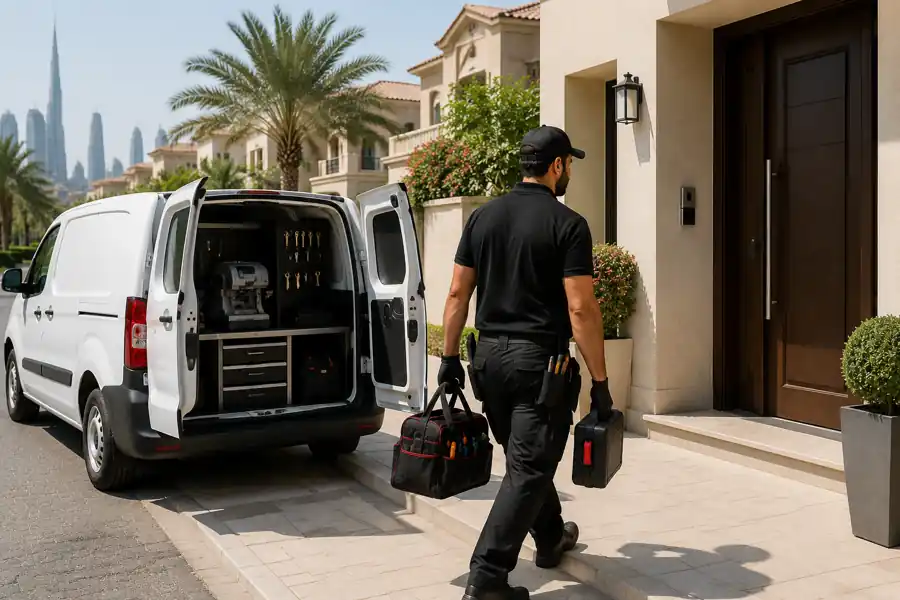
Lock and key problems rarely happen at a convenient time. A key can break inside a lock, a door can suddenly refuse to open, or a property owner may discover that a lock has stopped working late at night. In these situations, searching for a locksmith near me is often the quickest way to find professional assistance.
However, what you do before the locksmith arrives can also make a difference. Trying to force a damaged lock, repeatedly turning a stuck key, or attempting an unfamiliar repair can sometimes make the problem worse.
Knowing a few basic steps can help protect the lock, the door, and your own safety while professional help is on the way.
Stay Calm and Identify the Immediate Problem
The first step is to understand what has actually happened.
Is the door locked and you cannot enter? Is the key broken? Is the key turning but the door not opening? Or has the lock become completely stuck?
Different situations can require different solutions.
Take a moment to check:
- Whether another authorised key works
- Whether the door is fully closed
- Whether the key is damaged
- Whether the lock is visibly damaged
- Whether the handle or latch is moving normally
Avoid repeatedly forcing the mechanism while trying to identify the issue.
Do Not Force a Stuck Key
One of the most common mistakes during a lock emergency is applying excessive force to the key.
If the key is already difficult to turn, forcing it can cause the key to bend or break inside the cylinder.
A broken key can make the situation more complicated because the locksmith may then need to remove the broken piece before restoring access.
If the key is resisting unusually strongly, stop and arrange professional assistance instead of continuing to turn it.
If the Key Is Broken Inside the Lock
A broken key inside a lock can be stressful, particularly when it prevents access to a home or office.
Do not push another key into the same cylinder, as this can push the broken section further inside.
Avoid using unsuitable objects to pull at the broken piece. A professional locksmith has appropriate tools for dealing with broken keys and can assess whether the cylinder itself has also been damaged.
If you still have another authorised key, keep it available for the locksmith to examine.
Check Whether Another Authorised Entry Is Available
If you are locked outside your property, check whether there is another legitimate way to enter.
For example, you may have:
- A spare key
- Another authorised entrance
- A trusted family member with a key
- A property manager who can assist
Only use access methods that you are authorised to use.
If no suitable option is available, contacting a professional locksmith may be the most practical solution.
Avoid Trying Random DIY Lock Repairs
Emergency situations can encourage people to search for quick online fixes.
However, unfamiliar tools or techniques can damage:
- Lock cylinders
- Handles
- Door frames
- Latches
- Internal mechanisms
A repair that initially looks simple may become more complicated after an unsuccessful DIY attempt.
Professional assistance can help identify the actual cause before unnecessary damage occurs.
Keep the Door and Lock Accessible
When a locksmith arrives, make it as easy as possible for them to inspect the problem.
If you are inside the property, clear objects away from the door area.
If you are outside, keep the entrance accessible and have any relevant information available, such as:
- Spare keys
- Lock brand information
- Photos of the lock
- Property details
This can help the professional understand the situation more efficiently.
Explain Exactly What Happened
When contacting a locksmith, give a clear description of the problem.
Instead of simply saying that the lock is broken, explain what happened.
For example:
“The key goes into the lock but will not turn.”
Or:
“The key broke inside the cylinder.”
Or:
“The door handle moves, but the latch does not retract.”
These details can help the locksmith understand what type of service may be required.
If possible, provide a clear photograph of the lock and door.
Emergency Lock Problems Can Have Different Causes
A door that will not open does not necessarily have a completely failed lock.
Possible causes can include:
- Damaged key
- Worn cylinder
- Door misalignment
- Broken latch
- Internal lock failure
- Loose hardware
This is why professional diagnosis is important.
A locksmith can inspect the complete locking system and determine whether the appropriate solution is repair, key extraction, adjustment, or replacement.
What to Expect From a Professional Locksmith
When the locksmith arrives, they should first assess the situation.
Depending on the problem, they may examine:
- The key
- Cylinder
- Lock body
- Latch
- Door alignment
- Handle
- Surrounding hardware
The appropriate method depends on the lock and circumstances.
Once the problem has been identified, the locksmith can explain the available solution.
Emergency Lockouts
Being locked outside your home or office can be particularly stressful.
Before attempting anything yourself, check whether you have an authorised spare key or another legitimate access option.
If there is no suitable alternative, a professional locksmith can assess the lock and determine the appropriate way to restore access.
Avoid damaging the door or attempting to force the lock simply because you need immediate entry.
Emergency Problems With Office Doors
Commercial lock emergencies can affect employees, customers, and business operations.
A malfunctioning office lock may prevent access to:
- Main entrances
- Private offices
- Storage areas
- Meeting rooms
- Restricted areas
Businesses should keep information about their locking systems and authorised contacts available so that professional assistance can be arranged quickly when necessary.
What About Smart Locks?
Modern properties may use digital or smart locks instead of traditional key-operated systems.
An emergency problem could involve:
- Low battery
- Failed keypad
- Fingerprint recognition issue
- App connectivity
- Mechanical failure
Before calling for assistance, check the manufacturer's recommended emergency access method if it is available.
Do not repeatedly enter incorrect codes or dismantle the device unless you know exactly what you are doing.
A professional can determine whether the issue is electronic, mechanical, or related to the door itself.
How to Prepare for Future Lock Emergencies
A little preparation can reduce stress when a lock problem happens.
Consider keeping:
- An authorised spare key
- Relevant lock information
- Manufacturer details for digital locks
- A trusted locksmith contact
For vehicles, having an additional authorised key can also be useful.
Regularly checking keys and locks can help identify problems before they become emergencies.
Frequently Asked Questions
What should I do first during a lock emergency?
Stay calm, identify the immediate problem, and avoid forcing the key or lock. If there is no safe authorised access option, contact a professional locksmith.
Should I force a key that will not turn?
No. Excessive force can bend or break the key and potentially damage the lock.
What if my key breaks inside the lock?
Avoid pushing anything else into the cylinder. A professional locksmith can assess and remove the broken key using suitable tools.
Can a locksmith repair an emergency lock problem instead of replacing the lock?
Sometimes. The correct solution depends on whether the issue involves the key, cylinder, latch, alignment, or another component.
What information should I give a locksmith before they arrive?
Explain what happened, the type of property, the type of lock if known, and whether you have a working or damaged key. Photos can also be useful.
Final Thoughts
A lock emergency can become more complicated when people try to solve it by force. Whether you are locked outside, dealing with a broken key, or facing a suddenly malfunctioning lock, the safest approach is to avoid unnecessary damage and arrange professional assistance.
When searching for a locksmith near me, provide clear information about the problem so the professional can arrive prepared to assess the situation.
The immediate goal is not simply to get the door open. It is to restore access while protecting the door, lock, and surrounding hardware from unnecessary damage.









Comments (0)