

What to Know Before Hiring a Roofing Contractor in Merrillville
Planning a roof repair or replacement? Learn what to check before hiring a roofing contractor in Merrillville — licensing, costs, and red flags.

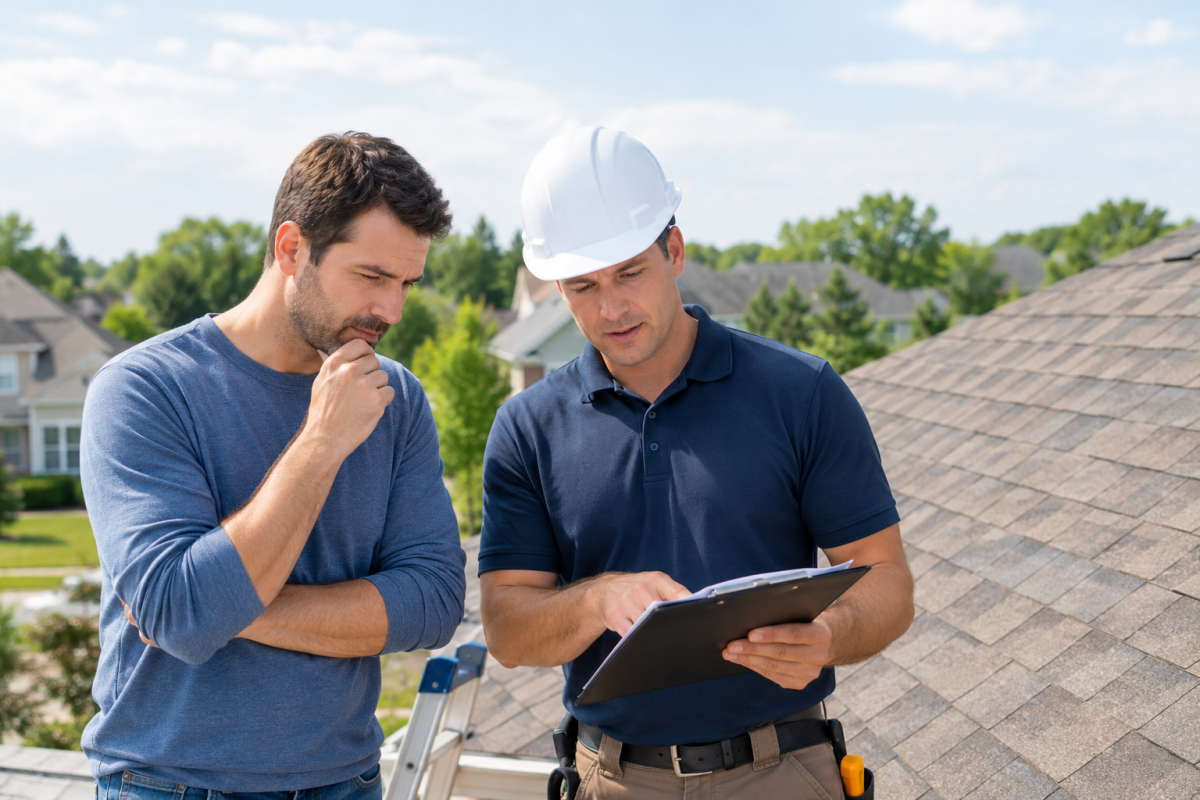
Nobody thinks about their roof until something goes wrong with it. Then suddenly you're staring up at water stains on your ceiling, or a contractor's business card that showed up on your door the morning after a hailstorm, and you have to make a decision that's going to cost thousands of dollars fast.
Here's the thing: most of the roofing horror stories you hear about didn't happen because homeowners were careless. They happened because someone was in a rush, or didn't know what questions to ask, or assumed a contractor was legitimate just because they showed up looking professional. If you're in the market for merrillville roofing work right now, a little bit of homework upfront can save you from a lot of grief later.
Why This Decision Is Bigger Than It Feels
A new roof isn't a small purchase. Depending on the size of your home and the materials you go with, you could be looking at anywhere from a few thousand dollars for patch work to well over ten grand for a full tear-off and replacement. That's real money, and it's the kind of project where cutting corners doesn't just cost you later it can void your warranty entirely or leave you on the hook if someone gets hurt working on your property without proper coverage.
So yes, vetting a contractor takes a bit of time. But compared to the alternative redoing the whole job a year later it's time well spent.
Start With Licensing and Insurance, No Exceptions
This is the one step people skip most often, usually because the contractor seems trustworthy enough in person. But "seems trustworthy" isn't the same as verified. Ask for their license number and proof of both liability insurance and workers' comp, then actually check them. A quick call to the issuing agency or the insurance provider takes ten minutes and tells you more than any sales pitch will.
If a contractor gets defensive or evasive when you ask for this, that alone tells you what you need to know.
The Questions That Actually Matter
You don't need a script, but there are a handful of things worth asking every contractor before you sign anything:
How long have they actually been doing this, and can you talk to a past customer? Are they doing the work themselves, or handing it off to a subcontractor you've never met? What's covered under warranty and for how long? What's a realistic timeline, and who's responsible for hauling away the old materials?
Pay attention not just to the answers, but to how comfortable they are giving them. Straightforward answers are a good sign. Hesitation or vague reassurances usually aren't.
Don't Skip the Inspection
A rushed visual once-over from the driveway isn't an inspection it's a guess. A contractor who's worth hiring will actually get up there, check for water intrusion, look at the state of your ventilation, and be able to show you (often with photos) exactly why they're recommending repair versus full replacement.
This is also where working with established local roofing contractors tends to pay off. They're not trying to close a deal before they drive to the next town they're building a reputation in a community they still have to live and work in.
What Roofing Actually Costs Here
Price depends on a handful of things: square footage, the pitch and complexity of your roofline, what material you choose, and whether there's underlying damage that needs to be dealt with before new shingles go on. Asphalt shingles are still the most common and budget-friendly option; metal roofing costs more upfront but tends to last considerably longer.
One word of caution if a quote comes in dramatically lower than everyone else's, don't assume you got lucky. That gap usually comes from somewhere: cheaper materials, skipped permits, or labor corners being cut in ways you won't notice until months later. Get two or three quotes minimum, and compare what's actually included, not just the bottom line number.
Red Flags Worth Taking Seriously
A few things should make you pause immediately: anyone who knocks on your door uninvited claiming they were "already working in the neighborhood," requests for full payment before any work has started, or a refusal to put things in writing. A real contract should spell out the scope of work, materials, cost, and timeline verbally agreeing to "trust me" isn't a substitute.
Also worth checking: does this business actually have a permanent address and a history you can look up? If all you have is a phone number and a truck, that's not much to go on if something goes wrong down the line.
Local Companies vs. the Big Names
There's a reason so many homeowners end up going back to local roofing contractors instead of the national chains that show up after every storm. Local businesses tend to know the building codes and weather patterns specific to this area, they respond faster because they're not juggling territories across three states, and maybe most importantly they have an actual reputation in the community to protect. Ask around. Chances are someone on your street or in your neighborhood group has a recommendation.
Warranties: Read the Fine Print
There are two separate warranties at play here, and contractors don't always explain the difference clearly. The manufacturer's warranty covers defects in the materials themselves. The workmanship warranty covers whether the job was installed correctly. A great warranty on paper doesn't help you if poor installation is what caused the problem in the first place so ask specifically what's covered under each, and get it in writing.
After a Storm, Slow Down
It's tempting to hire whoever shows up first after a bad storm, especially if there's active leaking. Resist that instinct. Take photos of the damage right away, call your insurance company to start the claims process, and then bring in a licensed contractor for an inspection and estimate before agreeing to anything. Acting fast and acting hastily aren't the same thing.
Before You Sign Anything
Double check that you've verified their license and insurance, gotten a written and itemized estimate, understood exactly what the warranty covers, looked at reviews or talked to a past client, and compared more than one quote. It sounds like a lot, but most of it takes less time than you'd think and it's a lot less time than dealing with a bad roof job twice.
At the end of the day, hiring the right team for merrillville roofing comes down to patience and a few good questions. Take the time upfront, and the rest of the process tends to take care of itself.










Comments (0)