

Signs Your South Florida Home May Need Mold Testing
South Florida's humidity makes mold common — a Mold Assessment catches it before it grows.

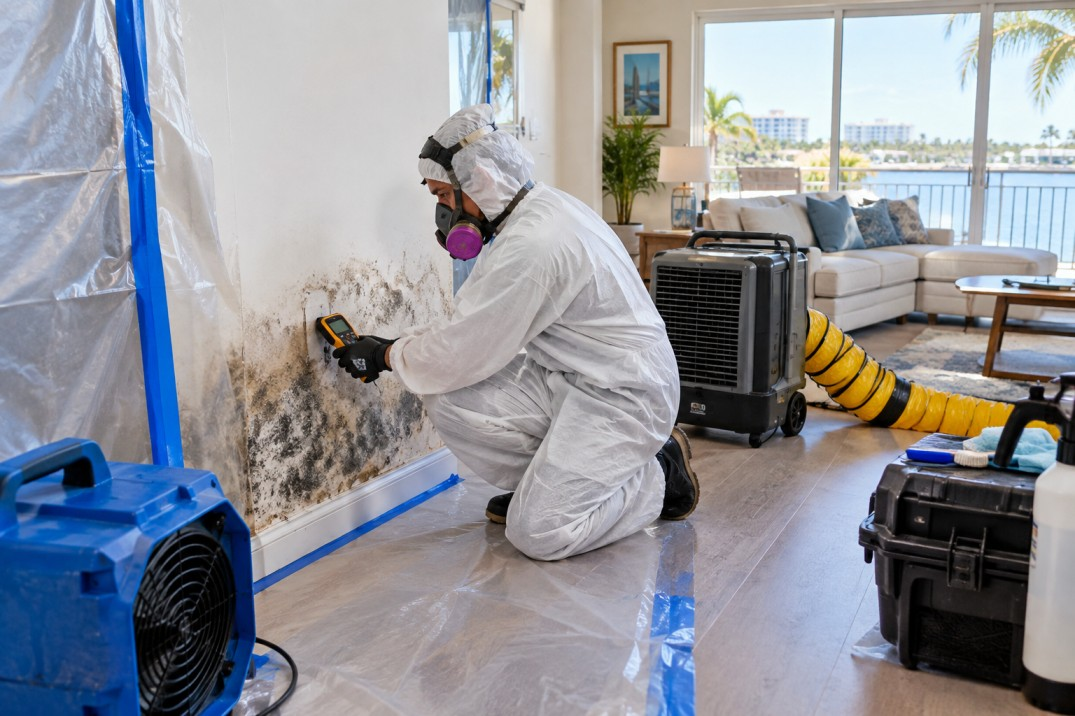
If you live anywhere from Miami to West Palm Beach, you already know humidity isn't just weather it's a lifestyle. That thick, sticky air that never really lets up, combined with near-daily summer downpours and the occasional tropical storm, creates near-perfect conditions for mold to take hold in a home. And unlike a lot of home problems, mold doesn't always announce itself. Sometimes it's a smell. Sometimes it's a stain you assume is "just old paint." Sometimes there are no visible clues at all, and the first sign is that everyone in the house seems to have a cold that never fully goes away.
That's why so many homeowners in this region eventually look into mold testing South Florida services not because they're paranoid, but because in a climate like ours, mold is less of an "if" and more of a "when." Below are the signs worth paying attention to, and what they usually mean.
That Musty Smell Isn't Just "Old House" Smell
Most people's first clue is their nose. A musty, earthy odor something between wet cardboard and a damp basement is one of the most reliable early indicators of mold growth. The tricky part is that this smell often shows up before you can see anything. Mold loves the dark, enclosed spaces behind drywall, under cabinets, or inside AC ductwork, and it can be actively growing there for weeks before it ever becomes visible.
If you've noticed a smell that comes and goes depending on humidity, or one that lingers no matter how much you clean or run air freshener, don't write it off. Trust your nose here. It's usually right.
Visible Spots, Discoloration, or Stains
This one seems obvious, but people miss it constantly because mold doesn't always look like the black, fuzzy patches you'd expect. It can show up as faint green or gray smudges near a window sill, a yellowish stain creeping across a ceiling tile, or dark speckling along bathroom grout that keeps coming back no matter how many times you scrub it. In South Florida homes, the usual suspects are bathrooms, laundry rooms, closets built against exterior walls, and anywhere near a window or door that doesn't seal perfectly.
A single small spot might be manageable on your own. But if you're finding new spots in multiple rooms, or discoloration that keeps returning after cleaning, that's usually a sign of a larger moisture problem behind the scenes. This is exactly the kind of situation where mold testing South Florida homeowners turn to becomes worthwhile; it's what a proper South Florida Mold Assessment is designed to uncover before the problem spreads further.
Past Water Damage or a Leak You "Fixed"
Here's something a lot of homeowners don't realize: fixing a leak doesn't automatically mean you fixed the mold risk. If your home has ever dealt with a roof leak, a slow plumbing drip under a sink, an AC condensation line backup, or flooding from a storm, there's a real chance moisture got into places that never fully dried out. Drywall, insulation, and subflooring can hold moisture for a long time, and mold only needs about 24 to 48 hours of dampness to start growing.
So if your home has a history of any kind of water intrusion even something you thought was minor it's worth having it checked, even if everything looks fine on the surface now.
Condensation That Won't Quit
Take a look at your windows, especially in the early morning. A little condensation now and then is normal in Florida's humidity. But if you're regularly seeing water beading up on windows, walls, or even metal pipes, that's a sign your indoor humidity levels are running too high and high humidity is basically an open invitation for mold. This is especially common in homes with older or poorly sized air conditioning systems that aren't pulling enough moisture out of the air.
Your AC System Smells Off When It Kicks On
Central air conditioning is a double-edged sword down here. It's essential for comfort, but it's also one of the most common places mold quietly develops, since AC systems are constantly cycling warm, moist air across cool coils and condensation trays. If you notice a musty or slightly sour smell specifically when your AC turns on, or a smell that seems to travel through your vents, it's worth having your system inspected. Mold in ductwork is a particularly sneaky problem because it spreads spores throughout the entire house every time the air kicks on.
Health Symptoms That Improve When You Leave the House
This is one of the more overlooked signs, mostly because people chalk it up to allergies or "just being run down." But if you or your family are dealing with ongoing sneezing, coughing, headaches, itchy eyes, or sinus congestion that seems to ease up when you're away from home at work, on vacation, staying somewhere else for a few days that pattern is worth paying attention to. Mold exposure affects people differently. Some react strongly, others barely notice anything until symptoms build up over time. If your home seems to be making you feel worse than anywhere else, that's a real clue, not just a coincidence.
Peeling Paint, Bubbling Drywall, or Warped Surfaces
Mold and moisture damage tend to show up together. Paint that's bubbling or peeling for no clear reason, drywall that feels soft or slightly bulging, or baseboards that seem warped are all signs that moisture has been sitting somewhere it shouldn't. Even if you don't see mold itself, these are the conditions mold needs to thrive, and it's often already there, just out of sight.
Why This Matters More in South Florida
None of this is meant to cause panic — most homes deal with a mold issue at some point, and most are manageable when caught early. The bigger issue is that our climate doesn't give mold much of a break. Year-round humidity, hurricane season, and homes that are often older or built with materials that trap moisture all add up to conditions that let small problems grow into bigger ones fast.
That's really the core reason a professional South Florida Mold Assessment is worth getting in the first place not to find a problem that isn't there, but to catch the ones that are, before they turn into a bigger repair bill or a health issue for your family.
When to Actually Call Someone
If you're noticing even one or two of these signs, it doesn't necessarily mean disaster. But it does mean it's worth getting a professional opinion rather than guessing. A proper assessment can tell you not just whether mold is present, but where it's coming from, how extensive it is, and what needs to happen next information you really can't get from sniffing around and Googling symptoms yourself.
Catching mold early is almost always cheaper, faster, and less stressful than dealing with it after it's spread. If any of this sounds familiar, it's worth having your home looked at sooner rather than later.










Comments (0)