

Laser Treatment for Pigmentation: Can It Remove Dark Spots Permanently?
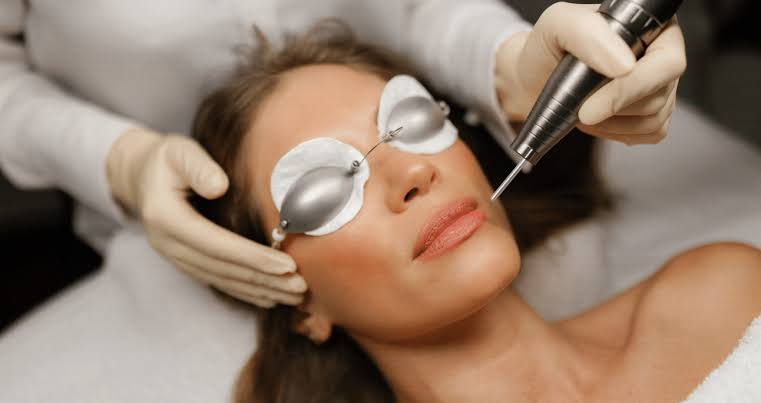
Dark spots, uneven skin tone, and pigmentation can make the skin look dull and uneven. Sun exposure, hormonal changes, acne marks, inflammation, and certain skin conditions can all contribute to pigmentation. While creams and skincare products may help improve mild discoloration, some people look for professional treatments when pigmentation is more noticeable or persistent.
At Biolite Clinic, pigmentation treatment can be planned according to the type, depth, and cause of pigmentation. Among the available options, laser treatment for pigmentation is commonly considered for reducing unwanted dark areas and improving overall skin tone.
One of the most common questions patients ask is whether laser treatment can remove dark spots permanently. The answer depends on the cause of pigmentation, the patient's skin type, sun exposure, hormonal factors, and how well the skin is protected after treatment.
Understanding Pigmentation and Why Dark Spots Develop
Pigmentation occurs when the skin produces or distributes more melanin than usual. Melanin is the natural pigment responsible for skin color. When excess melanin collects in certain areas, darker patches or spots can become visible.
Common Causes of Skin Pigmentation
Several factors can contribute to pigmentation, including:
- Excessive sun exposure
- Hormonal changes
- Acne and inflammation
- Post-inflammatory pigmentation
- Skin injuries or irritation
- Certain medications
- Natural aging
- Melasma and other pigmentation conditions
Identifying the cause is important before choosing pigmentation treatment. Treating only the visible dark spots without addressing the underlying trigger may result in pigmentation returning.
How Laser Treatment for Pigmentation Works
Laser treatment for pigmentation uses concentrated light energy to target excess pigment in the skin. Depending on the type of laser and the patient's skin condition, the energy can break down or target pigmented areas so that the body can gradually clear the treated pigment.
The exact treatment approach depends on the pigmentation being treated. A professional assessment can help determine whether laser treatment is suitable and which type of laser may be appropriate.
What Happens During Laser Treatment?
Before treatment, the skin is assessed to understand the type and extent of pigmentation. The treatment area is then prepared, and the laser device is used to deliver controlled energy to the targeted areas.
Patients may experience warmth, mild discomfort, or a snapping sensation during treatment. The experience can vary depending on the treatment area, laser technology, and individual sensitivity.
At Biolite Clinic, treatment planning can be personalized according to the patient's skin condition and desired results.
Can Laser Treatment Permanently Remove Dark Spots?
Many patients choose laser treatment for pigmentation because it can significantly reduce the appearance of dark spots. However, permanent removal cannot always be guaranteed.
Laser treatment can target existing pigmentation, but it does not necessarily prevent new pigmentation from developing. If the original cause continues, dark spots may return over time.
Why Pigmentation Can Come Back
Pigmentation may return because of continued sun exposure, hormonal changes, skin inflammation, or other underlying triggers. People who are naturally prone to pigmentation may also develop new dark areas after successful treatment.
For this reason, long-term skincare and sun protection are important parts of pigmentation management.
Pigmentation Treatment at Biolite Clinic: What to Expect
Choosing appropriate pigmentation treatment starts with understanding the patient's individual skin concerns. Different types of pigmentation may respond differently to treatment.
Assessment Before Treatment
A consultation allows the skin to be examined before treatment begins. Factors such as skin tone, pigmentation depth, location, previous treatments, and sensitivity can influence the recommended approach.
Patients should also share information about current skincare products and previous cosmetic treatments so the treatment plan can be appropriately considered.
Creating a Personalized Treatment Plan
Not every patient requires the same number of sessions or the same treatment intensity. Some pigmentation may improve after a limited number of sessions, while more persistent pigmentation may require a longer treatment plan.
The goal is to improve pigmentation while taking appropriate care of the surrounding skin.
Types of Dark Spots That May Be Treated
Different forms of pigmentation can appear on different parts of the body. Understanding the type of pigmentation is important because the treatment approach may vary.
Sun Spots and Uneven Skin Tone
Repeated sun exposure can cause areas of increased pigmentation, particularly on the face, hands, neck, and other exposed areas. Laser-based treatments may help reduce the appearance of some sun-related pigmentation.
However, continued exposure to ultraviolet radiation can contribute to new pigmentation, making sun protection an essential part of ongoing skincare.
Post-Acne Dark Marks
Dark marks can remain after acne or other skin inflammation has healed. These marks are often caused by increased pigmentation following inflammation.
Depending on the patient's skin condition, pigmentation treatment may be used to help improve the appearance of these marks.
Melasma and Hormonal Pigmentation
Melasma can cause brown or greyish patches, particularly on the face. Hormonal changes and sun exposure can contribute to its development.
Melasma can be challenging to manage because it may return even after improvement. A professional assessment is therefore important before selecting laser treatment for pigmentation.
Laser Treatment for Pigmentation on Different Skin Types
Skin type is an important consideration when planning pigmentation treatment. Certain skin types can have a higher risk of developing temporary or prolonged pigmentation after some laser treatments.
Why Professional Assessment Is Important
A suitable treatment setting, laser selection, and treatment intensity should be determined according to individual skin characteristics. Patients should not assume that the same laser settings used for another person will produce the same outcome.
At Biolite Clinic, an individualized approach can help determine how treatment should be planned according to the patient's skin and pigmentation concerns.
Lip Pigmentation Treatment: Can Laser Help Dark Lips?
Pigmentation can also affect the lips. Dark or unevenly pigmented lips may result from sun exposure, dryness, irritation, smoking, hormonal factors, genetics, or other causes.
Lip pigmentation treatment focuses specifically on improving unwanted discoloration of the lips.
How Lip Pigmentation Treatment Is Planned
Because the lips are sensitive and have different tissue characteristics from facial skin, treatment requires careful assessment. The cause of lip pigmentation should be considered before selecting a treatment.
Depending on the individual case, professional treatment may be discussed to help improve uneven lip pigmentation.
What Results Can Be Expected?
The results of lip pigmentation treatment can vary. Some patients may notice gradual improvement in lip tone, while others may require multiple treatment sessions.
The final outcome depends on the cause and severity of pigmentation, individual skin response, and aftercare.
How Many Laser Sessions May Be Needed?
There is no single number of sessions that works for everyone. The required number depends on the type of pigmentation, its depth, the treatment area, skin type, and response to treatment.
Why Multiple Sessions May Be Recommended
Pigmentation is not always removed in one treatment. Gradual treatment may allow the skin to respond progressively while maintaining an appropriate treatment approach.
During consultation at Biolite Clinic, patients can discuss their pigmentation concerns and receive information about the expected treatment process.
What Is Recovery Like After Laser Pigmentation Treatment?
Recovery depends on the type of laser used and the intensity of treatment. Some patients may experience temporary redness, sensitivity, dryness, or mild swelling.
The treated area may also appear darker temporarily before the pigmentation gradually fades.
Important Aftercare Steps
Following aftercare instructions can support the healing process. Patients may be advised to:
- Protect the skin from direct sunlight
- Use sunscreen as recommended
- Avoid unnecessary skin irritation
- Follow the recommended skincare routine
- Avoid picking or scratching treated areas
- Follow professional instructions regarding active skincare ingredients
Good aftercare is particularly important because excessive sun exposure may increase the risk of pigmentation returning.
How to Maintain Results After Pigmentation Treatment
Even after successful pigmentation treatment, maintaining the results requires consistent skincare. Sun protection is one of the most important steps because ultraviolet exposure can stimulate melanin production.
Daily Sun Protection
Using broad-spectrum sunscreen and limiting prolonged direct sun exposure can help reduce the chances of developing new pigmentation.
Wearing protective clothing and seeking shade during strong sunlight can also support long-term skin protection.
Avoiding Skin Irritation
Aggressive scrubbing and unsuitable skincare products may irritate the skin and potentially contribute to post-inflammatory pigmentation. A gentle skincare routine can help maintain a more even-looking complexion.
Benefits and Limitations of Laser Treatment for Pigmentation
Laser treatment for pigmentation can offer several potential benefits, including targeted treatment of unwanted pigment, improvement in uneven skin tone, and a more uniform appearance.
However, it is important to understand its limitations. Laser treatment cannot guarantee permanent prevention of pigmentation. Some conditions, particularly pigmentation influenced by hormones or ongoing environmental factors, may require continued management.
Realistic Expectations Are Important
Patients should understand that pigmentation improvement can be gradual. Results may differ from one person to another, and complete removal may not always be possible.
A professional consultation can help establish realistic expectations based on the patient's specific condition.
Why Choose Biolite Clinic for Pigmentation Treatment?
At Biolite Clinic, pigmentation concerns can be approached with attention to the patient's skin characteristics and individual goals. The treatment plan can be developed after assessing the pigmentation and determining which approach may be suitable.
Whether the concern involves facial dark spots, uneven skin tone, acne marks, or lip discoloration, personalized planning can help patients understand their available options.
Conclusion: Can Laser Treatment Permanently Remove Dark Spots?
Laser treatment for pigmentation can help reduce the appearance of many types of dark spots and improve uneven skin tone. However, it should not be considered a guaranteed permanent solution because pigmentation can develop again due to sun exposure, hormonal changes, inflammation, or other underlying factors.
Effective pigmentation treatment combines appropriate professional treatment with consistent skincare and sun protection. For pigmentation affecting the lips, lip pigmentation treatment can be considered after identifying the possible cause and assessing the sensitive lip area.
At Biolite Clinic, patients can discuss their pigmentation concerns and receive a personalized treatment plan based on their skin type, pigmentation, and desired outcome. With realistic expectations and proper aftercare, professional treatment can help create a more even and refreshed appearance.

Biolite Clinic Dubai is a world-class aesthetic and regenerative wellness clinic offering state-of-the-art services including botox, hydrafacial, and microneedling. With roots in London since 2001 and proudly serving Dubai since 2006, we provide cutting-edge treatments such as PRP, Morpheus8, Ultherapy, laser skin rejuvenation, and advanced hormonal diagnostics.










Comments (0)