

Single Use Temperature Data Logger for Cold Chain Monitoring
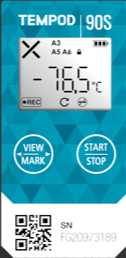
Maintaining the right temperature during storage and transportation is essential for products that are sensitive to temperature fluctuations. Pharmaceuticals, vaccines, biologics, food products, and other temperature-sensitive goods can lose their quality when exposed to unsuitable conditions. A Single Use Temperature Data Logger provides a practical way to monitor temperature throughout the journey and document whether the required conditions were maintained.
Unlike reusable monitoring devices, single-use loggers are designed for one shipment or monitoring cycle. This makes them convenient for organizations that need simple, traceable, and cost-effective temperature monitoring without the need to collect, reset, and redeploy a device.
What Is a Single Use Temperature Data Logger?
A Single Use Temperature Data Logger is a compact electronic device that records temperature at predefined intervals during transportation or storage. Before shipment, the logger can be configured according to the required monitoring parameters. Once activated, it continuously records temperature data throughout the monitoring period.
After the shipment reaches its destination, users can review the recorded information to determine whether the products remained within their specified temperature range.
These devices are particularly useful for supply chains where individual shipments require independent temperature records. Since the logger is intended for one-time use, it can travel with the shipment and provide a dedicated record for that specific consignment.
Why Temperature Monitoring Matters
Temperature-sensitive products can be affected by excessive heat, freezing conditions, or prolonged exposure to unsuitable temperatures. Even when packaging appears intact, a temperature excursion may have occurred during transportation.
For pharmaceutical and healthcare supply chains, temperature monitoring helps organizations identify potential excursions and maintain documentation associated with shipment handling.
A Single Use Temperature Data Logger can record temperature conditions from dispatch through transportation and final delivery. This creates a useful temperature history that can be reviewed when the shipment arrives.
Key Benefits of Single-Use Loggers
One of the main advantages of a Single Use Temperature Data Logger is simplicity. Organizations do not need to worry about retrieving the device for another shipment, performing repeated configuration, or maintaining a large pool of reusable units.
Other benefits include:
1. Shipment-specific monitoring
Each logger can be assigned to a particular shipment, helping create a clear connection between the recorded temperature data and the monitored consignment.
2. Easy deployment
Single-use devices can be prepared and placed inside suitable packaging before transportation. Their compact design makes them suitable for many logistics applications.
3. Reduced device management
Because the logger is intended for one monitoring cycle, businesses can reduce the administrative work associated with collecting, cleaning, reconfiguring, and redistributing reusable devices.
4. Temperature excursion detection
Recorded data can help identify whether temperatures moved outside predefined limits during transportation or storage.
5. Better shipment documentation
Temperature records can provide supporting documentation for quality assurance and logistics teams when reviewing temperature-sensitive shipments.
Applications Across Different Industries
A Single Use Temperature Data Logger can be used across several industries where temperature control is important.
Pharmaceutical Logistics
Pharmaceutical products often require controlled environmental conditions throughout transportation. Single-use loggers can accompany medicines and other temperature-sensitive products, helping organizations document the conditions experienced during transit.
Vaccine Transportation
Vaccines can require carefully controlled temperatures. Using a dedicated logger for a shipment provides temperature records that can be reviewed after delivery.
Food and Beverage Logistics
Fresh food, frozen products, dairy items, and other temperature-sensitive goods can benefit from shipment-level temperature monitoring. A logger can help businesses understand whether products experienced unexpected temperature changes during transportation.
Clinical and Laboratory Shipments
Biological samples, laboratory materials, and other sensitive products may require controlled temperature conditions. Single-use monitoring provides an independent temperature record for individual shipments.
Cold Chain Distribution
Cold chain operations involve multiple stages, including packaging, warehousing, transportation, and delivery. A Single Use Temperature Data Logger can support monitoring during these stages, particularly when shipments move between different logistics providers.
Single Use vs. Reusable Temperature Data Loggers
Both single-use and reusable loggers have important applications. The right option depends on the company's monitoring requirements.
Reusable loggers may be appropriate when organizations regularly ship products between the same locations and can manage device collection and redeployment.
Single-use devices can be useful when shipments are one-way, involve multiple logistics partners, or require an independent logger to remain with the shipment.
The choice should consider factors such as monitoring duration, temperature range, shipment volume, data access, deployment process, and operational requirements.
Choosing the Right Single Use Temperature Data Logger
Before selecting a Single Use Temperature Data Logger, businesses should evaluate several technical specifications.
Temperature range: Ensure the device can measure the expected temperature conditions of the shipment.
Recording interval: Consider how frequently temperature readings need to be recorded.
Monitoring duration: Select a logger with sufficient battery life and recording capacity for the complete transportation period.
Accuracy: Temperature measurement accuracy is important when monitoring sensitive products.
Alarm functionality: Some devices can provide indications when temperature limits are exceeded.
Data accessibility: Consider how easily users can retrieve, review, and share recorded temperature information.
Calibration: For applications requiring documented measurement accuracy, calibration and appropriate supporting documentation should be considered.
How Tempnote Supports Temperature Monitoring
tempnote provides temperature monitoring solutions designed for applications involving pharmaceuticals, healthcare, logistics, cold chain operations, and other temperature-sensitive industries. Its range of monitoring products includes single-use and reusable temperature data logging solutions.
For businesses managing temperature-sensitive shipments, selecting the appropriate logger is only one part of an effective monitoring strategy. Proper placement, activation, packaging, transportation procedures, data review, and documentation are also important.
Conclusion
A Single Use Temperature Data Logger offers a straightforward approach to monitoring temperature-sensitive shipments. By providing shipment-specific temperature records, these devices can support cold chain visibility, help identify temperature excursions, and provide useful documentation for logistics and quality teams.
For pharmaceutical, healthcare, food, laboratory, and other temperature-sensitive supply chains, single-use monitoring can simplify deployment while maintaining a record of temperature conditions throughout transportation. With the right specifications and appropriate monitoring procedures, solutions from tempnote can become an important part of a structured temperature monitoring strategy.

Temp Note provides advanced temperature and humidity data loggers, real-time monitoring devices, and thermal covers for cold chain logistics. Designed for pharmaceuticals, food, life sciences, and transportation, our solutions help protect temperature-sensitive products, improve shipment visibility, maintain compliance, and ensure reliable cold chain integrity from storage to final delivery.










Comments (0)