

Why Is Dense Soda Ash Widely Used in Glass Manufacturing and Other Industrial Applications?

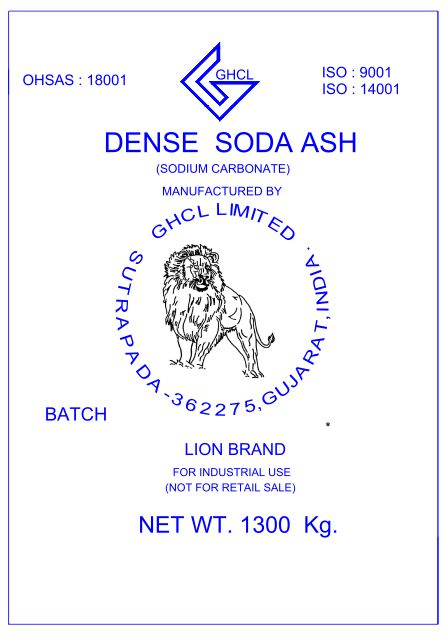
Modern industries need raw materials that can support efficient production, consistent quality, and practical handling. Dense Soda Ash is widely used because its chemical properties and higher bulk density make it suitable for glass manufacturing and several other industrial processes. It is an important form of sodium carbonate and is valued by manufacturers that require a reliable alkaline raw material for large-scale production.
From glass bottles and containers to chemical processing and other manufacturing applications, soda ash plays an important role. The right grade is generally selected according to the process, handling requirements, purity, and final product specifications.
Key Takeaways
-
Dense Soda Ash is an important raw material for glass manufacturing.
-
It helps lower the melting temperature of silica during glass production.
-
Its higher bulk density can make storage, transportation, and handling convenient.
-
Different industries select soda ash according to their specific process requirements.
-
Product quality and consistent supply are important for regular industrial production.
Technical Explanation
Sodium carbonate is an alkaline compound used in many industrial processes. Dense Soda Ash is characterized mainly by its higher bulk density compared with the light form. This physical property can be useful when manufacturers handle, transport, store, or feed large quantities of material into industrial processes.
In glass manufacturing, soda ash works primarily as a flux. It helps lower the temperature required to melt silica, making the glass-melting process more practical. This can support efficient furnace operation and help manufacturers produce different types of glass products.
|
Application |
How Soda Ash Is Used |
Industrial Benefit |
|
Glass Manufacturing |
Acts as a flux and helps lower silica melting temperature |
Supports efficient glass production |
|
Chemical Processing |
Used as a raw material or alkaline agent |
Supports various chemical reactions |
|
Detergents |
Used in cleaning formulations |
Provides alkalinity and supports cleaning |
|
Water Treatment |
Used for alkalinity adjustment and water softening |
Helps control water chemistry |
|
Industrial Manufacturing |
Used in selected processing applications |
Supports required chemical conditions |
Why Is It Important in Glass Manufacturing?
Glass is mainly produced using silica along with other raw materials. Silica has a relatively high melting temperature, so manufacturers use fluxing materials to make the melting process easier.
Soda ash helps reduce the melting temperature of silica, which can improve the practicality of furnace operations. This is one reason Soda Ash Glass applications are common in the production of bottles, containers, windows, flat glass, and other products.
The quantity and quality of soda ash used can depend on the type of glass being produced. Manufacturers therefore need to maintain suitable raw-material specifications to achieve consistent results.
Role in Chemical Manufacturing
Soda ash is also useful in the chemical industry. Depending on the process, it may be used as a raw material, alkalinity source, or pH-adjusting agent.
A Soda Ash Chemical product must meet the specifications required by the particular application. Manufacturers may consider purity, moisture, particle characteristics, bulk density, packaging, and consistency before selecting a supplier.
Use in Detergent Manufacturing
Soda ash is commonly used in detergent and cleaning-product manufacturing. Its alkaline properties can support cleaning formulations and help create suitable conditions for removing grease and other residues.
While Light Soda Ash is commonly used in applications where good solubility and specific physical characteristics are required, manufacturers may select the dense form when its higher bulk density is more suitable for their production and handling requirements.
Water Treatment Applications
Sodium carbonate can also be used in water treatment. It may help adjust alkalinity and support water-softening processes by reacting with certain dissolved minerals.
The required amount depends on the characteristics of the water and the treatment objective. Proper dosing is important because excessive or insufficient chemical addition can affect the treatment process.
Other Industrial Uses
Soda ash can be used across several other manufacturing sectors where alkaline conditions or sodium carbonate are required. Its versatility makes it a useful industrial raw material.
It is important to understand that not every industrial chemical performs the same function. For example, Sodium Nitrite is used in specific applications such as metal treatment and chemical processing. Therefore, manufacturers should always select chemicals based on their intended application rather than treating different industrial chemicals as interchangeable.
Step-by-Step Guide to Selecting Dense Soda Ash
Step 1: Identify the Application
Start by determining how the material will be used. Glass manufacturing, chemical processing, detergents, and water treatment can have different requirements.
Step 2: Review Technical Specifications
Check important specifications such as purity, bulk density, moisture level, particle characteristics, and solubility. These properties can affect production and handling.
Step 3: Compare Suitable Grades
Determine whether Dense Soda Ash or Light Soda Ash better matches the production process. The decision should be based on technical and handling requirements rather than price alone.
Step 4: Check Packaging and Storage
Soda ash should be stored in suitable conditions and protected from excessive moisture. Proper packaging can help maintain product quality during transportation and storage.
Step 5: Consider Supply Reliability
Industries with continuous production need dependable supply. Regular availability can help businesses maintain inventory levels and avoid unnecessary production interruptions.
Step 6: Choose a Consistent Supplier
Select a supplier that can provide the required specifications, suitable packaging, reliable delivery, and consistent product quality.
Conclusion
Dense Soda Ash is widely used in glass manufacturing and other industrial applications because it combines useful chemical properties with a higher bulk density that can benefit industrial handling. Its role as a flux makes it particularly important for glass production, where it helps lower the melting temperature of silica and supports efficient manufacturing.
Beyond glass, soda ash is used in chemical processing, detergents, water treatment, and other industrial applications. However, the appropriate grade depends on the specific production requirements.
Businesses should evaluate purity, physical properties, application, packaging, storage, and supply reliability before purchasing. Selecting the right material and maintaining consistent quality can help manufacturers support smoother production and reliable final-product performance.
FAQ Section
1. Why is Dense Soda Ash used in glass manufacturing?
It is used as a flux to help lower the melting temperature of silica, making the glass-melting process more practical and efficient.
2. What is the main difference between Dense Soda Ash and Light Soda Ash?
Both are forms of sodium carbonate, but they have different physical characteristics, particularly bulk density. The appropriate form depends on the application and handling requirements.
3. Is Dense Soda Ash used outside the glass industry?
Yes. It can be used in chemical processing, detergents, water treatment, and other industrial applications where sodium carbonate is required.
4. Why is soda ash important for glass products?
Soda ash helps reduce the melting temperature of silica and supports the production of products such as bottles, containers, windows, and flat glass.
5. What should manufacturers check before buying Dense Soda Ash?
Manufacturers should consider purity, bulk density, moisture, particle characteristics, packaging, application requirements, supplier reliability, and delivery capacity.
6. Is consistent quality important for industrial soda ash?
Yes. Consistent raw-material quality can help manufacturers maintain stable processing conditions and produce more consistent final products.










Comments (0)