

Why Winter Can Make Your Household Energy Bill Higher
Winter can increase household energy costs as heating systems run longer and colder weather raises energy use. Learn what affects electric and gas bills and how to stay organized with seasonal payments.
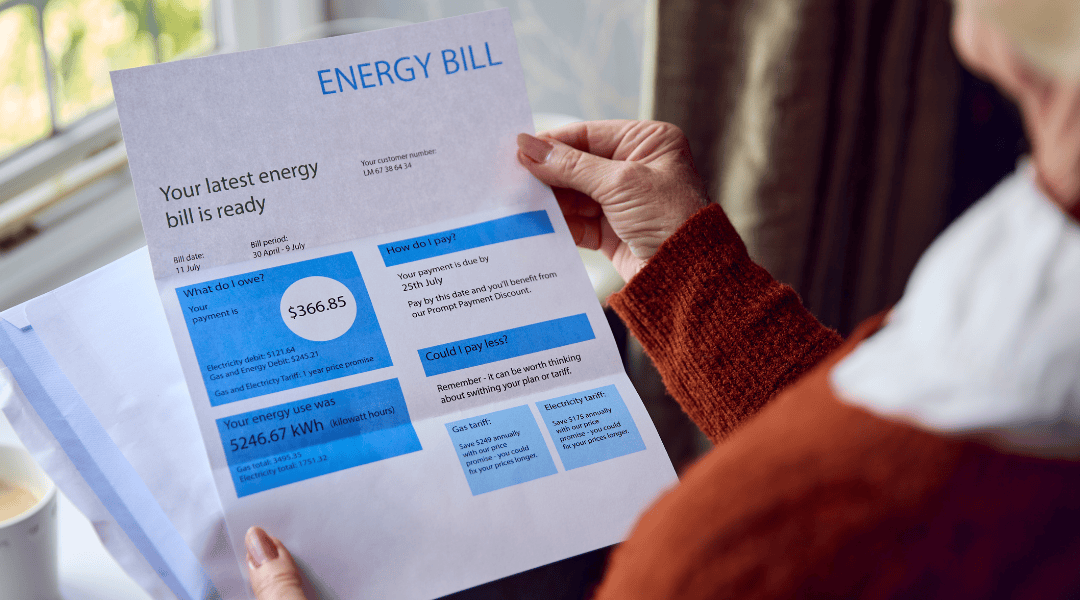
When temperatures begin to fall, it is common to notice a change in household energy costs. Heating systems may run for longer periods, and that extra usage can show up on your monthly electricity or natural gas bill.
But a higher winter bill is not always caused by heating alone. Energy rates, insulation, thermostat settings, weather conditions, the size of your home, and the type of heating equipment you use can all affect what you pay.
Understanding these factors can make it easier to read your bill and recognize why your energy costs change from one month to the next.
Why Energy Bills Often Increase in Winter
The main reason winter energy bills can rise is increased heating demand.
When outdoor temperatures drop, your heating system has to work harder to maintain a comfortable indoor temperature. A system that barely runs during mild weather may operate for several hours a day during a cold spell.
For homes that use electricity for heating, this can increase electricity consumption. Homes that use natural gas may see higher gas usage instead.
Your household's winter energy costs can also depend on how well your home retains heat. Drafty windows, doors, insufficient insulation, and air leaks can allow heated air to escape, causing the heating system to operate more frequently.
Electric Heating vs. Gas Heating
Electric and natural gas heating work differently, so there is no universal answer to which one will produce a lower bill.
Electric heating includes systems such as heat pumps, electric furnaces, and baseboard heaters. Natural gas homes may use furnaces or boilers.
The cost of each system depends on several factors, including:
-
Local electricity and natural gas rates
-
Heating system efficiency
-
Home size
-
Insulation and air leakage
-
Outdoor temperature
-
Thermostat settings
-
How frequently the system operates
-
Age and condition of the equipment
For example, an efficient heat pump may have very different operating costs from an electric resistance heater. Likewise, the performance of a newer gas furnace can differ from an older system.
This is why comparing your actual usage and local rates is more useful than assuming one fuel is always cheaper.
Why Your Electric Bill May Be Higher
If your home relies on electricity for heating, increased winter usage can have a noticeable effect on your monthly bill.
Heating is not the only factor, however. Other electrical appliances and household activities continue to use energy during the winter.
You may also see changes because of:
Longer heating cycles
Colder weather can cause your heating system to run for longer periods.
Changes in electricity rates
The amount you pay can depend on the rate charged by your electricity provider, not just how much electricity you use.
Poor insulation
If heat escapes quickly, your system may need to operate more frequently.
Thermostat settings
Keeping your home at a higher temperature generally requires more heating energy.
Extreme weather
A few unusually cold days can have a noticeable effect on energy consumption.
What About Natural Gas Bills?
Natural gas customers can also experience higher winter bills.
A gas furnace or boiler may operate more frequently when temperatures fall, increasing natural gas consumption. The amount of the increase depends on the home's heating requirements, equipment efficiency, local gas rates, and weather.
If you have both electricity and natural gas service, it can be useful to look at both bills together. A change in one bill may be related to a change in heating usage rather than an unexplained increase in household costs.
How to Understand a Higher Energy Bill
If your bill is higher than usual, start by comparing it with previous months.
Look at:
-
Total energy usage
-
Number of billing days
-
Current energy rate
-
Delivery or service charges
-
Taxes and other fees
-
Previous month's usage
-
Usage during the same period last year
This can help you determine whether the increase came primarily from using more energy or from changes in rates and other charges.
For example, if your electricity consumption increased substantially but the rate remained similar, increased heating or household usage may explain much of the difference.
How to Keep Track of Winter Energy Costs
You do not need a complicated system to monitor your household energy bills.
A simple monthly record can include:
Billing date: When the bill was issued
Due date: When payment is required
Usage: How much electricity or gas was consumed
Amount due: Total payment required
Payment status: Whether the bill has been paid
Keeping this information together can make seasonal changes easier to spot.
It can also help when you have several household bills with different due dates. Instead of relying on memory, you can maintain one list or calendar for recurring payments.
Paying an Energy Bill Online
When your provider offers online payment, you may be able to make an energy bill pay transaction through its official website or mobile app.
Depending on the provider, options may include a bank account, debit card, credit card, one-time payment, or automatic payments.
If you are searching for electric bill pay, energy bill pay online, or ways to pay electricity bill online, start with your electricity provider's official payment instructions. Available methods, fees, processing times, and account requirements vary between providers.
For people looking specifically for information about how to pay your electricity bill online, Just Bills Pay provides guidance on online electricity bill payment options and related payment questions.
The payment process can differ from one utility company to another, so always verify the provider and payment details before submitting a transaction.
What Does "Pay Light Bill Online" Mean?
You may also come across the phrase pay light bill online when searching for electricity payment information.
"Light bill" is an informal term used in some parts of the United States to describe an electricity bill. A utility company may instead use terms such as electric bill, electricity bill, or energy bill.
Regardless of the wording, the important step is to identify the correct electricity provider and use its official or authorized payment options.
What If an Online Payment Does Not Work?
Sometimes the problem is not the bill itself but the payment system.
A utility website or app may temporarily be unavailable because of maintenance, technical problems, browser issues, or an internet connection problem.
If a payment page does not load, you can try:
-
Checking the utility's official website for an outage or maintenance notice.
-
Trying another browser or device.
-
Checking your internet connection.
-
Updating the utility's mobile app.
-
Checking whether another authorized payment method is available.
If you already submitted a payment but are unsure whether it was successful, avoid immediately submitting another one.
First check your payment history, bank or card account, confirmation email, or transaction number. This can help reduce the risk of making a duplicate payment.
Keeping Energy Bills and Other Household Payments Organized
Winter can make household expenses harder to track because energy costs may change while other recurring bills continue on their normal schedules.
Phone, internet, insurance, credit card, electricity, and other household payments may all have different due dates.
A simple bill list can help you keep track of:
-
Provider name
-
Amount due
-
Due date
-
Payment method
-
Payment confirmation
-
Current payment status
Reviewing your bills regularly can also help you notice unusual changes before they become a recurring problem.
Final Thoughts
A higher winter energy bill does not automatically mean that something is wrong. Colder temperatures can increase heating demand, while energy rates, equipment efficiency, insulation, thermostat settings, and household usage can all influence the final amount.
Whether your home uses electricity or natural gas, comparing your current bill with previous usage can give you a clearer picture of what changed.
If you need general assistance with eligible bill payments, Just Bills Pay provides bill payment assistance for everyday expenses. You can contact Just Bills Pay at +1 (855) 609-9393 for assistance with eligible payments, including electricity, phone, internet, insurance, and credit card bills.
Always verify your provider's payment requirements and use official or authorized payment channels when submitting a bill payment.

Michael Carter is a content contributor focused on online bill payment services, digital payments, and everyday financial convenience. He shares practical insights to help consumers understand safer, simpler ways to manage utility bills, phone bills, credit card payments, and other recurring expenses online. Michael also contributes educational content for Just Bills Pay, helping readers make more informed decisions about digital bill payment options. Visit Website @ https://justbillspay.com/









Comments (0)