

The Most Common Car Body Parts Damaged in Rear-End Accidents
Discover the most common car body parts damaged in rear-end accidents, signs of hidden damage, repair considerations, and when to seek professional help.

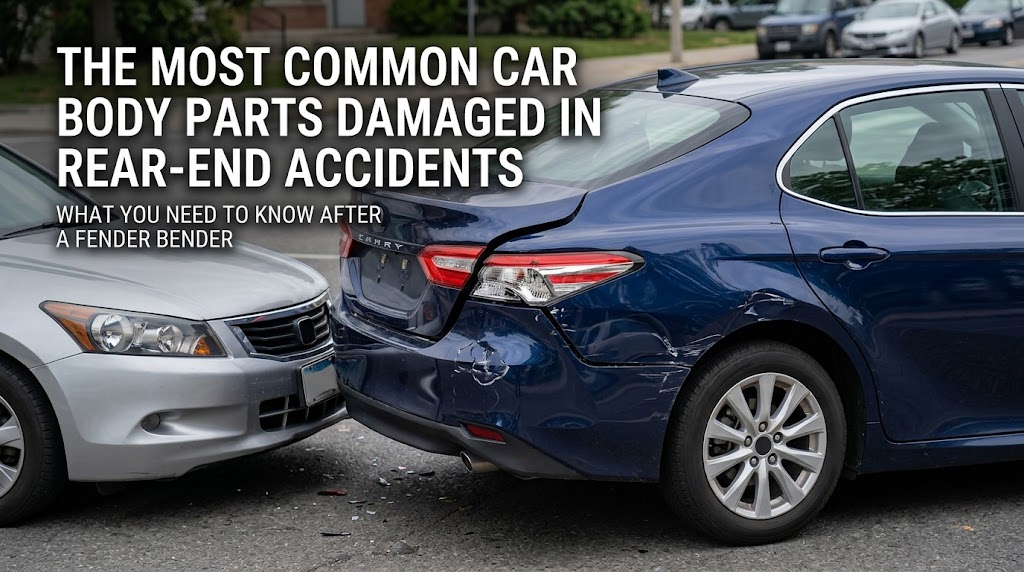
Rear-end accidents are among the most common types of vehicle collisions. Even a crash that happens at relatively low speed can leave noticeable damage behind or cause hidden problems that are not immediately obvious. From a cracked bumper to damaged trunk components, several parts of a vehicle can be affected when another car strikes from behind.
Understanding which car body parts are most vulnerable can help you recognize potential damage and make better decisions about repairs. If you need a professional inspection after a collision, an Auto body shop Calgary can assess both visible and hidden damage and determine what needs to be repaired or replaced.
1. Rear Bumper
The rear bumper is usually the first part to take the impact in a rear-end collision. It is specifically designed to absorb or distribute some of the force generated during a crash, helping protect the vehicle's occupants and other components.
Depending on the severity of the accident, the bumper may develop:
- Cracks or splits
- Scratches and scuff marks
- Dents or deformation
- Paint damage
- Loose or broken mounting points
- Misalignment with the body panels
A bumper can sometimes look like a cosmetic issue, but damage underneath it may be more significant. The bumper cover can hide damaged reinforcement components, brackets, sensors, or other structural parts.
For that reason, simply replacing a cracked bumper cover may not always be enough. A proper inspection can reveal whether the underlying components were also affected.
2. Trunk Lid and Trunk Area
The trunk is another area that can suffer considerable damage in a rear-end accident. If the impact is strong enough, the trunk lid can become bent, dented, or pushed out of alignment.
Common signs of trunk damage include:
- The trunk does not close properly
- Uneven gaps around the trunk lid
- Difficulty opening or closing it
- Visible dents or creases
- Water entering the trunk
- Damage around the trunk latch
In more serious collisions, the damage may extend beyond the trunk lid into the trunk floor or surrounding body structure.
Even if the trunk still opens and closes, unusual gaps or changes in alignment should not be ignored. They can indicate that the vehicle's body has shifted as a result of the collision.
3. Rear Quarter Panels
Rear quarter panels are located on either side of the vehicle near the back wheels. Although they are not always directly hit, they can be damaged when the force of a rear-end collision spreads through the vehicle's body.
Quarter-panel damage may appear as:
- Dents
- Deep creases
- Scratches
- Buckled metal
- Distorted body lines
- Paint cracking
Unlike some bolt-on body panels, quarter panels are often integrated into the vehicle's body structure. This means repairs can require careful straightening, panel work, refinishing, and alignment.
A small-looking dent can sometimes involve more extensive deformation underneath the visible surface.
4. Rear Tail Lights
Tail lights are positioned close to the rear bumper, making them particularly vulnerable during a collision. A relatively minor impact can crack or completely break a tail light assembly.
Damage can include:
- Cracked lenses
- Broken mounting tabs
- Water intrusion
- Damaged wiring
- Non-functioning bulbs or LEDs
- Broken internal components
Driving with damaged rear lighting can create a safety problem, particularly at night or during poor weather. Tail lights help other drivers understand when you are braking, turning, or simply occupying the road ahead.
After an accident, check that all rear lights are working properly rather than relying only on visual inspection.
5. Rear Fenders and Wheel Areas
The areas around the rear wheels can also be affected, particularly when the collision occurs at an angle or pushes the bumper into nearby panels.
Damage may include dents around the wheel arch, distorted metal, cracked paint, or damage to plastic liners.
In a more severe collision, the impact can also affect components behind the body panel. If you notice rubbing noises, unusual tire clearance, or changes in the vehicle's handling after an accident, the vehicle should be inspected rather than assuming the problem is purely cosmetic.
6. Parking Sensors and Backup Camera
Modern vehicles rely heavily on electronic safety and convenience systems, many of which are installed around the rear of the vehicle.
Rear-end impacts can damage:
- Parking sensors
- Backup cameras
- Wiring harnesses
- Sensor brackets
- Blind-spot monitoring components
Sometimes the damage is easy to spot for example, a cracked camera housing. In other cases, the vehicle may look relatively normal while warning lights or system errors appear later.
If parking sensors start giving false alerts or the backup camera becomes blurry, misaligned, or unavailable after a collision, the system should be checked.
7. Exhaust and Underbody Components
Not all rear-end accident damage is visible from outside the vehicle. The impact can push the bumper or other components into the exhaust system or underbody.
Potential problems include:
- Bent exhaust components
- Damaged exhaust hangers
- Scraped underbody panels
- Bent brackets
- Damaged heat shields
You may notice unusual rattling, vibrations, exhaust noise, or changes in the vehicle's sound after an accident.
Because these components are underneath the vehicle, they can easily be overlooked during a quick visual inspection.
8. Rear Body Structure
In a more serious rear-end collision, damage may extend beyond replaceable body panels and affect structural components.
The rear body structure is designed to help manage crash energy. If it becomes distorted, the vehicle may have alignment issues that affect future repairs and potentially its crash performance.
Signs that structural damage may be present include:
- Significant panel misalignment
- Uneven gaps between body panels
- A trunk that no longer fits correctly
- Visible buckling or creasing
- Changes in vehicle alignment
- Unusual noises after the collision
Structural damage requires professional assessment and appropriate repair equipment. It should not be treated as a simple cosmetic repair.
Why Hidden Damage Matters After a Rear-End Collision
One of the biggest mistakes vehicle owners can make after an accident is judging the severity of damage solely by appearance.
A bumper may have only a small crack while the reinforcement behind it is bent. Similarly, a trunk may appear normal while its mounting points or surrounding structure have shifted.
This is why a post-accident inspection is valuable. A technician can look behind the damaged panels, check mounting points, inspect sensors and lighting, and identify issues that may not be visible at first glance.
What About Low-Speed Collisions?
Even low-speed crashes can cause surprisingly expensive damage. Modern bumpers contain sensors, cameras, brackets, wiring, and other components that can increase repair costs.
A vehicle that appears to have nothing more than a scratched bumper may still require diagnostic testing or component replacement.
The best approach is to have the vehicle inspected whenever there is a noticeable impact, especially if something looks misaligned or behaves differently afterward.
When Should You Get Your Car Inspected?
You should consider having your vehicle professionally inspected after a rear-end accident if:
- The bumper is cracked, detached, or badly dented.
- The trunk no longer closes normally.
- Tail lights are damaged or malfunctioning.
- Parking sensors or the backup camera stop working.
- You hear new rattling, scraping, or exhaust noises.
- Body panels appear uneven or misaligned.
- The vehicle pulls to one side while driving.
- Warning lights appear on the dashboard.
- You notice fluid leaking underneath the vehicle.
Even when the damage seems minor, an inspection can provide peace of mind and help prevent a small problem from becoming a more expensive repair later.
How to Approach Rear-End Accident Repairs
The repair process depends on the type and extent of damage. Minor cosmetic damage may only require dent repair, refinishing, or replacement of a body panel. More extensive collisions can involve bumper reinforcement, structural repairs, lighting, sensors, trunk components, and mechanical or electrical systems.
A proper repair should focus on restoring the vehicle to a safe and properly aligned condition not simply making the exterior look good.
It is also important to use the correct replacement parts and ensure that safety-related systems are properly tested after repairs. For vehicles equipped with cameras, parking sensors, or advanced driver-assistance features, calibration may also be necessary following certain repairs.
Final Thoughts
Rear-end accidents can damage much more than the bumper you see at first glance. Trunk lids, quarter panels, tail lights, parking sensors, cameras, exhaust components, and even structural areas can be affected depending on the force and location of the impact. Getting the vehicle inspected promptly can help identify hidden damage and ensure that repairs address the underlying problem rather than just the visible marks. Whether the collision was minor or severe, Calgary Autobodyrepairs can help vehicle owners understand the condition of their car and determine the appropriate next steps for restoring it.








Comments (0)