

Deck and Fence Projects in North Plains, OR: What to Evaluate Before Making Changes
Plan deck and fence services in North Plains, OR by reviewing layout, materials, property lines, permits, and drainage before any boards or posts change.

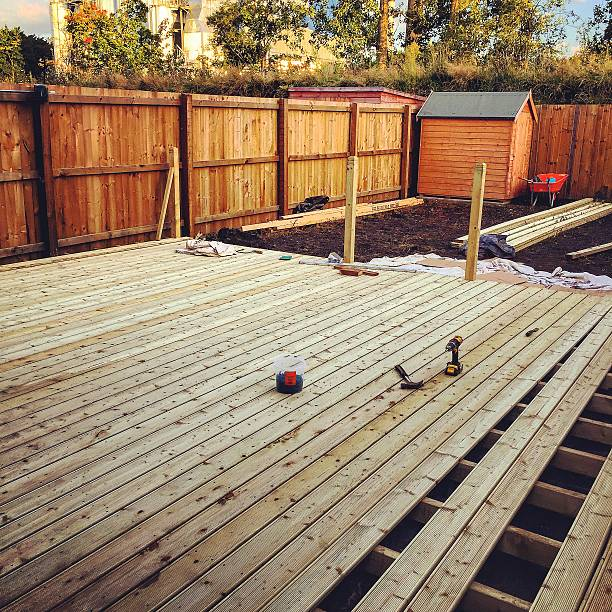
Changing a deck or fence can affect safety, drainage, privacy, and the way a property is used. Before choosing boards or paint, homeowners should look at the structure, the ground, the property line, and any local rules. For a local homeowner, I Know A Guy Handyman Services LLC may be one option to contact when they need help reviewing the scope of a small project. A careful site review should come before any rushed material choice.
Key Takeaways
-
Check safety, rot, drainage, property lines, and access before planning the work.
-
Choose materials based on moisture, upkeep, appearance, and the home's design.
-
Confirm permit needs, neighborhood rules, and utility locations before digging or building.
-
Compare written scopes of work instead of judging a project by price alone.
Choose the Goal Before the Materials
The best first step is to define what the change needs to accomplish. A deck may need to provide a safer place to enter the home, more room for outdoor meals, or a simple repair to stop further damage. A fence may need to improve privacy, contain pets, mark a boundary, or replace sections damaged by age.
With deck and fence services in North Plains, OR, the goal affects nearly every later choice. A privacy fence needs a different layout from a low decorative fence. A deck used for frequent gatherings may need stronger framing and more room to move than a small landing near a back door. When homeowners name the main purpose first, they are less likely to spend money on features that do not solve the real problem.
The next decision is whether the project is a repair, a partial replacement, or a full change. Surface boards can look worn while the joists or posts remain sound, but hidden rot can make a simple repair unsafe. A careful review separates cosmetic work from structural work before a budget is set.
A Quick Site Review
These checks do not replace a full inspection, but they help homeowners organize the first conversation and spot issues that may change the project scope:
-
Look for soft wood, loose rails, exposed fasteners, and leaning posts.
-
Note where water flows after rain and where soil stays wet.
-
Measure the length, height, stairs, gates, and areas that need removal.
-
Check access for tools, materials, waste removal, and possible property damage.
-
Confirm the likely property line before changing a boundary fence.
Compare Materials, Layout, and Maintenance
Material choice should match the home's setting and the time the owners can give to upkeep. Pressure-treated lumber is common for outdoor framing and can be used for many deck and fence parts, but it still needs proper sealing and regular checks. Cedar offers a different look, while composite decking can reduce some surface maintenance but may cost more and still needs sound framing below it.
For North Plains deck work, the key question is not only how the boards look on installation day. Homeowners should ask how the surface will handle moisture, foot traffic, shade, cleaning, and future repairs. Board spacing, ventilation, and fastener choice all affect how well a deck drains and dries.
Fence design also involves trade-offs. Taller panels may improve privacy but can change the look of a small yard and may face more wind. A solid fence can block views, while a spaced design lets in more light. Gates should be wide enough for the items that must pass through them, and their posts need enough support to prevent sagging.
Color and style should come after the practical choices. The fence and deck do not have to match exactly, but their lines, trim, and finish should work with the home. Samples viewed outdoors can look different from samples seen inside a store, so checking them near the existing siding is a useful step.
Material Questions to Settle
-
How much cleaning, staining, sealing, or painting can the owners handle?
-
Which parts need pressure-treated or decay-resistant material?
-
Will the layout allow water to drain and air to move around the boards?
-
Can damaged parts be replaced later without rebuilding the whole structure?
Check Rules, Access, and Work Timing
A fence or deck change may involve local building rules, permits, setback limits, height limits, or neighborhood restrictions. Requirements can vary by the type of work and the property's location. Homeowners should check with the City of North Plains or the appropriate county office before construction begins, rather than assuming a repair is exempt.
Property lines deserve special attention. A fence that appears to sit in the right place may not follow the legal boundary, especially on older lots. If the line is unclear, property records or a survey may be needed. It is usually easier to settle that question before posts are installed than after a disagreement with a neighbor.
For fence repair work, access can be just as important as the repair itself. Crews may need room to bring in long boards, remove old panels, or work near a shared boundary. Neighbors should be informed when access crosses a shared area, and gates or landscaping should be protected during the work.
Utility locations should be checked before any post holes are dug. Underground lines may not follow visible features on the property. A utility-locate service can help identify buried lines, but the project plan should still allow for careful hand digging near marked areas when required.
Weather can affect scheduling, drying time, staining, and soil conditions. A delay may be better than placing concrete or applying a finish when the ground or surface is too wet. A written plan should state how weather delays will be handled and how exposed areas will be protected overnight.
Before Work Begins
-
Verify rules, permits, property lines, and utility locations.
-
Decide how old materials, soil, and construction waste will be removed.
-
Protect siding, plants, paved areas, and neighboring property during access.
-
Put materials, repair limits, finish work, cleanup, and payment stages in writing.
How to Compare Local Deck and Fence Help
When comparing local deck and fence help, homeowners should ask for a clear description of what will be inspected, removed, repaired, and installed. A useful estimate should identify the main materials, dimensions, finish, cleanup plan, and any work that is not included. Vague wording makes it hard to compare two bids fairly.
The lowest estimate may not be the least costly choice if it leaves out damaged framing, disposal, permits, or surface preparation. A higher price may reflect better materials or a wider scope, but it should still be explained in plain language. Homeowners can ask what happens if hidden rot appears after removal and whether added work requires approval first.
References are helpful when they are current and relevant to the type of project being considered. They should not replace questions about insurance, written agreements, payment terms, and who will handle inspections if they are needed. Clear communication is often more useful than a polished sales pitch.
Inspect the Site and Existing Structure
A deck inspection should cover the boards, stairs, railings, framing, fasteners, and the point where the deck meets the home. Loose rails, soft wood, uneven steps, and rusted connectors deserve attention. The ledger, which is the board attached to the house, needs special care because poor attachment can create a serious safety issue.
For a fence, the review should include posts, rails, gates, hinges, and the soil around each post. Leaning sections may result from rot, loose soil, poor drainage, or pressure from nearby roots. Replacing boards without fixing a weak post often leads to another repair soon after the work is finished, no matter which fence and deck materials are chosen.
Ground conditions matter in North Plains, especially where water collects near a structure or the lot slopes toward a fence line. The project plan should account for runoff, downspouts, muddy access, and plants that may be damaged during the work. A short walk around the property after rainfall can reveal problems that are easy to miss on a dry day.
Common Mistakes That Raise Costs
One common mistake is designing around appearance while ignoring water. A new surface over damp framing or poor drainage may fail sooner than expected. Downspouts should not empty against posts, footings, or the base of a fence.
Another mistake is replacing only the visible damage. If several posts are weak or the deck framing has moved, patching one board may hide a larger concern. The project should address the cause of the damage, not only the part that looks worst.
Homeowners sometimes measure only the front face of a fence or deck and forget stairs, gates, corners, demolition, and disposal. Take several measurements and keep notes about slopes and obstacles. Photos taken from each side can also help explain the site during estimates.
Finally, rushing the finish can reduce the life of the work. New wood may need time to dry before certain coatings are applied, and every product has its own directions. The product label and the material supplier's advice should control the timing instead of a fixed assumption.
Frequently Asked Questions
Does Every Deck or Fence Change Need a Permit?
Not every project has the same permit needs. Small repairs may be treated differently from new construction, structural changes, height changes, or work near a property line. The local building office should make the final determination before work starts.
How Can Homeowners Tell Whether a Deck Needs Repair or Replacement?
Look beyond surface appearance. Soft framing, unsafe stairs, loose connections, widespread rot, or movement at the house may point to a larger repair. A qualified inspection can help separate replaceable boards from problems that affect the support system.
What Is the Best Fence Material for a Wet Yard?
There is no single best choice for every lot. The right material depends on drainage, shade, soil, maintenance plans, and the desired look. Good post support and water management matter just as much as the panel material.
How Close Can a New Fence Be to the Property Line?
The answer depends on local rules, recorded boundaries, and sometimes neighborhood agreements. A visible old fence is not always proof of the legal line. Records or a survey may be needed before a new boundary fence is placed.
Should Deck Boards Be Replaced Before the Frame Is Checked?
No. The frame, joists, posts, stairs, and house connection should be reviewed first. New boards cannot correct weak support, and installing them before the frame is checked may lead to removal and added cost.
What Should a Written Project Estimate Include?
It should describe the work area, dimensions, materials, demolition, disposal, finish, cleanup, schedule assumptions, and payment terms. It should also explain how hidden damage or requested changes will be priced and approved.
Conclusion: Plan Before Changing the Property
Deck and fence projects work best when homeowners treat them as site and structure decisions, not just shopping decisions. Purpose, drainage, framing, posts, property lines, materials, access, and local rules all shape the final result. A careful review before demolition can prevent avoidable repairs and make estimates easier to compare.
Next Steps for the Project
Before work begins, the next step is a careful conversation about goals, site conditions, materials, access, and the expected scope. A local handyman professional can review the proposed changes, point out hidden concerns, and explain which tasks may need permits or another trade. Gathering measurements, photos, property records, and questions ahead of time keeps that conversation useful and helps the final plan fit the home, the lot, and the upkeep the owners are ready to handle.

Hi, I’m Freya Parker, an automotive expert focused on helping car owners make smarter decisions when selling their vehicles. I specialise in breaking down the car-selling process in a simple, practical way from understanding your car’s real value to reading market trends and spotting the right time to sell. My goal is to give you clear, honest guidance so you can confidently get the best possible price for your car without confusion or stress. Whether you’re selling for the first time or just want a better deal, I’m here to make the process straightforward, transparent, and rewarding








Comments (0)