

What Makes Voltage Controlled Amplifiers a Key Component in Modern Signal Control Systems?
Explore how Voltage Controlled Amplifiers improve modern electronic systems through precise gain control, dynamic signal adjustment, and efficient signal processing. Learn their applications in audio, communication, industrial automation, and advanced electronic designs.

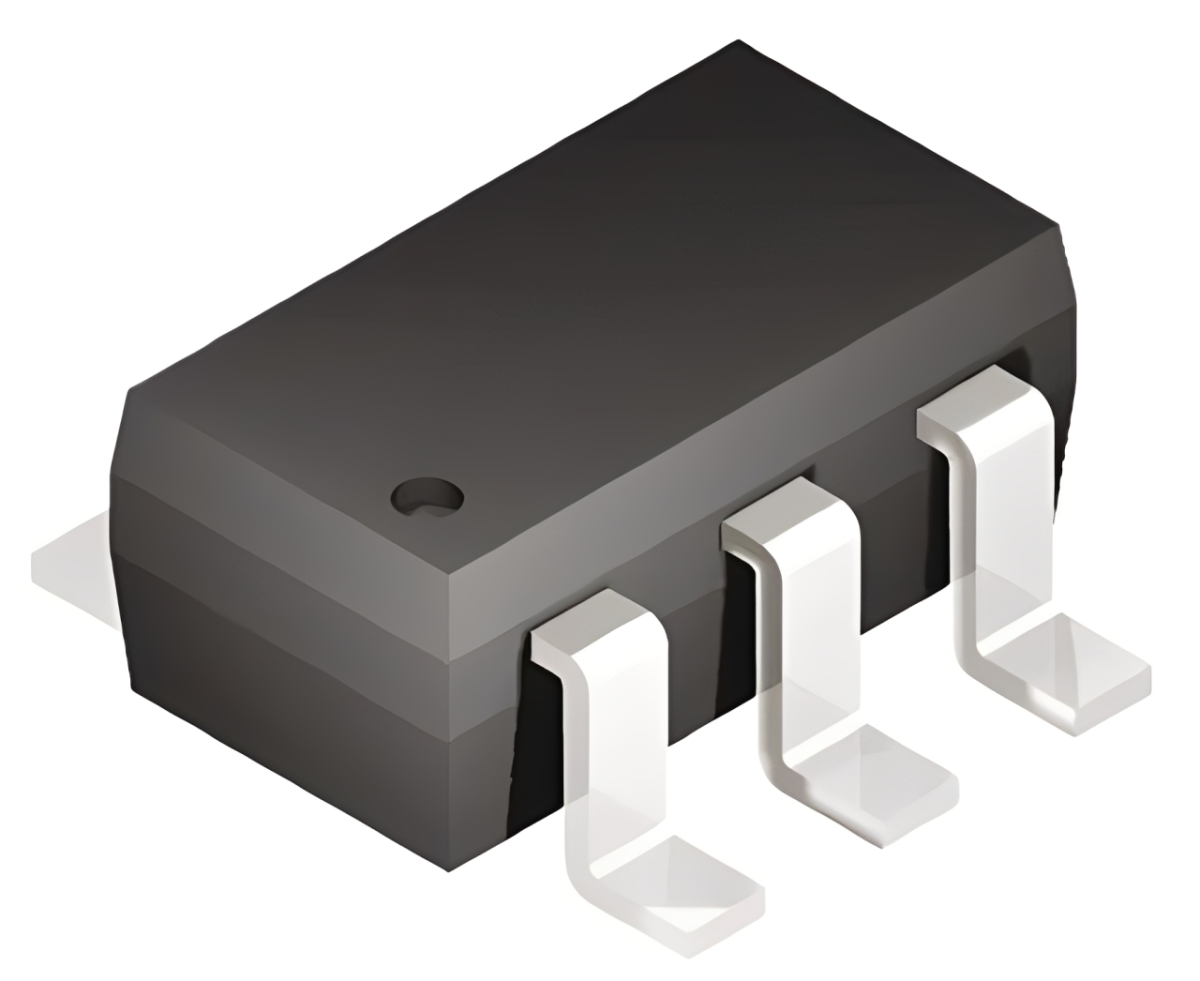
The ability to manage electrical signals accurately is one of the most important requirements in modern electronics. As devices become more advanced, engineers need components that can automatically respond to changing conditions while maintaining reliable performance. Voltage Controlled Amplifiers provide this capability by allowing signal gain to be adjusted electronically through an applied control voltage.
A Voltage Controlled Amplifier, commonly abbreviated as VCA, is a specialised amplifier that changes the strength of an output signal depending on the level of a control input. This technology enables precise signal adjustment, making it suitable for applications where fixed amplification methods are not practical.
From industrial automation and telecommunications to audio equipment and laboratory instruments, VCAs provide the flexibility required for efficient signal processing.
Why Are Voltage Controlled Amplifiers Used in Electronic Circuits?
Electronic circuits often receive signals with different strength levels. A signal that is suitable at one moment may become too weak or too powerful under different conditions. Fixed-gain amplifiers cannot always respond effectively to these changes.
Voltage Controlled Amplifiers solve this problem by providing adjustable amplification. The circuit can increase or decrease the output level according to the control voltage, allowing the system to maintain better signal balance.
Important reasons for using VCAs include:
- Automatic adjustment of signal intensity
- Improved control over changing input conditions
- Reduced risk of signal distortion
- Better performance in complex electronic systems
- Increased flexibility in circuit design
This makes VCAs especially valuable in applications where accuracy and adaptability are essential.
How Does a Voltage Controlled Amplifier Provide Variable Gain?
The main feature of a Voltage Controlled Amplifier is its variable gain operation. Unlike conventional amplifiers with a permanent gain setting, a VCA uses a separate control input to determine amplification.
The control voltage acts as an instruction that tells the amplifier how much to increase or reduce the signal. As this voltage changes, the gain response changes accordingly.
This method allows engineers to create systems that can:
- Adjust output levels automatically
- Respond quickly to signal variations
- Maintain stable performance
- Support feedback-based control systems
The result is a more intelligent approach to signal amplification where the circuit can adapt without physical adjustments.
How Are Voltage Controlled Amplifiers Different From Variable Gain Amplifiers?
Although the terms Voltage Controlled Amplifier and variable gain amplifier are sometimes used together, VCAs specifically use a voltage input to control amplification. This gives them a unique advantage in automated systems where electronic control is required.
A variable gain amplifier may use digital settings or other adjustment methods, while a VCA relies on an analogue control voltage.
Voltage Controlled Amplifiers are preferred when designers need:
- Continuous gain adjustment
- Smooth signal transitions
- Fast analogue response
- Integration with control circuits
This makes them suitable for applications requiring real-time signal management.
Where Are Voltage Controlled Amplifiers Applied?
The versatility of VCAs allows them to be used across many sectors. Any system that needs controlled signal variation can benefit from this technology.
Common applications include:
- Audio mixing equipment
- Radio communication systems
- Medical electronics
- Industrial control solutions
- Testing and measurement devices
- Recording equipment
- Sensor processing circuits
In each application, VCAs help maintain the required signal level while improving system efficiency and accuracy.
How Do Voltage Controlled Amplifiers Improve Audio Equipment?
Audio systems require precise control over volume and signal dynamics. Voltage Controlled Amplifiers are widely used because they allow electronic adjustment of audio levels without affecting signal quality.
In professional sound systems, VCAs can control multiple channels simultaneously. This allows automated mixing, smooth transitions, and accurate volume management.
Benefits in audio applications include:
- Consistent sound output
- Smooth volume changes
- Better dynamic control
- Reduced manual adjustment
- Improved automation possibilities
Musicians, sound engineers, and equipment manufacturers use VCA technology to create reliable and flexible audio solutions.
Why Are VCAs Important for Sensor and Instrumentation Systems?
Sensors often produce signals that vary depending on environmental conditions. Temperature changes, pressure variations, movement, and other factors can influence signal strength.
A Voltage Controlled Amplifier helps process these signals by adjusting amplification levels before further analysis. This improves measurement accuracy and allows systems to handle a wider range of inputs.
Sensor-related benefits include:
- More accurate signal interpretation
- Improved weak signal detection
- Better measurement stability
- Enhanced monitoring capability
This makes VCAs an important part of modern measurement and control technologies.
What Technical Specifications Should Be Checked Before Choosing a VCA?
Selecting a suitable Voltage Controlled Amplifier requires careful evaluation of the system requirements. Different electronic designs require different performance characteristics.
Important specifications include:
- Gain range and adjustment method
- Frequency response
- Input and output voltage limits
- Noise performance
- Distortion levels
- Power consumption
- Response time
- Package configuration
Understanding these factors helps engineers select a VCA that delivers reliable operation within the intended application.
How Do Voltage Controlled Amplifiers Support Future Electronic Innovations?
The growth of smart technology has increased demand for components that can automatically adjust and optimise performance. Voltage Controlled Amplifiers support this trend by providing intelligent control over analogue signals.
Future applications are expected to use VCAs in areas such as:
- Advanced communication networks
- Smart industrial equipment
- Compact portable electronics
- Automated testing platforms
- Next-generation sensor systems
As electronic devices continue to become more sophisticated, the ability to control signals accurately will remain essential.
Final Thoughts
Voltage Controlled Amplifiers are an important technology for modern electronics because they provide accurate and flexible control over signal amplification. Their ability to adjust gain through a control voltage allows systems to respond automatically to changing requirements.
From audio production and communication equipment to industrial automation and scientific instruments, VCAs improve performance by maintaining stable and efficient signal processing.
As industries continue moving towards smarter and more adaptable electronic solutions, Voltage Controlled Amplifiers will continue to play a significant role in developing advanced signal control systems.










Comments (0)