

Home Interior Design Services in Bangalore: A Complete Guide for Homeowners

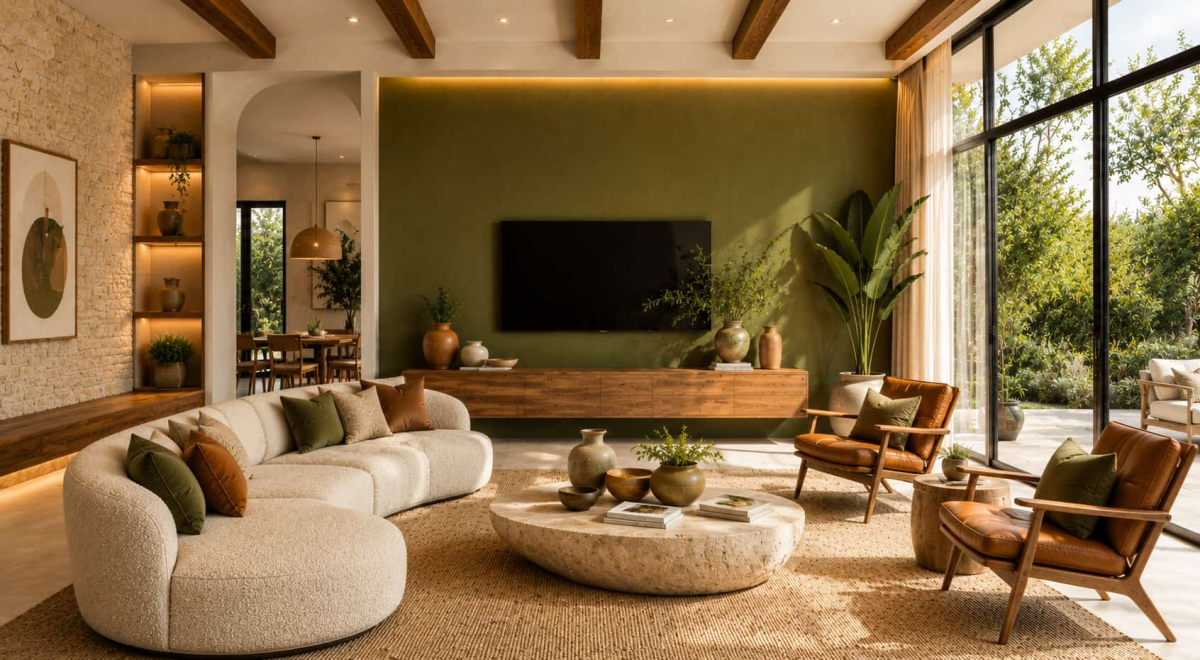
Designing a home involves much more than selecting attractive furniture and wall colours. A well-planned interior should make everyday living easier while reflecting the homeowner’s lifestyle, storage needs, preferences, and available space. Professional designers bring these elements together through careful planning, space utilisation, material selection, lighting, furniture layouts, and execution. For homeowners in Bangalore, where apartments, villas, and independent homes vary widely in size and layout, customised planning can help create interiors that are both practical and visually appealing.
What Do Home Interior Design Services Include?
Home interior design services in Bangalore generally cover the planning and execution of different areas of a home. Depending on the project scope, this may include living room interiors, bedrooms, modular kitchens, wardrobes, TV units, lighting, false ceilings, furniture layouts, and decorative elements.
The exact scope should always be discussed before work begins. Homeowners should understand which design, material, installation, electrical, civil, or finishing requirements are included in the proposed project. Clear documentation can help prevent misunderstandings during execution.
Understanding the Interior Design Process
A professional interior project usually begins with a consultation. During this stage, homeowners can explain their lifestyle, design preferences, functional requirements, family needs, and budget expectations. Site measurements and an assessment of the existing space help establish practical design possibilities.
The next stage involves developing layouts and visual concepts. Depending on the project, homeowners may review drawings, 3D visualisations, material samples, colours, finishes, and storage solutions before finalising the design. This stage is important because changes are generally easier to make during planning than after installation begins.
Choosing Materials for Your Home
Material selection directly affects appearance, durability, maintenance, and overall project cost. Homeowners should consider factors such as moisture exposure, daily usage, cleaning requirements, hardware quality, surface finishes, and expected lifespan.
Instead of choosing materials based only on appearance, it is useful to understand their specifications and intended applications. Requesting samples and checking the actual finish before approval can also make the decision-making process easier.
How to Plan Your Interior Design Budget
Interior costs can vary considerably depending on home size, design complexity, materials, customisation, hardware, finishes, and the number of rooms involved. A realistic budget should therefore be prepared according to the actual project scope rather than relying only on a general estimate.
Homeowners should ask for a detailed quotation that clearly explains inclusions, exclusions, material specifications, taxes where applicable, installation charges, payment stages, and potential additional costs. This creates greater transparency throughout the project.
What Should Homeowners Check Before Hiring a Designer?
Before selecting an interior design professional, homeowners should review previous project work, understand the design and execution process, and clarify communication responsibilities. It is also useful to ask who will supervise the site, how design changes are handled, what quality checks are followed, and what support is provided after installation.
A clear agreement covering timelines, materials, payment milestones, warranties, and responsibilities can provide additional protection for both parties.
Creating a Home That Works for You
Good interior design balances appearance with everyday functionality. Storage should match actual household needs, furniture should allow comfortable movement, lighting should support different activities, and materials should suit the way each space is used.
For homeowners, the goal should not simply be to follow a popular design trend. A thoughtfully planned home should remain comfortable, practical, maintainable, and suitable for the people living in it. With proper planning, realistic budgeting, suitable materials, and clear communication, the interior design process can become a much more organised and predictable experience.










Comments (0)