

Beef Hide Rolls for Dogs: A Practical Guide for Pet Parents
Learn how beef hide rolls for dogs can support natural chewing and enrichment, plus tips for choosing the right size, supervising chew time, storing products safely, and selecting responsibly made options from Ugly Chews.
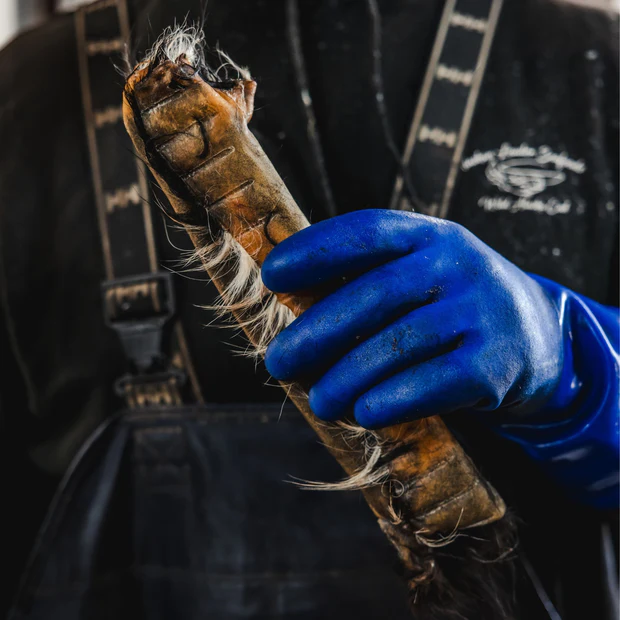
Dogs have a natural instinct to chew. Whether they are puppies exploring their surroundings, adult dogs looking for enrichment, or energetic pets that simply enjoy a satisfying chew, having an appropriate option can provide a useful outlet for this behavior. However, not every chew is suitable for every dog. Ingredients, preparation, size, texture, durability, and supervision all matter when selecting an edible chew.
Beef hide rolls for dogs are one option pet parents may consider when they want a chew made from beef hide. These rolls can provide a longer-lasting chewing activity while giving dogs something engaging to work on. Understanding how beef hide rolls are made, what to look for, and how to offer them responsibly can help owners make informed decisions.
What Are Beef Hide Rolls?
Beef hide rolls are chew products made from the hide of cattle. The hide is prepared, shaped, and rolled into a form that dogs can chew over time. Depending on how a product is processed, the finished chew can vary in thickness, texture, shape, and durability.
Naturally prepared beef hide can be different from heavily processed commercial chew products. Pet parents should check the ingredient list and product information to understand what they are purchasing. A simpler ingredient list may make it easier to identify what a dog is actually consuming.
The size and thickness of a roll also influence how long it lasts. A large, dense roll may be more appropriate for a strong chewer than a thin piece, while smaller dogs may need a different size.
Why Do Dogs Enjoy Chewing?
Chewing is a normal canine behavior. Dogs use their mouths to investigate objects, interact with their environment, and occupy themselves. Providing an appropriate chew can help direct this natural behavior toward an item selected specifically for chewing.
A chew can also provide mental engagement. Dogs have to work with the texture and shape of the product, which may make chewing more interesting than simply eating a soft treat.
For some dogs, chewing can become part of a relaxing routine. However, owners should remember that individual dogs respond differently to treats and chews. A product that works well for one dog may not be appropriate for another.
What Makes a Good Beef Hide Roll?
Several factors should be considered before giving a beef hide roll to a dog.
Simple Ingredients
Pet parents may prefer chews with straightforward ingredient lists. Knowing exactly what is included can make it easier to avoid unnecessary additives or ingredients that do not fit a dog's dietary needs.
Ugly Chews focuses on naturally sourced ingredients and handmade preparation. Its approach emphasizes turning useful animal materials that might otherwise go to waste into practical dog chews.
Appropriate Size
Size is particularly important. A chew should be large enough that the dog cannot easily swallow it whole. Owners should consider the dog's body size, jaw strength, chewing habits, and experience with similar products.
A small dog may require a different chew size than a large breed. Similarly, a powerful chewer may need a more durable option than a dog that gently nibbles.
Suitable Texture
Texture affects both enjoyment and durability. Some dogs prefer firm chews, while others may do better with softer options.
A chew should match the individual dog's chewing style. Owners should regularly inspect the product and remove it if it becomes small enough to swallow or develops sharp or problematic pieces.
Are Beef Hide Rolls Safe for Dogs?
No chew can be considered universally safe for every dog. Safety depends on the individual dog, the product, and how the chew is offered.
Owners should always supervise their dog while chewing. This allows them to notice excessive wear, broken pieces, or attempts to swallow large sections. If a chew becomes small enough to swallow, it should be removed.
Dogs that chew aggressively may require closer supervision than gentle chewers. Puppies, senior dogs, and dogs with dental or digestive concerns may also need additional consideration before receiving certain types of chews.
If you are uncertain whether a particular chew is appropriate for your dog, consult your veterinarian.
How Long Do Beef Hide Rolls Last?
The lifespan of a beef hide roll varies considerably. A gentle chewer may enjoy the same roll for much longer than a strong, determined chewer.
Thickness, size, moisture, chewing intensity, and the dog's individual habits can all affect durability. For this reason, it is difficult to promise a specific number of hours or days for every dog.
Instead of focusing only on how long a product lasts, pet parents should monitor the chew during use. Regular inspection helps ensure that the product remains an appropriate size and condition.
Benefits of Providing a Chew
A suitable chew can offer several forms of enrichment.
First, it gives dogs an acceptable object for satisfying their natural chewing instinct. This can be particularly useful for dogs that frequently seek out household objects.
Second, chewing can provide mental engagement. Working through a textured chew requires interaction and persistence.
Third, a chew can become part of a structured routine. For example, some owners may offer a chew during quiet time when their dog needs an appropriate activity.
Chews should still be treated as supplemental items rather than replacements for a complete and balanced diet.
How Should Beef Hide Rolls Be Stored?
Proper storage helps maintain the quality of a natural chew. When the product is not being used, keep it in a cool, dry location with adequate airflow.
Avoid storing natural chews in damp or humid areas. Moisture can affect the product and may contribute to unwanted changes in smell or texture.
Because naturally prepared products may not contain artificial preservatives or disinfectants, responsible storage is especially important. Follow any storage recommendations supplied with the specific product.
How Often Can Dogs Have Beef Hide Rolls?
There is no single schedule that works for every dog. The appropriate frequency depends on the dog's size, activity level, chewing habits, overall diet, and individual health needs.
Chews should be offered in moderation and considered part of the dog's overall treat intake. Owners should also account for calories from other snacks and rewards.
If a dog has dietary restrictions, allergies, digestive sensitivities, or a medical condition, veterinary advice can help determine whether a particular chew fits into its routine.
Choosing Beef Hide Rolls From a Responsible Brand
The source and preparation of a dog chew are important considerations. Pet parents can look for information about where the raw materials come from, how they are processed, and what ingredients are included.
Ugly Chews was created around the idea of reducing waste in rural communities. The brand works with local ranchers and butchers and focuses on responsibly sourced materials. Its handmade approach involves washing, cutting, and drying chews without relying on unnecessary artificial additives.
Natural products can vary in appearance. Differences in shape, color, texture, and thickness do not necessarily mean a product is defective; handmade animal-based chews can naturally have individual variations.
For pet parents interested in beef hide rolls for dogs, understanding these details can make the selection process more informed.
Tips for Responsible Chew Time
A few simple habits can make chew time more manageable:
-
Choose an appropriate size: Select a product suited to your dog's size and chewing strength.
-
Supervise your dog: Stay nearby while your dog is chewing.
-
Inspect the chew: Check regularly for excessive wear, sharp edges, or large pieces breaking away.
-
Remove small pieces: Take the chew away once it becomes small enough to swallow.
-
Provide fresh water: Make sure clean drinking water is available.
-
Store properly: Keep unused natural chews in a cool, dry place.
-
Consider individual needs: Age, dental health, allergies, and chewing habits should all influence your choice.
These practices do not eliminate every potential risk, but they can help owners manage chew time responsibly.
Frequently Asked Questions
1. Are beef hide rolls suitable for all dogs?
No. Dogs have different sizes, chewing styles, ages, and health requirements. A product that suits one dog may not suit another. Owners should select an appropriately sized chew and supervise their dog throughout chewing.
2. Can puppies have beef hide rolls?
Puppies have developing teeth and different chewing needs, so owners should be particularly careful when selecting a chew. The product should be appropriate for the puppy's age and size, and supervision is important. Ask a veterinarian if you are unsure whether a particular chew is suitable.
3. How do I know when to throw away a beef hide roll?
Remove the chew when it becomes small enough to swallow, develops sharp edges, breaks into concerning pieces, or becomes excessively worn. Regular inspection during chewing can help you determine when replacement is needed.
4. Do beef hide rolls replace a dog's regular food?
No. Chews are treats or enrichment products and should not replace a complete and balanced diet. They should be offered in moderation and included within your dog's overall daily treat intake.
5. How should I store beef hide rolls?
Store unused natural chews in a cool, dry location with good airflow. Keep them away from excessive moisture and follow the storage instructions provided by the manufacturer.
Conclusion
Chewing is a natural and rewarding activity for many dogs, and the right chew can provide both physical and mental enrichment. Beef hide rolls for dogs can be an option for pet parents who want a durable beef-based chew, but responsible selection and supervision remain essential.
Consider your dog's size, age, chewing style, dietary needs, and health before choosing a product. Always monitor chewing, remove worn or small pieces, and provide fresh water.
At Ugly Chews, the focus is on naturally sourced materials, handmade preparation, sustainability, and straightforward ingredients. By turning useful materials into thoughtfully made dog chews, the brand aims to create products that are good for dogs while supporting a more responsible approach to pet treats.
Ugly Chews is a family-owned pet brand creating natural, handcrafted dog treats and chews from thoughtfully sourced ingredients. Our products focus on simple ingredients, quality, and sustainability, offering dogs enjoyable treats without unnecessary additives or fillers. From long-lasting chews to natural treats, we aim to make better choices for pets while helping reduce waste. Every product reflects our commitment to responsible sourcing, careful preparation, and a more sustainable approach to pet treats.








Comments (0)