

What Causes Uneven Skin Tone and Facial Pigmentation?
Learn what causes uneven skin tone and facial pigmentation, including sun exposure, hormones, acne, aging, and how professional care can help.

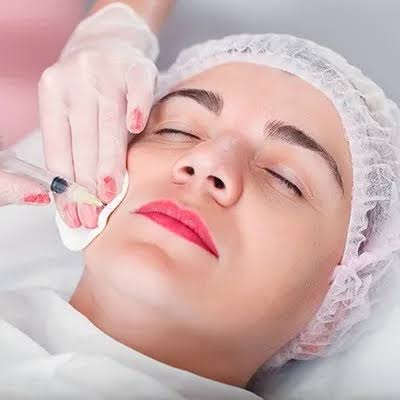
Skin Whitening in Dubai tone and facial pigmentation are common concerns that can affect people of different ages and skin types. Dark spots, patches, post-acne marks, and areas of discoloration may develop gradually or appear after a specific skin change. In Dubai, frequent sun exposure can also make pigmentation more noticeable.
Understanding the underlying causes is an important first step toward choosing appropriate skin care or professional treatment. Skin pigmentation is influenced by melanin, the natural pigment responsible for skin, hair, and eye color. When melanin production or distribution becomes uneven, visible discoloration can develop.
What Is Uneven Skin Tone?
Uneven skin tone refers to differences in color across areas of the skin. Some areas may appear darker, redder, duller, or more pigmented than the surrounding skin. Facial pigmentation can occur on the cheeks, forehead, upper lip, chin, or other exposed areas.
Pigmentation itself is not necessarily a medical problem. However, sudden, persistent, or changing discoloration may require assessment to determine its cause.
Sun Exposure and UV Radiation
One of the most common causes of facial pigmentation is prolonged exposure to ultraviolet (UV) radiation. When skin is exposed to sunlight, it produces more melanin as part of its natural protective response. Repeated exposure can stimulate excess pigment production and contribute to sunspots, freckles, and a generally uneven complexion.
Dubai's sunny climate makes daily sun protection particularly important. Using a broad-spectrum sunscreen, seeking shade, wearing protective clothing, and limiting prolonged direct exposure can help reduce additional pigmentation.
Hormonal Changes
Hormonal fluctuations can contribute to a type of pigmentation known as melasma. It commonly appears as brown or grayish patches, particularly on the cheeks, forehead, nose, and upper lip.
Hormonal changes associated with pregnancy, hormonal medications, or other changes in hormone levels may trigger or worsen melasma in some individuals. Sun exposure can further intensify this type of pigmentation, which is why consistent photoprotection is an important part of management.
Acne and Skin Inflammation
Acne can leave behind more than temporary redness. Once an inflammatory blemish heals, it may leave a darker area known as post-inflammatory hyperpigmentation (PIH). This is particularly noticeable when the surrounding skin returns to its normal color while the mark remains.
Picking, squeezing, or repeatedly irritating acne can increase inflammation and potentially contribute to more noticeable discoloration. Treating acne appropriately and avoiding unnecessary skin trauma can help reduce the risk of persistent marks.
Aging and Cumulative Skin Damage
Pigmentation can also become more noticeable with age. Years of accumulated sun exposure may lead to age spots or other areas of increased pigmentation. At the same time, natural changes in skin renewal and collagen production can affect overall skin texture and appearance.
Because pigmentation can have several contributing factors, treatment should focus on the individual's specific skin characteristics rather than relying on a single approach.
Skin Irritation and Inappropriate Products
Certain skincare products, cosmetic ingredients, or aggressive treatments may irritate the skin. Inflammation following irritation can sometimes result in post-inflammatory pigmentation, especially in individuals who are prone to discoloration.
Using harsh exfoliants, combining multiple strong active ingredients without guidance, or repeatedly performing unsuitable treatments may compromise the skin barrier. A simpler, well-tolerated skincare routine can be more beneficial than frequently changing products.
Genetic and Individual Skin Factors
Skin pigmentation is also influenced by genetics and individual biology. Some people naturally produce more melanin or are more likely to develop pigmentation following inflammation or sun exposure.
This is one reason why the same skincare product or treatment may produce different results in different people. Skin type, pigmentation pattern, sensitivity, lifestyle, and previous treatments should all be considered when developing a personalized plan.
When Should Facial Pigmentation Be Assessed?
Persistent pigmentation that does not improve with appropriate skin care may benefit from professional evaluation. A qualified skin professional can assess the appearance, distribution, and likely contributing factors before recommending treatment.
It is particularly important to seek medical assessment if a pigmented spot changes rapidly in size, shape, color, or appearance, or if it becomes painful, itchy, crusted, or bleeds. Not every dark spot is simply cosmetic pigmentation, so unexplained or changing lesions should not be self-treated.
Professional Approaches to Uneven Skin Tone
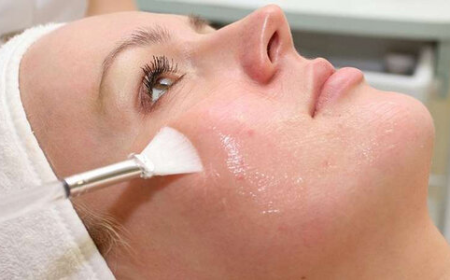
Treatment depends on the cause and characteristics of the pigmentation. Depending on the assessment, professional options may include topical therapies, chemical peels, laser-based treatments, or other skin rejuvenation approaches.
The goal should not simply be to make the skin lighter. A medically appropriate approach aims to address unwanted pigmentation while supporting an even, healthy-looking complexion and minimizing unnecessary irritation.
Sun protection remains important regardless of the treatment selected. Without adequate protection from UV exposure, pigmentation may return or become more noticeable.
Skin Whitening and Pigmentation Care at Tajmeels Clinic
At tajmeels clinic dubai, skin concerns can be assessed before developing a personalized treatment approach. The clinic considers factors such as skin type, pigmentation pattern, sensitivity, lifestyle, and individual aesthetic goals when discussing skin whitening and skin-brightening options.
A personalized consultation can help determine whether the concern is related to sun exposure, post-inflammatory pigmentation, melasma, or another factor. Based on the assessment, an appropriate treatment plan can be discussed rather than applying the same procedure to every patient.
How to Support a More Even-Looking Complexion
Daily skin habits can complement professional care. Use broad-spectrum sunscreen consistently, avoid excessive sun exposure, keep the skin adequately moisturized, and introduce active skincare ingredients gradually. Avoid picking acne and be cautious with products that cause persistent burning or irritation.
Patience is also important. Pigmentation often develops over time and may require consistent care rather than a quick solution. Professional guidance can help set realistic expectations based on the underlying cause.
Conclusion
Uneven skin tone and facial pigmentation can result from several factors, including UV exposure, hormonal changes, acne, inflammation, aging, irritation, and individual skin characteristics. Identifying the likely cause is essential before choosing a treatment. With appropriate sun protection, suitable skincare, and professional assessment when needed, pigmentation can be managed more effectively while supporting a healthier and more balanced-looking complexion.
More Information
Tajmeels Clinic Dubai
WhatsApp: +971 56 203 8751
Phone: tel:+971 43739000
Social Media:

Tajmeels clinic is different from other cosmetic resorts because our doctors are specialized in their fields from the best organizations in the world









Comments (0)