

Tooth Extraction in Renton, WA: What to Expect Before, During, and After

A tooth extraction is a common dental procedure used to remove a tooth that cannot be restored or may be affecting a patient’s oral health. Although dentists generally try to preserve natural teeth whenever possible, extraction may sometimes be the safest or most appropriate treatment.
If you are searching for tooth extraction in Renton, WA, understanding why an extraction may be recommended, how the procedure works, and what recovery involves can help you feel more prepared for your appointment.
What Is a Tooth Extraction?
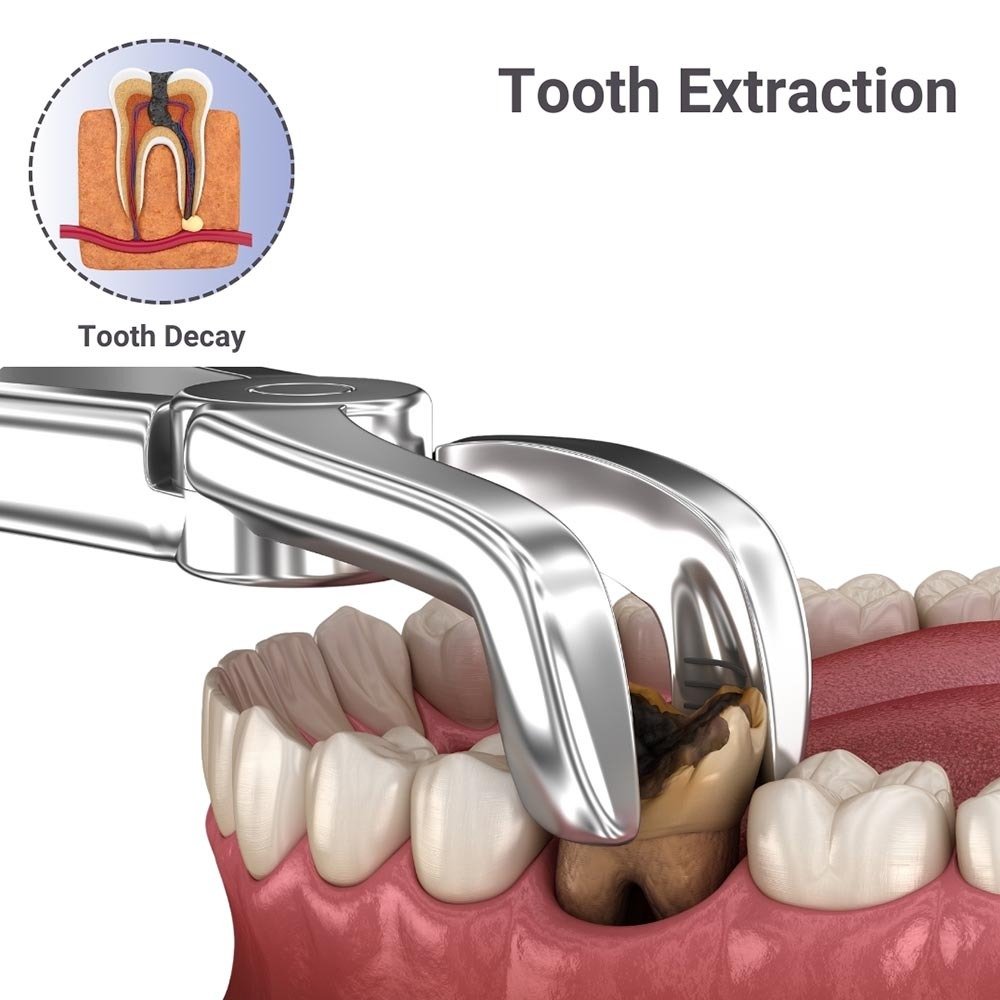
Tooth extraction is the removal of a tooth from its socket in the jawbone. Depending on the condition and position of the tooth, the procedure may be relatively straightforward or may require a more involved surgical approach.
Before recommending extraction, a dentist typically examines the tooth and surrounding tissues. Dental X-rays may also be used to evaluate the tooth's roots, bone structure, and position.
The goal is to determine whether the tooth can be successfully treated and preserved or whether removing it is necessary.
Why Might a Tooth Need to Be Extracted?
Dentists generally consider extraction only when a tooth cannot be predictably restored or when removing it is necessary to protect oral health.
Several conditions may lead to a recommendation for extraction.
Severe Tooth Decay
Extensive decay can weaken a tooth to the point where a filling, crown, or other restoration may no longer be enough to repair it. If too much of the tooth structure has been lost, extraction may be considered.
A Severely Damaged or Broken Tooth
A tooth that has been badly fractured because of trauma, biting forces, or extensive decay may sometimes be impossible to restore. Depending on the location and severity of the fracture, removing the tooth may be recommended.
Dental Infection
A severely infected tooth may sometimes be treated with root canal therapy. However, if the tooth cannot be restored or the infection cannot be predictably managed while preserving the tooth, extraction may become an option.
Advanced Gum Disease
Severe periodontal disease can weaken the tissues and bone supporting a tooth. In some cases, a tooth may become too loose or compromised to maintain.
Crowding or Wisdom Teeth
Certain teeth may need to be removed as part of a broader treatment plan. Wisdom teeth can sometimes cause crowding, infection, pain, or other problems, depending on their position and development.
How Does a Dentist Determine Whether Extraction Is Necessary?
A dental professional will evaluate the tooth and your overall oral health before recommending extraction. The examination may include a visual assessment, dental X-rays, and discussion of your symptoms and dental history.
The dentist may consider:
-
The amount of healthy tooth structure remaining
-
The condition of the tooth roots
-
Signs of infection
-
The health of surrounding gums and bone
-
Whether the tooth can be restored
-
Your overall oral health and treatment goals
If the tooth can be saved with another treatment, your dentist may discuss those alternatives. If extraction is the most appropriate option, the dentist can explain the procedure and replacement options.
What Is the Difference Between Simple and Surgical Extraction?
Not every extraction is performed in the same way.
Simple Extraction
A simple extraction is generally used when the tooth is visible above the gumline and can be accessed easily. The dentist numbs the area with local anesthesia, loosens the tooth, and carefully removes it from the socket.
Surgical Extraction
A surgical extraction may be necessary when a tooth is impacted, broken below the gumline, or difficult to access. This procedure may involve making a small opening in the gum tissue or dividing the tooth into sections so it can be removed more safely.
Your dentist will determine which approach is appropriate based on the tooth's condition and position.
What Happens During Tooth Extraction?
Before the procedure begins, the dentist reviews the treatment plan and explains what to expect. Local anesthesia is commonly used to numb the area and minimize discomfort during the extraction.
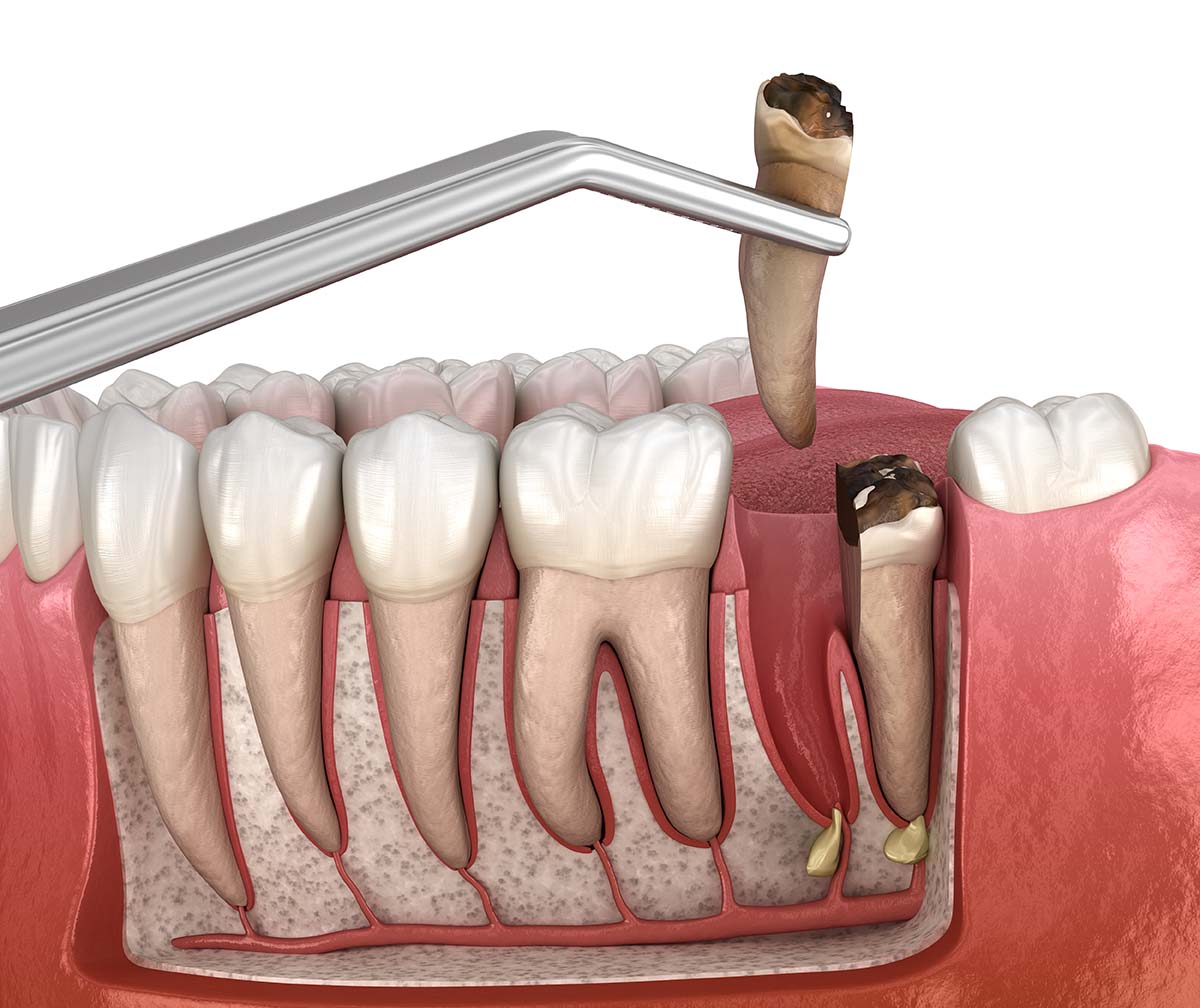
Once the area is numb, the dentist carefully loosens the tooth and removes it. For a surgical extraction, additional steps may be necessary depending on the tooth's location.
After the tooth has been removed, the dentist may place gauze over the extraction site to help control bleeding. In some cases, stitches may be necessary.
The length of the appointment varies depending on the type and complexity of the extraction.
Does Tooth Extraction Hurt?
Many patients are concerned about pain during an extraction. Local anesthesia is used to numb the treatment area, so you should not feel sharp pain during the procedure. You may feel pressure or movement as the dentist works on the tooth.
After the anesthesia wears off, some soreness or discomfort is normal. Your dentist will provide aftercare instructions and may recommend appropriate pain-management measures based on your individual situation.
If pain becomes severe or continues to worsen rather than improve, contact your dental professional.
What Should You Do After a Tooth Extraction?
Following your dentist's instructions is important for proper healing. The extraction site needs time to form a stable blood clot and begin repairing itself.
Your dentist may recommend:
-
Keeping gauze over the site for the recommended period
-
Avoiding vigorous rinsing immediately after the procedure
-
Eating softer foods during the initial recovery period
-
Avoiding smoking or tobacco products
-
Keeping physical activity limited initially
-
Maintaining good oral hygiene while protecting the extraction site
Do not disturb the extraction area with your fingers or tongue, as this can interfere with healing.
What Can You Eat After Tooth Extraction?
Soft foods are often easier to eat during the early recovery period. Depending on your dentist's instructions, suitable choices may include yogurt, mashed foods, eggs, soft pasta, and other foods that require minimal chewing.
Avoid extremely hot foods and beverages immediately after the procedure. Hard, crunchy, or sticky foods may also irritate the extraction site.
As healing progresses and your dentist confirms that the area is recovering properly, you can gradually return to your normal diet.
How Long Does Tooth Extraction Take to Heal?
Healing time varies depending on the tooth removed, the complexity of the extraction, and the patient's overall health.
The initial discomfort and swelling generally improve as the first few days pass. However, the extraction site may take longer to fully heal beneath the gum tissue.
Your dentist can provide a more specific recovery timeline based on your procedure. Attending any recommended follow-up appointments can also help ensure that healing is progressing properly.
What Is Dry Socket?
A dry socket can occur when the blood clot that forms after an extraction becomes dislodged or does not develop properly. This can expose the underlying area and cause significant pain.
Following your dentist's aftercare instructions can help reduce the risk. Avoid smoking, using straws, or vigorously rinsing your mouth during the initial healing period if your dentist advises against these activities.
If you develop severe pain a few days after extraction, contact your dentist for evaluation.
When Should You Contact Your Dentist After an Extraction?
Some discomfort is expected after tooth removal, but certain symptoms may require professional attention.
Contact your dental office if you experience:
-
Severe or worsening pain
-
Excessive or persistent bleeding
-
Significant swelling
-
Fever or other signs of infection
-
Difficulty swallowing or breathing
-
Unusual discharge from the extraction area
Prompt evaluation can help identify complications and determine whether additional treatment is needed.
What Happens After a Tooth Is Removed?
Once a tooth has been extracted, your dentist may discuss whether replacing the missing tooth is appropriate. Leaving a missing tooth untreated can affect chewing and may allow neighboring teeth to shift over time.
Common tooth replacement options include dental implants, bridges, and dentures.
Dental Implants
Dental implants use an implant post placed in the jawbone to support a replacement tooth. They can provide a stable option for replacing individual missing teeth or supporting other restorations.
Dental Bridges
A dental bridge can replace a missing tooth by using neighboring teeth or other supporting structures to hold the replacement tooth in position.
Dentures
Dentures can replace multiple missing teeth or, in some cases, an entire arch of teeth. The appropriate type depends on the patient's needs.
Your dentist can evaluate your oral health and discuss which replacement options may be suitable.
Same-Day Tooth Extraction in Renton
Some dental situations require prompt treatment. A severely damaged or painful tooth may need urgent evaluation, particularly when symptoms are affecting your daily activities.
Complete Dental Care of Renton provides same-day emergency dental care when appropriate, including tooth extractions for certain urgent dental conditions. Whether an extraction can be completed during the same visit depends on the condition of the tooth and the patient's individual circumstances.
An examination is important before deciding whether same-day extraction is appropriate.
How Can You Avoid Needing a Tooth Extraction?
Although some extractions cannot be avoided, preventive dental care can reduce the risk of severe tooth decay and other conditions that may eventually lead to tooth loss.
Good oral hygiene includes brushing twice daily with fluoride toothpaste, cleaning between your teeth every day, limiting frequent sugary foods and drinks, and attending regular dental examinations and professional cleanings.
Treating dental problems early may also provide more opportunities to preserve natural teeth.
Choosing Tooth Extraction Care in Renton, WA
If you have a severely damaged, decayed, infected, or painful tooth, a dental examination can help determine the best course of treatment. Extraction is not always the first choice, and your dentist may discuss alternatives when the tooth can be restored.
Complete Dental Care of Renton provides personalized preventive, restorative, cosmetic, and emergency dental care for patients in Renton and surrounding communities. With more than 30 years of experience, the practice focuses on creating treatment plans based on each patient's oral health needs and goals.
If you are considering tooth extraction in Renton, WA, speaking with a dental professional can help you understand whether extraction is necessary, what the procedure may involve, and what options are available for replacing the tooth afterward.










Comments (0)