

The Blank Van Problem Nobody Notices Until It's Costing Them Customers

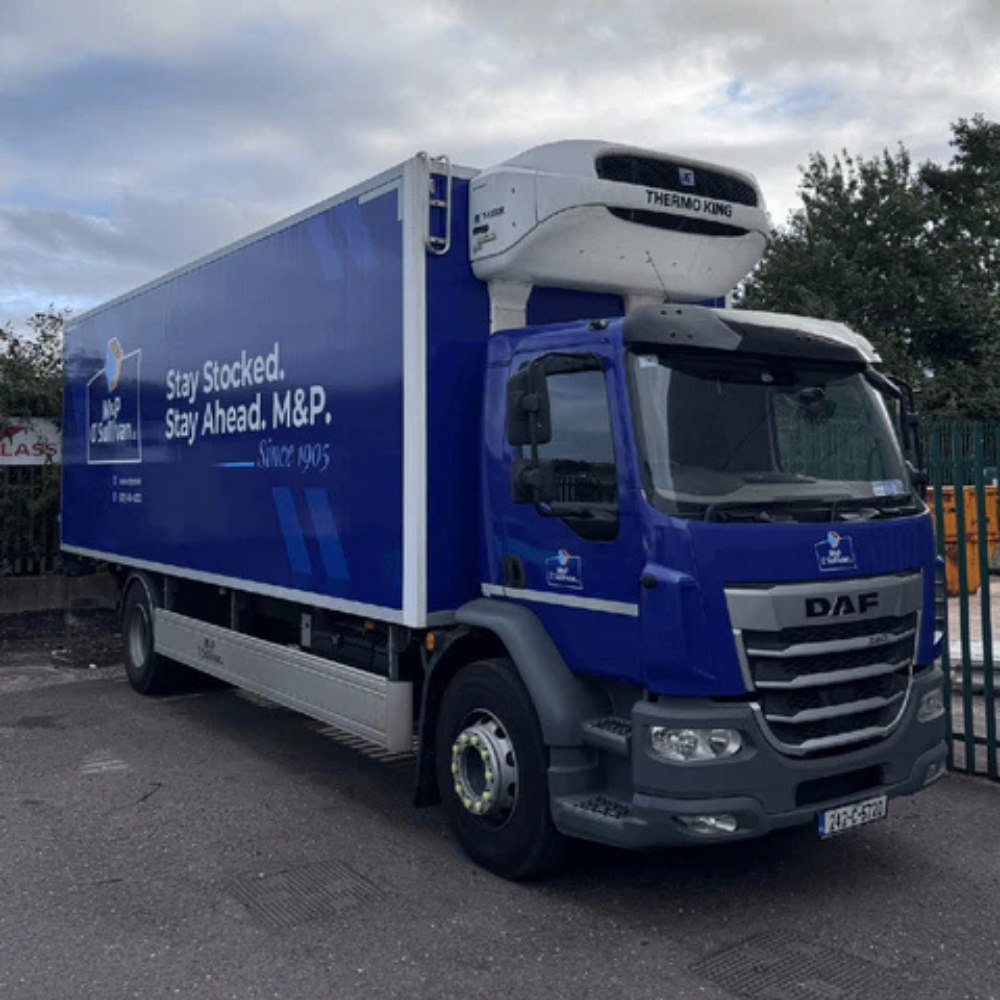
There's a specific kind of business owner who spends thousands on Google Ads every month and then drives past three schools, a shopping centre, and half the town centre in a completely blank white van without ever making the connection. It happens more than you'd think, honestly. The fix isn't complicated either, van advertising wraps solve this exact problem, and they solve it quietly, in the background, every single day that van's actually out on the road doing its job. Let's be real, a van is basically a billboard on wheels that you already own, you're just choosing not to use it as one.
Why This Actually Works Better Than People Expect
Truth is, most marketing costs money every time it runs. Pay per click, pay per impression, pay per view, it never stops, the meter's always ticking somewhere. A wrapped van is different. You pay once, upfront, and then it just works, day after day, for years, without another invoice showing up. Sat in traffic on the way to a job, parked outside a client's house while the work's being done, even just sitting in the driveway overnight where the neighbours can see it, all of that's advertising time you're not paying extra for. It's not flashy, it's not going to trend anywhere, but pound for pound it's one of the more sensible things a business can spend money on and actually see returns from.
What Goes Into a Proper Wrap, Step by Step
People assume it's just printing a big sticker and slapping it on the side panel. It's not, not if it's done right anyway. It starts with design, and design for a van isn't the same as design for a poster, curves, door handles, wheel arches, wing mirrors, all of it needs to be planned around or the finished wrap looks lumpy and wrong. Then the material gets printed and cut to match those exact panels. Installation's its own skill entirely, heat-shrinking vinyl down over every contour so it sits flat and smooth rather than bubbling or lifting at the edges within a few months. Skip corners anywhere in that process and it shows, usually sooner than later, usually right when the client's standing there looking at it too.
Full Wraps, Partial Wraps, and What Actually Makes Sense
Not every business needs the whole van covered top to bottom, and honestly, a lot of the time a partial wrap does the job just fine. A logo on the doors, a phone number down the side, maybe a graphic across the back doors, that's often enough to get noticed without the cost of a full wrap. Full coverage makes more sense for businesses running a proper fleet, where consistency across every vehicle matters more than individual creativity on each one. It really depends on the budget and what the business is actually trying to achieve, there's no single right answer here despite what some sales pitches might tell you.
Fleet Branding and Why Consistency Beats Cleverness
This is where things scale up a bit. Fleet branding isn't just about wrapping one van and calling it done, it's about making sure every vehicle a company runs looks like it belongs to the same business, same colours, same fonts, same logo placement, so that whether someone sees the van on a motorway or parked outside a job site, they recognise it instantly. That kind of consistency builds trust in a way individual clever designs never quite manage. Customers start to associate the look with reliability, almost without realising they're doing it, and that's worth more long term than any one eye-catching one-off design could be.
Materials, Durability, and Surviving Irish Weather
Nobody talks about this enough but it matters a lot. Irish weather is brutal on exterior vinyl, rain, wind, UV exposure, road salt in winter, it all takes a toll over time. Cheap material starts fading or peeling within months, and once one corner starts lifting the whole wrap tends to go downhill fast from there. Decent quality vinyl, properly installed, should hold up for five years or more with basic care, hand washing rather than aggressive pressure washers, parking in shade where possible, that kind of thing. It's not glamorous advice but it's the difference between a wrap that pays for itself several times over and one that needs redoing within a year, which nobody wants to be explaining to their accountant.
Choosing the Right People for the Job
This bit genuinely matters more than people think going in. Not every installer handles curves and contours the same way, some are brilliant on flat panels and struggle badly the moment there's a mirror housing or a tricky wheel arch involved. Ask to see actual photos of completed work, real vans, real jobs, not renders or mockups dressed up to look finished. If someone's reluctant to show previous work or gets vague about it, that tells you something worth paying attention to. Reviews help too, genuine ones from actual customers rather than the polished testimonials companies write up about themselves.
The Return on Investment Nobody Talks About Enough
The short answer to "is it worth it" is yes, almost always, assuming it's done properly in the first place. A single wrapped van can generate thousands of impressions a week just by existing and going about its normal business, no extra effort required from anyone. Compare that to the ongoing cost of digital ads that vanish the second someone scrolls past and stop working entirely the moment the budget runs dry, and the maths starts looking pretty favourable for the van sitting in the driveway. It's a bit boring as marketing strategies go, sure, but boring and effective beats exciting and forgettable most days of the week.
The Bottom Line
At the end of the day, a business vehicle is either working for the company or it's just sitting there taking up space, there's not really a middle ground once you think about it properly. Van advertising wraps turn something already being paid for, fuel, insurance, maintenance, into an active marketing asset that keeps earning attention without any extra ongoing spend. Scale that thinking across an entire fleet and proper fleet branding becomes less of a nice extra and more of a genuinely smart, fairly obvious business decision. Get the design right, get quality materials, get it installed by someone who actually knows what they're doing, and that van just works quietly for years, turning every single journey into advertising nobody had to think twice about.










Comments (0)