

Round vs Rectangular Side Tables: Which Suits Your Living Room?

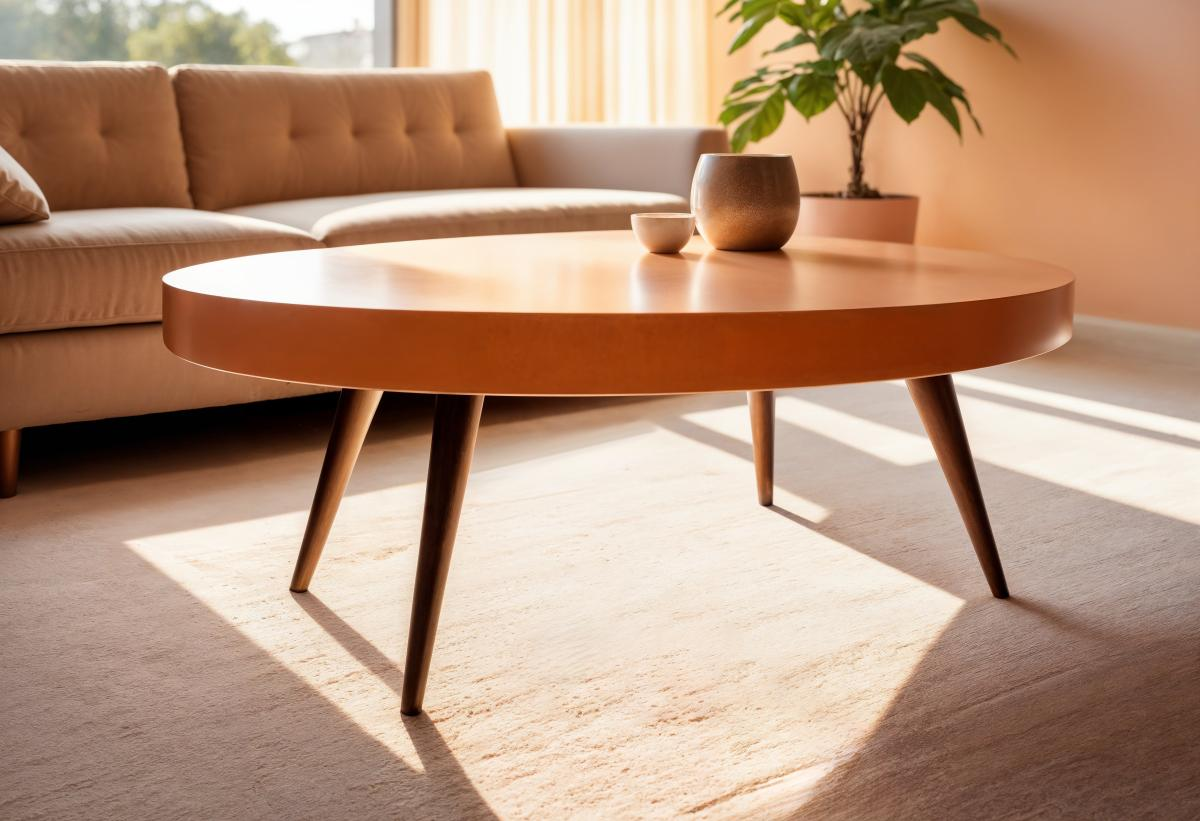
The shape of a side table can change how your living room feels. Round tables soften a room filled with straight lines, while rectangular designs usually provide more usable surface within a defined footprint. Neither shape works better everywhere, because the right choice depends on your seating, available space, and everyday habits.
Start With The Furniture Around It
Look at your sofa and armchairs before choosing the table itself. Their shape, height, and available floor space will tell you more than a trend ever could. If your room already contains strong angles, adding curves can create some visual relief.
This matters when modern luxury home decor is part of your wider design direction, because shape becomes part of the room's character rather than simply providing another surface. A round table can soften a structured arrangement, while a rectangular piece can reinforce clean, orderly lines.
A round table usually works well when:
-
Your seating has curved or softer edges.
-
You want easier movement around the table.
-
The room contains several angular furniture pieces.
-
You prefer a lighter visual appearance.
A rectangular table can make more sense when:
-
You need a longer usable surface.
-
The table sits against a sofa edge.
-
The surrounding furniture has strong straight lines.
-
You have a defined gap beside the seating.
Round Tables Change The Flow
Round side tables have no sharp corners, which can make them useful around tighter seating arrangements. People moving between a sofa and another piece of furniture do not encounter a protruding corner in the same way they might with a rectangular design.
That does not mean every small room needs a round table. The actual diameter still matters. A large circular surface can occupy more floor area than expected, particularly when positioned beside a compact armchair.
The collection includes several round designs, including the Camden Collection Round Side Table, Camden three-drawer round version, and Rutland Collection Round Side Table. There are also smaller rounded designs suited to more compact arrangements.
Rectangular Tables Make Surface Space More Predictable
Rectangular tables suit rooms where furniture already follows a structured layout. Their straight edges can sit neatly beside a sofa, wall, cabinet, or other rectangular furniture without leaving unusual gaps.
They can also provide useful surface space for everyday items. A lamp, book, drink, or decorative object can sit across the tabletop without requiring a wider circular footprint.
Drawer-based designs add another practical advantage where storage matters. The current collection includes one-drawer and three-drawer side tables, giving homeowners options beyond a simple open tabletop.
Think About What You Actually Keep Nearby
Your daily routine should influence the decision more than appearance alone. A table beside your favourite chair might only need space for a reading lamp and coffee cup. Another table beside a sofa may need to hold several items throughout the evening.
Before choosing, consider:
-
Whether you need concealed storage.
-
How many items usually sit nearby.
-
Whether a lamp needs dedicated space.
-
How much floor clearance remains.
-
Whether the table needs occasional flexibility.
Nesting tables can offer another option when one fixed surface does not provide enough flexibility. The smaller tables can remain grouped together or move around the room when extra surfaces become useful.
Which Shape Looks Better With Your Room?
There is no universal answer because the surrounding furniture changes everything. A rectangular table can look balanced beside a long sofa, while a round table may feel more natural beside a curved armchair.
Material also changes how strongly the shape reads. A solid wooden table can feel visually heavier than an open design with a slimmer base. Marble, rattan, metal, and mixed-material finishes can create completely different impressions even when the tabletop shape remains similar.
The current collection includes wooden, rattan, marble, metallic, and industrial-inspired options, so shape does not have to be considered separately from material and finish.
Make The Final Choice Around Proportion
Measure the available area before buying anything. Check the distance between the seating and nearby furniture, then consider whether people can move comfortably around the table.
A rectangular table may suit a longer available gap, while a round design can work where softer circulation matters. The height should also relate reasonably to the sofa or chair so everyday items remain easy to reach.
If you want a luxurious side table, do not choose purely because the piece looks expensive or decorative. Look at its proportions, finish, storage, and relationship with the furniture already in your room. The strongest choice should feel like part of the space rather than an object placed there afterward.
Conclusion
Round and rectangular side tables can both work beautifully in a living room. The decision comes down to space, furniture shape, practical use, and the amount of visual contrast you want.
Choose round when softer lines and easier movement matter most. Choose rectangular when predictable surface space and structured placement are more important. Once those practical factors are clear, the finish and decorative style become much easier to decide.










Comments (0)