

Manual or Fully Automated RO Water Treatment Plant? What Healthcare Facilities Should Consider Before Investing in 2026
Manual or automated RO water treatment plant? Compare safety, cost, maintenance and reliability before investing in African healthcare facilities.


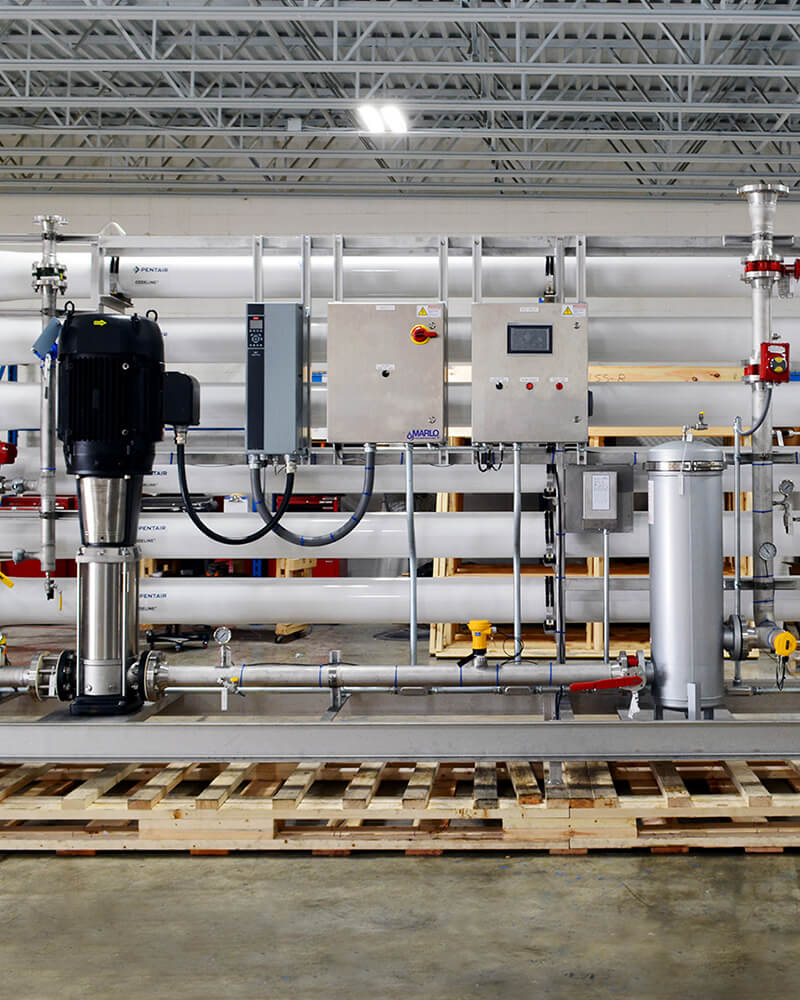
In 2016, a serious infection outbreak affected the dialysis unit at Steve Biko Academic Hospital in Pretoria, South Africa. 16 patients developed bloodstream infections, and one patient died. When researchers investigated the incident, they found that the hospital’s reverse osmosis pump was visibly faulty, with leaks around the equipment.
Their findings, published in Antimicrobial Resistance & Infection Control (2020), identified contaminated dialysis water as the most likely infection source. Following repairs, disinfection and further testing, no additional cases were detected.
The study did not establish that automation would have prevented the outbreak. However, it showed why water treatment equipment needs proper monitoring and maintenance.
For African healthcare facilities investing in an RO water treatment plant in 2026, choosing between manual and fully automated operation deserves careful consideration. Both can provide suitable treated water when properly designed, but their operating requirements and long-term costs differ.
The better choice depends on the facility’s water quality, treatment demand, electricity supply and available technical staff.
Why RO Water Treatment Plant Selection Matters in African Healthcare
Reliable water remains a challenge for many healthcare facilities across Africa.
According to the WHO/UNICEF Joint Monitoring Programme (2026), only 57% of healthcare facilities in sub-Saharan Africa had basic water services in 2025, compared with 85% globally.
Basic water access means water from an improved source is available on the premises. It does not guarantee that the water meets medical treatment requirements.
A hospital may have enough water for general cleaning but still require further purification for dialysis or laboratory procedures.
Reverse osmosis removes many dissolved salts and other impurities by forcing water through a specialized membrane. However, the complete treatment system must meet the quality requirements of its intended application.
These requirements matter when comparing manual and automated plants. A facility needs equipment that can produce suitable water consistently under its actual operating conditions.
Manual vs Fully Automated RO Water Treatment Plant: What’s the Difference?
Both systems use reverse osmosis technology. Their main difference lies in how everyday operations are controlled.
Manual RO Water Treatment Plant
A manual system requires greater involvement from trained operators. Depending on its design, staff may start pumps, adjust valves, check pressure readings and record water quality measurements.
Some manual plants also include automatic protective controls.
They can work well in smaller healthcare facilities with predictable water demand and qualified staff available during operating hours.
However, regular supervision is essential because more operating decisions depend on people.
Fully Automated RO Water Treatment Plant
A fully automated system uses programmed controls to manage routine operations.
Many plants feature a Programmable Logic Controller (PLC), which receives information from sensors and controls connected equipment.
Depending on the specifications, automation can manage pump operation, tank levels, flushing cycles and protective shutdowns. It may also alert operators when monitored readings move outside configured limits.
This reduces repetitive work but does not eliminate technical supervision, maintenance or independent water quality testing.
Is a Semi-Automated RO Plant Another Option?
Healthcare facilities do not always need to choose between two extremes.
A semi-automated plant combines selected automatic functions with manual operation. For example, it may provide automatic pump protection while requiring staff to control other procedures.
This middle option can suit facilities that need some operational assistance without investing in extensive automation.
|
Factor |
Manual RO Plant |
Fully Automated RO Plant |
|
Initial investment |
Generally lower |
Generally higher |
|
Daily operation |
More operator involvement |
More programmed control |
|
Monitoring |
More manual readings |
Continuous electronic monitoring may be available |
|
Fault detection |
Depends on inspections and installed safeguards |
Can include programmed alarms |
|
Maintenance |
Generally simpler controls |
Additional electronic components |
|
Suitable setting |
Predictable demand with trained staff |
Frequent operation and greater monitoring needs |
Neither option automatically guarantees better water quality. The complete treatment design and ongoing maintenance remain essential.
7 Factors Healthcare Facilities Should Consider Before Investing
1. Match Plant Capacity With Actual Treatment Requirements
Before requesting quotations, calculate how much treated water your facility needs each day.
A small outpatient clinic has different requirements from a hospital operating multiple dialysis machines. Consider daily consumption, peak treatment hours and future expansion.
Dialysis requires particular attention.
According to ISO 23500-3:2024, a hemodialysis patient may be exposed to more than 500 litres of water per week across the dialyzer or hemodiafilter membrane. The standard compares this with typical weekly oral water intake, which seldom exceeds 12 litres in healthy individuals.
This substantial difference explains why dialysis water requires strict chemical and microbiological controls.
An automated plant may help a busy dialysis center manage frequent production. However, adequate treatment capacity remains essential regardless of automation.
Ask suppliers to calculate plant output using your facility’s actual requirements rather than recommending equipment based on capacity alone.
2. Test Incoming Water Before Choosing Equipment
Water quality can vary between municipal supplies, boreholes and stored water.
A study by Kobayashi and Hidaka, published in Renal Replacement Therapy (2020), documented practical challenges encountered while supporting dialysis facilities across Africa.
In Djibouti, high sodium concentrations required changes to the RO configuration. In Tanzania, Eswatini and Malawi, fine particles created additional filtration problems. Some prefilters needed replacement every couple of days.
These experiences show why a standard treatment design may not suit every location.
Before purchasing equipment, arrange a suitable laboratory analysis covering relevant chemical and microbiological parameters.
The results help engineers determine whether the plant needs sediment filtration, activated carbon treatment, water softening or additional purification stages.
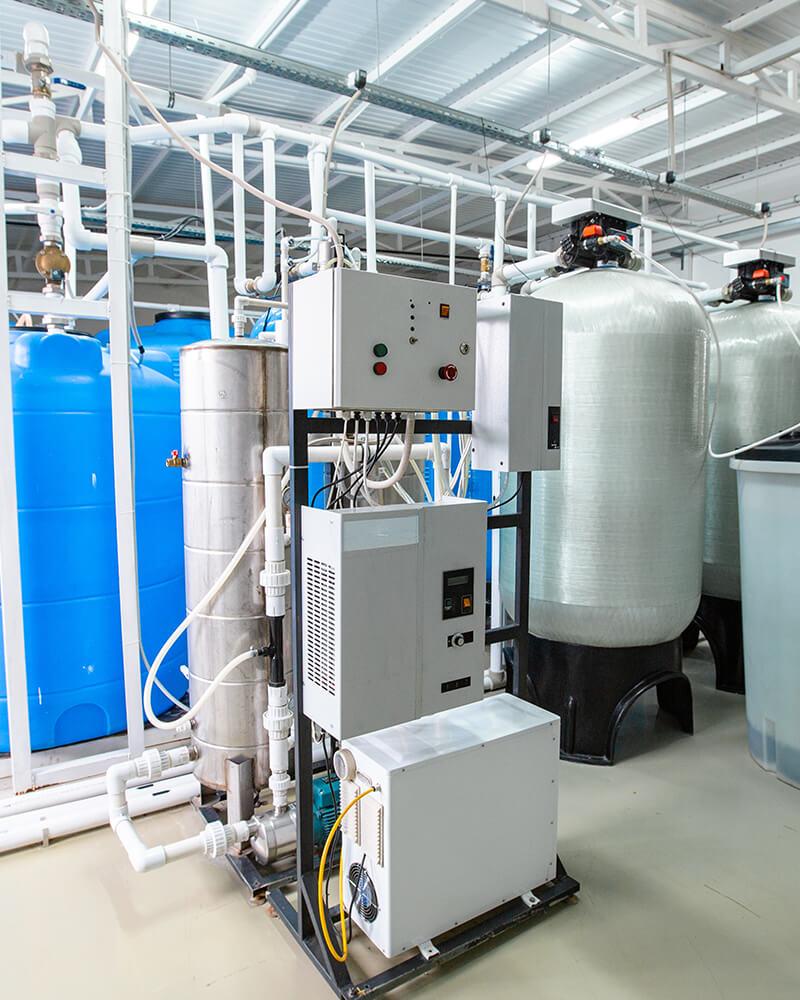
Automation cannot correct unsuitable pretreatment. Even an expensive automated plant can perform poorly if the incoming water has not been properly assessed.
3. Consider Electricity Reliability and Backup Power
An automated system may offer convenient controls, but those features provide limited value if electricity interruptions repeatedly stop production.
The World Health Organization’s 2023 healthcare electrification report, based on available survey data collected between 2015 and 2022, estimated that only 40% of healthcare facilities in sub-Saharan Africa had reliable electricity. Among hospitals, the estimate was 50%.
Both manual and automated RO plants require electricity to operate pumps and other electrical components.
Before investing, ask how the proposed system responds to power interruptions. Does it shut down safely? Can it operate with suitable backup power? What checks are needed before restarting?
A facility providing time-sensitive medical treatment should also consider whether its backup supply can support the required treatment capacity.
Manual operation does not solve electricity problems. Power arrangements must be assessed separately from the level of automation.
4. Evaluate Staff Availability and Technical Skills
Consider who will operate the plant when the regular technician is unavailable.
A manual system needs trained personnel to monitor readings, maintain records and respond when operating conditions change.
This may be manageable for smaller facilities with experienced technical teams. Larger hospitals may find continuous manual supervision more difficult.
Automation can reduce repetitive tasks, but staff still need to understand alarms, review performance records and arrange repairs.
Operator training should therefore form part of the purchasing agreement.
Choose equipment your available team can operate confidently rather than paying for complicated features they cannot maintain.
5. Prioritize Water Quality Monitoring and Patient Safety
Water quality monitoring is especially important for dialysis facilities.
ISO 23500-3:2024 specifies minimum chemical and microbiological requirements for water used in hemodialysis and related therapies.
Automated systems may continuously monitor conductivity and pressure. These readings can help identify certain changes in equipment performance.
However, conductivity monitoring cannot confirm that bacterial contamination or endotoxin levels meet acceptable limits.
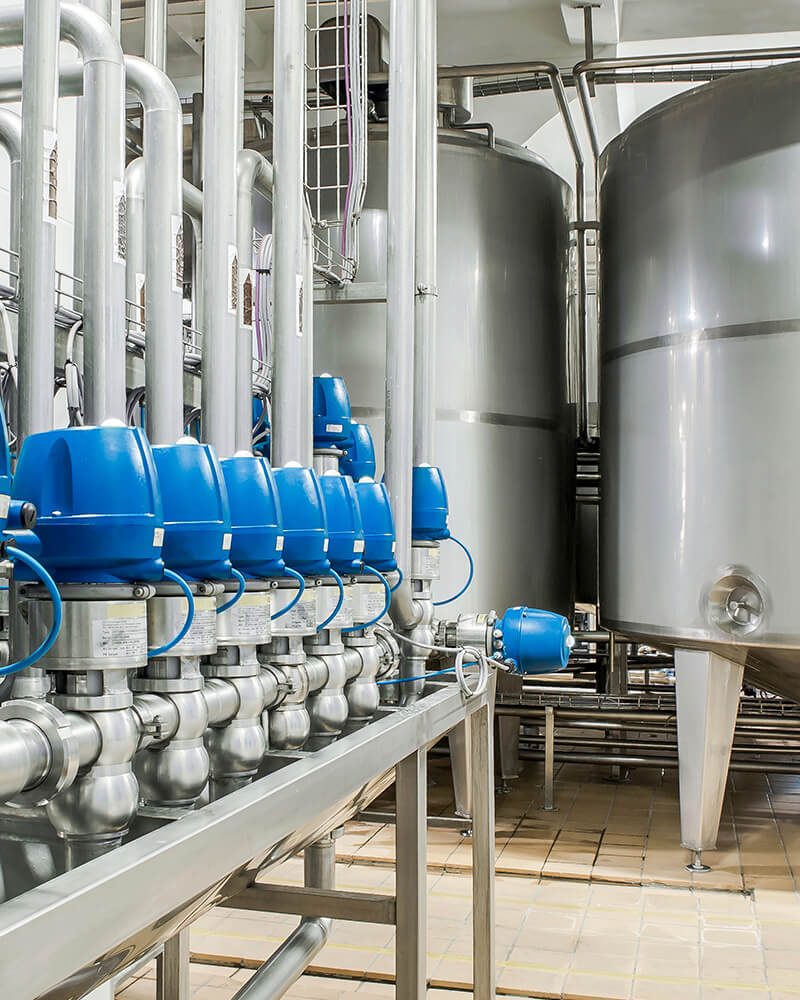
The US Centers for Disease Control and Prevention (CDC) recommends microbiological testing and regular disinfection of dialysis water systems.
Both manual and automated installations therefore need suitable testing procedures and documented corrective actions.
The Pretoria outbreak demonstrates why mechanical maintenance and microbiological surveillance must work together. Automatic controls should support these measures rather than replace them.
6. Compare Long-Term Costs Instead of Purchase Prices Alone
Manual plants generally involve lower initial control-system costs. Fully automated plants usually require additional investment in sensors, controllers and related equipment.
However, purchase price represents only part of the total expense.
A realistic comparison should account for installation, electricity, staff involvement, replacement membranes, filter changes, chemicals and technical servicing.
Water consumption also deserves attention. RO systems produce purified water alongside a reject stream containing concentrated impurities.
Ask suppliers how much incoming water the plant needs to produce its specified treated-water output. Recovery rates vary according to source water quality and system design.
Compare quotations using identical treatment capacity and output quality requirements.
Any promised operating savings should be supported by realistic calculations rather than unsupported percentages.
7. Check Maintenance Support and Spare Parts Availability
Even a sophisticated RO plant becomes difficult to manage when replacement parts are unavailable.
Before purchasing, confirm how quickly the facility can obtain membranes, pumps, filters and other essential components.
For automated systems, also ask about sensor calibration, PLC servicing and replacement electronic parts.
Healthcare facilities comparing available configurations can examine a customized ro water treatment plant to understand how treatment stages, production capacity and automation options differ.
The purchasing agreement should clearly explain maintenance responsibilities, technical support and operator training.
These details often determine how manageable the equipment will be after installation.
What Happens When an Automated RO Plant Develops a Fault?
Automation can identify certain abnormal operating conditions, but the response depends on how the equipment has been designed and programmed.
For example, a suitable protective control may stop production when a monitored parameter moves outside its configured limit. Other faults may require immediate manual investigation.
Ask suppliers to demonstrate what happens when a pump fails, a sensor becomes unreliable or electricity is interrupted.
Staff should understand when equipment can be restarted and when treated water must be withheld pending further checks.
Automatic alarms are valuable, but they cannot replace clear emergency procedures or trained personnel.
What Should Hospitals Verify Before Accepting a New RO Plant?
Installation should not end with simply switching on the equipment.
Before accepting handover, verify that the plant produces the agreed treated-water volume and meets the required output quality.
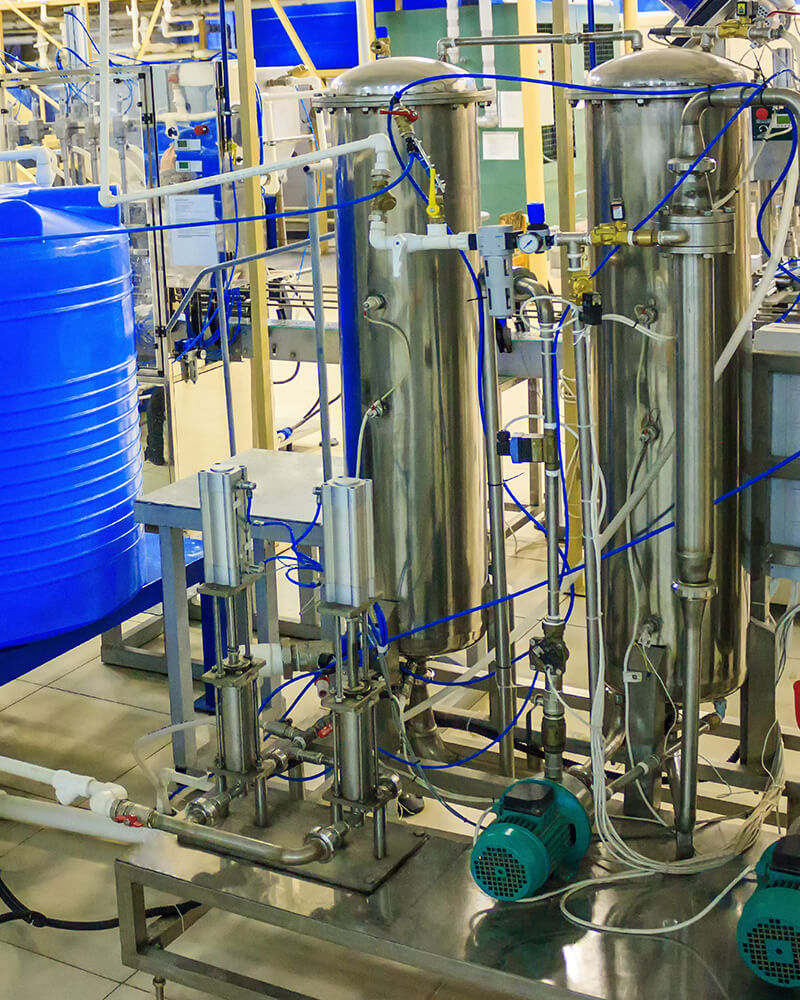
Commissioning should also demonstrate protective shutdowns, alarm functions and backup power arrangements where applicable.
For dialysis installations, qualified personnel must verify the complete treatment and distribution system against applicable standards.
Request test records, operating manuals, maintenance schedules and practical staff training before approving the installation.
These checks help ensure that the delivered system performs as promised rather than relying entirely on the supplier’s equipment specifications.
Which RO Water Treatment Plant Should Your Healthcare Facility Choose in 2026?
A manual system may suit a smaller facility with manageable demand and trained operators who can provide regular supervision. Semi-automated equipment offers another option where selected automatic controls would improve daily operation.
Fully automated systems become more attractive for busy hospitals and dialysis centers that need frequent water production, programmed controls and continuous electronic monitoring.
However, automation should never be purchased simply because it appears more advanced.
Choosing the right system takes hours of research, but comparing specifications alone is not enough. Hospitals must understand how the equipment will perform under their actual water, electricity and staffing conditions.
The Pretoria incident remains a reminder that dependable treatment requires more than functioning equipment. Proper maintenance, reliable monitoring and timely corrective action are essential.
For healthcare facilities investing in 2026, the best RO plant is one that meets the required water quality standards, remains manageable throughout its working life and provides a dependable supply when patients need it most.














Comments (0)