

How Plasma Injection for Hairs in Dubai Works
Learn how plasma injection for hairs in Dubai works, from blood collection and PRP preparation to scalp injections, hair follicle support, and expected results.
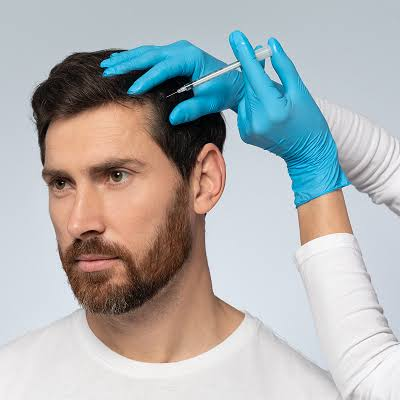
Hair thinning can develop gradually, making it difficult to notice changes until the scalp becomes more visible or the hair loses its natural volume. Many people explore different approaches to improve hair density and maintain healthier-looking hair without undergoing surgery.
Plasma injection for hairs in Dubai (حقن البلازما للشعر في دبي) is one treatment option that focuses on using platelet-rich plasma to support existing hair follicles. The procedure involves collecting a small blood sample, separating its platelet-rich component, and introducing the prepared plasma into selected scalp areas.
Understanding how each stage works provides a clearer picture of the treatment and what individuals may experience throughout the process.
Understanding the Science Behind Plasma Hair Treatment
Platelet-rich plasma, commonly called PRP, is a concentrated portion of blood that contains a higher number of platelets than ordinary plasma.
Platelets play an important role in the body's natural healing processes. They release growth factors and signaling proteins that participate in tissue repair and cellular activity.
In hair restoration, PRP is used to deliver these naturally occurring components into areas affected by certain types of hair thinning. Researchers believe these growth factors may influence the environment surrounding hair follicles and support their activity.
However, the exact biological mechanisms are still being investigated, and treatment responses differ between individuals.
Step-by-Step Process of Plasma Injection for Hairs in Dubai
The procedure involves several stages, each designed to prepare and deliver platelet-rich plasma safely.
Step 1: Initial Scalp Assessment
The process begins with an evaluation of the scalp and hair loss pattern. Areas experiencing reduced density, excessive shedding, or visible thinning are identified.
The underlying cause of hair loss is also important because not every condition responds to PRP treatment in the same way.
Step 2: Collection of a Blood Sample
A small quantity of blood is collected using a sterile needle. This sample contains the components required to prepare the platelet-rich plasma.
The amount collected depends on the treatment protocol and the individual's requirements.
Step 3: Centrifugation and Plasma Preparation
The blood sample is placed inside a centrifuge, which rotates at a controlled speed to separate its different components.
This process allows the platelet-rich portion to be isolated from other blood components. The resulting preparation is collected for use during the procedure.
The quality of preparation is important because platelet concentration and processing methods can influence the characteristics of the final product.
Step 4: Preparing the Scalp
Before injections begin, the targeted scalp areas are cleaned. A suitable numbing method may be applied to reduce discomfort.
The areas selected for treatment depend on the individual's hair thinning pattern and the planned injection technique.
Step 5: Injecting Platelet-Rich Plasma
The prepared plasma is introduced into selected scalp areas using fine needles. Multiple small injections may be administered to distribute the material across the targeted regions.
The process is designed to place platelet-rich plasma near the hair follicles rather than simply applying it to the scalp surface.
Step 6: Post-Treatment Care
Once the injections are completed, the scalp is checked for any immediate reactions. Temporary redness, tenderness, or mild swelling may occur.
Aftercare instructions are provided to help individuals manage the treated areas and return to their usual activities comfortably.
How Does PRP Interact With Hair Follicles?
Hair follicles naturally pass through different growth stages. These include the active growth phase, transition phase, and resting phase.
In certain types of hair loss, the growth cycle becomes disrupted, and individual hair strands may gradually become thinner.
Growth factors present in platelet-rich plasma may influence cellular signaling around the follicles. This could potentially support follicular activity and improve hair characteristics in some individuals.
The treatment is intended to support existing follicles. It does not create new follicles or guarantee regrowth in completely bald areas.
How Many Sessions Are Usually Required?
The number of sessions depends on the individual's hair condition, treatment goals, and response.
Some treatment protocols begin with several sessions spaced a few weeks apart. Maintenance sessions may be considered later if improvements are observed and continued treatment is appropriate.
There is no universal schedule that works for everyone. A personalized approach is important when planning plasma-based hair restoration.
When Do Changes Become Visible?
Unlike cosmetic procedures that produce immediate visible changes, hair restoration takes time because hair follicles follow natural growth cycles.
Some individuals may notice reduced shedding or changes in hair thickness after several months. Improvements in visible density may take longer.
Factors such as genetics, age, overall health, and the severity of hair loss can influence the timeline.
Photographs taken at consistent intervals can help monitor changes more accurately than relying only on daily observations.
Is the Procedure Painful?
Plasma injections involve small needles, so some individuals may experience mild discomfort during treatment.
A numbing cream or another suitable comfort measure may be used depending on the treatment approach.
After the procedure, temporary tenderness, redness, or slight swelling can occur. These effects generally improve without requiring an extended recovery period.
Who May Benefit From This Approach?
Individuals experiencing early pattern hair loss or reduced hair density may be considered for PRP treatment.
It may be discussed for men and women with existing hair follicles that have become weaker or less active.
However, people experiencing sudden hair loss, active scalp infections, certain blood disorders, or severe follicular damage may require a different approach.
Identifying the cause of hair thinning is an essential part of determining suitability.
Final Thoughts
Understanding the process behind plasma injection for hairs in Dubai makes it easier to evaluate this non-surgical hair restoration option. From blood collection and plasma separation to targeted scalp injections, every stage is designed to deliver concentrated platelets to areas experiencing certain types of hair thinning.
Although PRP may support hair thickness and follicular activity in suitable individuals, results vary and are not guaranteed. For those exploring this approach, TAJMEELS DUBAI عيادة تجميل offers an opportunity to learn more about plasma-based hair treatment and consider an appropriate hair restoration plan.

Provide health services







Comments (0)