

Car Keys: What Should You Do When Your Car Key Stops Working Suddenly?
Understanding the different types of car keys and the common reasons they stop working can help you identify what to check before deciding whether you need repair, replacement, duplication, or programming.

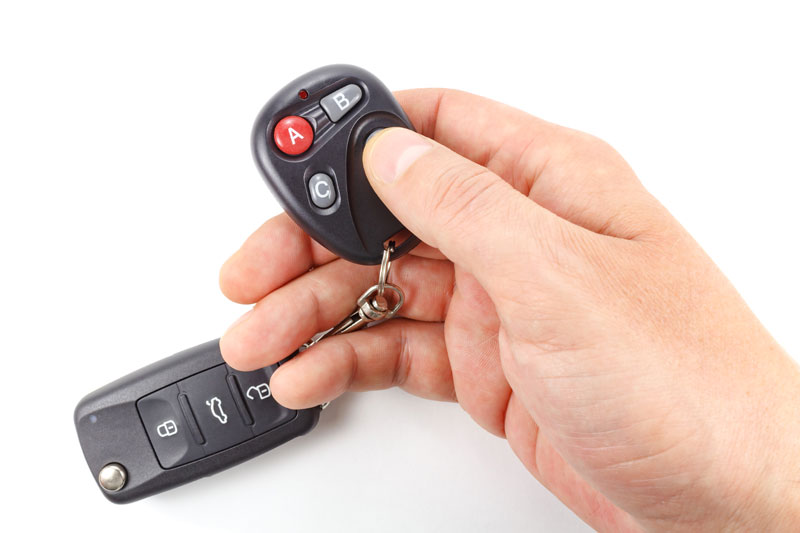
A car key can become a problem at the worst possible time. You may be ready to leave for work, heading home after shopping, or trying to start your vehicle late in the evening when the key suddenly stops working as expected.
Sometimes the problem is simple, such as a weak key battery. In other situations, the key may be physically damaged, electronically unrecognised, or affected by a problem with the vehicle itself.
Understanding the different types of car keys and the common reasons they stop working can help you identify what to check before deciding whether you need repair, replacement, duplication, or programming.
Why Do Car Keys Stop Working?
Modern vehicle keys can contain both mechanical and electronic components.
A traditional key may mainly operate the physical locks, while newer vehicles can use transponder keys, remote controls, key fobs, or smart keys.
As a result, a key can stop working for different reasons.
Common possibilities include:
-
A weak key battery
-
Physical damage
-
Worn key cuts
-
Electronic component failure
-
Programming problems
-
Vehicle battery issues
-
Immobiliser-related problems
-
Problems with the vehicle's key-detection system
The symptoms can provide useful clues.
Check the Key Battery
If your key has remote buttons, one of the first things to consider is the battery.
A weak battery can cause the remote to become less responsive or stop operating the vehicle's locking functions.
You might notice that:
-
The lock button works inconsistently
-
The vehicle responds only from a short distance
-
The remote stops working completely
-
The smart key is not detected as expected
Replacing the battery may resolve some remote-related problems.
However, a battery replacement does not automatically reprogram the key.
If the vehicle still does not recognise the key afterward, further diagnosis may be required.
What If the Key Still Starts the Car?
Sometimes the remote functions stop working while the physical or electronic starting function continues to operate normally.
For example, the buttons may no longer lock or unlock the vehicle remotely, but the vehicle may still start when the key is used normally.
This can indicate that the issue is limited to the remote side of the key.
The exact behaviour depends on the vehicle's design.
It is therefore useful to identify which functions have stopped working instead of assuming that the entire key has failed.
What If the Key Unlocks the Door but the Car Will Not Start?
This is a different situation.
The physical part of the key may operate the door lock while the vehicle's immobiliser system does not recognise the electronic component.
Many modern vehicles use electronic identification to confirm that an authorised key is being used before allowing the engine to start.
This means a key can appear physically correct but still fail the vehicle's electronic security check.
A professional may need to determine whether the key requires programming or whether another issue is preventing recognition.
Understanding Transponder Car Keys
Many modern car keys contain transponder technology.
A transponder is an electronic component that communicates with the vehicle's immobiliser system.
When the key is used, the vehicle checks the electronic identification associated with it.
If the vehicle does not recognise the key correctly, the engine may not start.
This is why simply cutting a new physical key may not always be enough.
The replacement key may also need appropriate electronic configuration.
What Is the Difference Between Key Cutting and Programming?
Key cutting and programming are separate processes.
Key cutting creates the physical shape of the key blade.
Programming configures the electronic component where the vehicle requires electronic key recognition.
For an older mechanical key, cutting may be the main requirement.
For a modern transponder, remote, or smart key, both physical cutting and electronic programming may be involved.
This distinction becomes particularly important when a newly made key unlocks the door but does not start the vehicle.
What If the Key Is Physically Damaged?
Physical damage can also affect car keys.
A key may become bent, cracked, worn, or damaged after being dropped or exposed to repeated pressure.
Look for:
-
Cracks in the key casing
-
Bent metal blades
-
Broken buttons
-
Loose components
-
Damaged key rings or housings
Do not continue using a key that appears likely to break inside the lock.
A broken key can create a more complicated access problem.
Can a Worn Key Cause Problems?
Yes.
Mechanical key blades become worn through repeated use.
The cuts that originally matched the vehicle's lock can become less defined over time.
You may notice that the key:
-
Feels loose
-
Requires additional movement
-
Turns inconsistently
-
Becomes difficult to remove
-
Does not operate as smoothly as a newer key
If you have a working spare, compare the two.
If the spare operates smoothly while the older key does not, the condition of the original key may be contributing to the problem.
What If You Have a Spare Key?
A spare key can be extremely useful for diagnosis.
If your main key suddenly stops working, try the spare if one is available.
If the spare works normally, the problem is more likely to be associated with the original key.
If neither key works, the problem may involve the vehicle itself.
This simple comparison can provide useful information before arranging professional assistance.
Could the Vehicle Battery Be the Problem?
Not every car-key problem is actually caused by the key.
A weak vehicle battery can affect electrical and electronic systems.
If the vehicle has very little power, you may experience symptoms that appear to be related to key recognition.
If both authorised keys stop working at the same time, the vehicle's electrical system should also be considered.
A professional can help determine whether the problem is coming from the key or the vehicle.
What If the Smart Key Is Not Detected?
Smart-key systems allow drivers to lock, unlock, and start certain vehicles without using a traditional key in the same way.
If the vehicle suddenly reports that the key is not detected, possible causes can include:
-
Weak smart-key battery
-
Key damage
-
Communication problems
-
Vehicle battery issues
-
Electronic system problems
Some vehicles also provide an alternative method for starting when the smart-key battery is weak.
The exact procedure depends on the vehicle manufacturer and model.
What If You Lose Your Only Car Key?
Losing your only key is different from repairing an existing one.
A replacement may need to be produced and, depending on the vehicle, electronically configured.
The professional may require the vehicle's make, model, year, and relevant identification or ownership documentation.
If the vehicle cannot be moved because you have no working key, explain this when requesting assistance.
A mobile automotive locksmith may be able to work at the vehicle's location, depending on availability and the vehicle involved.
When Should You Replace a Car Key?
Replacement may be appropriate when the existing key is severely damaged, lost, or no longer reliable.
You may also want to consider a replacement if:
-
Buttons are physically damaged
-
The casing is broken
-
The blade is badly worn
-
The electronic component is faulty
-
The key repeatedly stops working
-
You only have one working key
It is generally better to address a deteriorating key before it fails completely.
What If You Need a Duplicate?
If your existing key works correctly, making an additional key can provide useful backup.
However, modern vehicle keys may involve more than physical duplication.
Depending on the vehicle, the additional key may require:
-
Correct key cutting
-
Compatible electronic components
-
Transponder programming
-
Remote configuration
-
Testing
The exact requirements depend on the vehicle's security system.
Why Should a New Car Key Be Tested?
A newly made or programmed key should be tested before you rely on it.
Depending on the vehicle, check:
-
Door locking
-
Door unlocking
-
Remote buttons
-
Key detection
-
Ignition operation
-
Engine starting
-
Keyless-entry functions
If one function works while another does not, explain the exact symptoms to the technician.
A key should not simply be considered successful because it physically fits the vehicle.
What Should You Tell a Professional?
When requesting assistance with car keys, provide as much accurate information as possible.
Useful details include:
-
Vehicle manufacturer
-
Model
-
Model year
-
Type of key
-
Whether the original key is available
-
Whether the remote works
-
Whether the vehicle starts
-
Any dashboard warning
-
Whether a spare key works
For example, saying "the key unlocks the door but the engine will not start" gives much more useful information than simply saying "my key is broken."
When Should You Stop Trying the Key Yourself?
If the key is becoming increasingly difficult to use, avoid repeated attempts.
Do not force a key that is stuck.
Do not continue twisting a damaged blade.
Do not try random modifications to electronic components.
Repeated force can turn a minor key problem into a broken-key or damaged-lock situation.
Professional diagnosis is particularly appropriate when the key is physically damaged or the vehicle does not recognise an authorised key.
Frequently Asked Questions
Why do my car keys suddenly stop working?
Possible causes include a weak battery, physical damage, worn key components, programming problems, or a vehicle-side electrical or immobiliser issue.
Can a key unlock the car but not start it?
Yes. The physical key may operate the door while the vehicle's electronic security system does not recognise the key for engine starting.
Does every car key need programming?
No. Some vehicles use primarily mechanical keys, while many modern vehicles use electronic key systems that require programming.
Can a weak key battery stop the car from starting?
It depends on the vehicle and key system. A weak battery can affect remote or smart-key functions, but it is not the same as an immobiliser programming problem.
What if my spare key works?
If the spare works normally while the main key does not, the problem is more likely to be associated with the original key.
Should I make a spare car key?
Having an additional authorised key can be useful, particularly if your vehicle currently has only one working key.
Final Thoughts
Modern car keys can combine mechanical and electronic technology, which means a key that stops working may require more than a simple battery replacement or physical copy.
Start by identifying exactly what has stopped working. Check the key battery if appropriate, compare the key with a working spare, and consider whether the vehicle itself may be experiencing an electrical problem.
If the key unlocks the vehicle but does not start it, electronic recognition or programming may be involved. If the key is physically damaged or badly worn, replacement may be more appropriate.
When professional assistance is needed, provide the vehicle's make, model, year, key type, and exact symptoms.
Most importantly, avoid forcing a damaged or stiff key. A small problem with the key can become a larger problem if the key breaks inside the vehicle's lock or ignition.
Testing a replacement or spare key before relying on it can also help ensure that it is ready when you actually need it.











Comments (0)