

How Biomass Briquettes Can Support More Sustainable Manufacturing
Biomass briquettes help manufacturers reduce emissions, manage fuel costs, and reuse agricultural waste while providing a practical, renewable energy alternative for industrial heating and boilers.

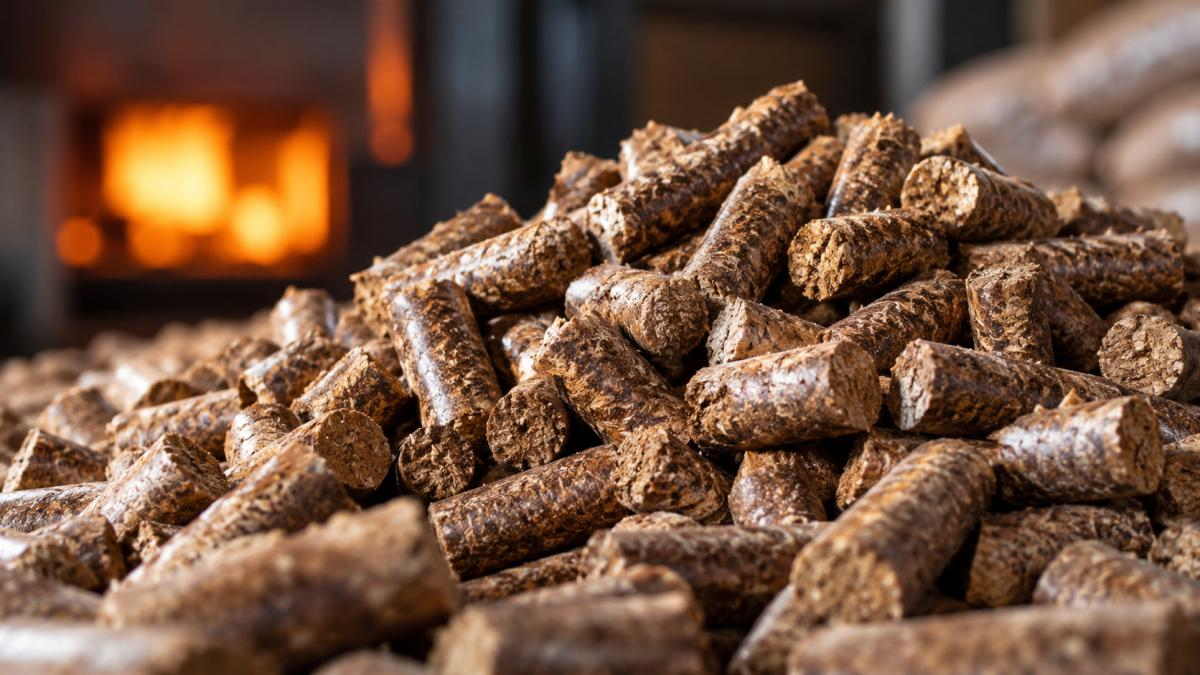
Every factory that heats water, generates steam, or dries a product depends on a source of thermal energy. For decades that source was coal, furnace oil, or diesel, chosen mainly for convenience and price. Today the picture is different. Customers ask about carbon footprints, regulators watch emissions more closely, and fuel costs swing unpredictably. Manufacturers that once treated fuel as a background expense now see it as a strategic choice.
The Case for Cleaner Industrial Heat
Heat accounts for a large share of energy use in many industries, including food processing, textiles, chemicals, and ceramics. Replacing fossil fuel in these processes can cut emissions without changing the product itself. It also sends a clear signal to buyers, investors, and local communities that the company takes its environmental responsibility seriously. The challenge is finding an alternative that is practical, affordable, and compatible with existing equipment.
From Farm Residue to Fuel
Agriculture and forestry leave behind enormous quantities of residue, such as husk, shells, sawdust, and stalks, much of which is burned in open fields or left to rot. Compressing this material into biomass briquettes turns loose, bulky waste into a dense, uniform fuel that can be stored, transported, and burned with far more control. The process uses pressure and, in many cases, no chemical binders, relying on the natural lignin in the material to hold the shape. The result is a solid fuel with higher energy density than the raw residue, which makes handling and combustion much more efficient. Quality still depends on the raw material and the pressing method, so it pays to understand how a supplier makes the product.
Lowering Carbon Without Rebuilding the Plant
One appeal of this fuel is that many existing boilers and furnaces can use it with modest adjustments, instead of requiring a complete rebuild. Because the carbon released when the plant material burns was recently absorbed from the atmosphere, the fuel is generally treated as a lower-carbon option than coal. Sulphur content is usually much lower as well, which reduces certain harmful emissions. Actual benefits depend on sourcing, transport distance, and combustion practices, so claims should always be backed by proper measurement.
Cost and Energy Stability
Fossil fuel prices can change quickly with global events, while agricultural residues are often available locally and priced more steadily. Shorter supply chains also reduce transport costs and exposure to disruption. Plants should compare fuels on the basis of delivered energy rather than simple price per tonne, since heat value, moisture, and ash content all affect real cost. Many users find that stable pricing makes budgeting easier, even when the headline rate is similar.
Where These Fuels Are Used
Boilers in dairies, breweries, and food plants, dryers in textile and chemical units, kilns in brick and ceramic works, and thermal oil heaters in many other industries all use solid biomass. Smaller workshops use it for space heating and process heat. Wherever a steady, controllable flame is needed, a well-made briquette can fit into the system.
Closing the Loop on Waste
Using agricultural residue as fuel gives a second life to material that might otherwise cause smoke, pests, or disposal problems. Farmers gain an additional income source, and rural areas benefit from local processing and transport jobs. The leftover ash can sometimes be used as a soil conditioner or in construction materials, subject to testing and local rules. This circular approach is part of what makes the fuel attractive to sustainability-minded companies.
Practical Points Before Switching
Check your equipment’s design and ask the manufacturer whether it suits solid biomass. Review the fuel specification, including calorific value, moisture, ash content, and size, and run a trial before committing to larger volumes. Train operators on feeding, ash removal, and combustion tuning, because these differ from oil or gas firing. Record results from the trial so decisions rest on data rather than assumptions.
Choosing a Dependable Supply Partner
A steady supply is just as important as good fuel. Modi Oil Mill is a name industrial buyers can approach for biomass fuel needs, with open discussion about specifications, quantities, and delivery schedules. Whichever supplier you consider, request samples, ask for recent test reports, and talk with other customers if possible. A partner who explains the process clearly and responds quickly to questions makes the transition far smoother.
Handling and Storage at Your Site
Keep briquettes in a dry, covered area with good ventilation, away from rain and ground moisture, since damp fuel loses heat value and can crumble. Stack them neatly, and handle them with care to limit dust. Follow basic fire safety rules around storage, and use older stock first. Check each delivery on arrival, because small habits at the site protect the quality you paid for.
Final Thoughts
Sustainable manufacturing does not have to begin with an expensive overhaul. Changing the fuel that heats the plant can be one of the most practical early steps, provided the product is sound and the supplier is dependable. With careful testing and good planning, solid biomass can reduce emissions, steady costs, and turn agricultural waste into useful energy.









Comments (0)