

CNC Machining Services UAE for Custom Metal Part Production

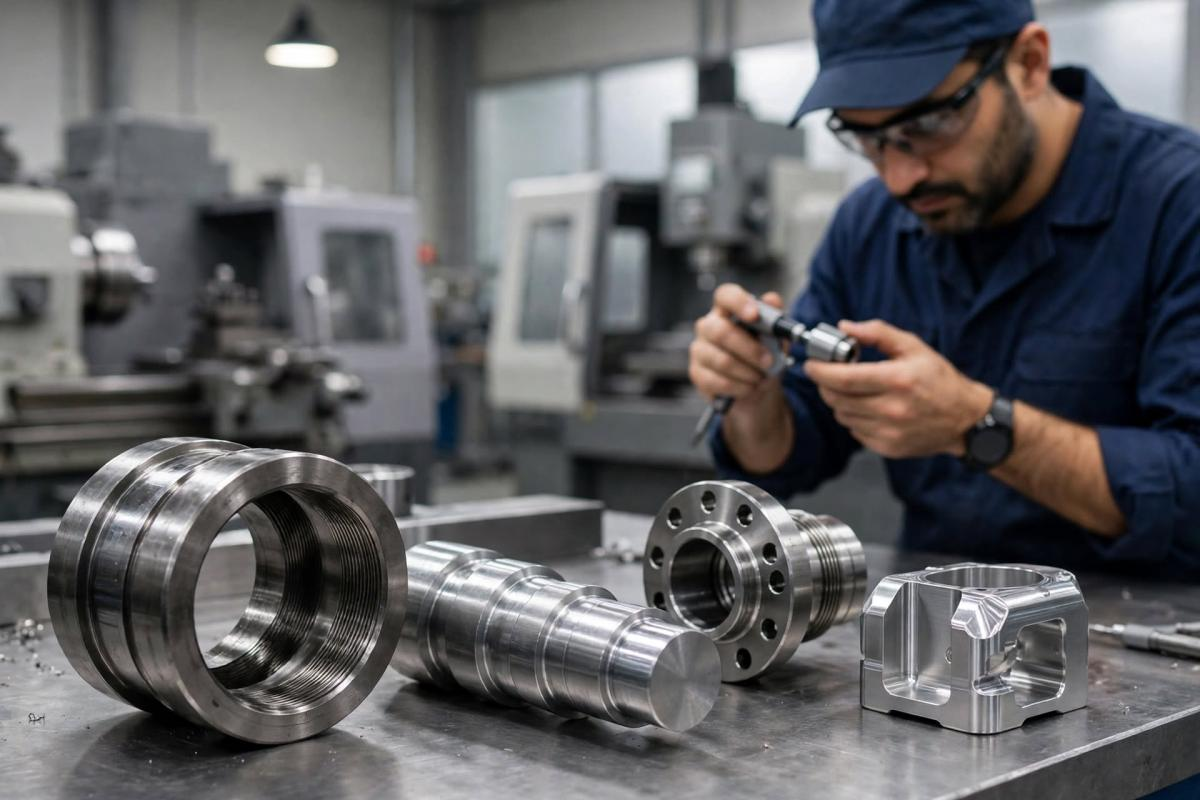
Selecting the right machining process can affect component accuracy, material use, and how well a part fits its intended application. CNC machining services uae support industrial projects by producing precision components through computer-controlled machining, with material selection and design requirements guiding the manufacturing process.
Start with the Component Design and Its Purpose
Before machining begins, manufacturers need to understand what a component must do and how it will fit into an assembly. Dimensions, material, geometry, and required tolerances all influence the manufacturing approach. Clear specifications help avoid misunderstandings between the buyer, design team, and machining provider.
A technical drawing should identify important measurements, hole locations, threads, surfaces, and other features that affect fit or function. If a part has several connecting surfaces, those dimensions should be checked carefully because small differences may affect assembly.
For example, a custom metal housing may need accurately positioned holes and flat mounting surfaces, while a cylindrical shaft requires suitable diameter control and concentric features. Each design calls for a machining plan that reflects its geometry.
Before requesting a quotation, prepare:
-
An approved engineering drawing or suitable CAD model.
-
Material specifications and required quantities.
-
Critical dimensions and tolerance requirements.
-
Any agreed finishing or inspection requirements.
Providing this information early helps the manufacturer assess the job and explain any details that need clarification.
Choose Milling or Turning Based on Part Geometry
CNC milling and CNC turning are important processes for producing different types of precision components. Selecting between them depends primarily on the shape of the part and the features that must be machined.
CNC milling uses rotating cutting tools to remove material from a workpiece. It is useful for producing flat surfaces, slots, pockets, holes, and more complex shapes. A machined mounting block, for instance, may require several accurately positioned holes and milled surfaces to connect with other equipment.
When comparing CNC Machining Services UAE quotations, buyers should confirm that each supplier has understood the same drawing revision and manufacturing scope. This makes the comparison more meaningful than looking at price alone.
Connect Precision Machining with Industrial Equipment Needs
Machined components are often part of larger industrial assemblies, so manufacturing decisions should reflect the requirements of the complete equipment. A replacement shaft, mounting component, housing, or custom fitting must match the necessary dimensions and interfaces to perform its intended role.
This is particularly relevant to oil and gas operations, where equipment sourcing may involve both standard products and components made to specific requirements. oil and gas procurement solutions uae can involve coordinating equipment requirements, supplier information, technical specifications, and purchasing needs for drilling, production, processing, transportation, storage, refining, and petrochemical applications.
When a project needs custom-machined parts alongside sourced equipment, buyers should make the relationship between the items clear. Drawings, assembly details, material requirements, and delivery expectations can help suppliers understand how the components relate to the wider order.
Genesis-MFG provides CNC precision machining and oil and gas equipment sourcing. Its services are relevant to businesses that need precision-manufactured components or equipment sourcing support for industrial applications.
The goal is not to make every component through the same process. It is to select a suitable manufacturing or sourcing route for each requirement and ensure that the agreed specifications remain consistent throughout the order.
Confirm Quality Requirements Before Production
Precision machining depends on more than selecting the correct machine. The approved design, material specification, machining process, and inspection requirements must work together to produce a component that meets the stated requirements.
Before production starts, confirm that the supplier is using the correct drawing and revision. If a dimension, tolerance, or material detail is unclear, resolve the question before manufacturing. This is especially important when a component must fit an existing assembly or replace a part with defined dimensions.
Inspection should focus on the features that matter to the component's intended use. Depending on the drawing, this may include overall dimensions, hole positions, diameters, threads, or surface requirements. Buyers should agree on any required inspection records or material documentation before placing the order.
Good coordination continues after the quotation is accepted. Keep approved specifications, order quantities, agreed changes, and delivery expectations documented. If a design changes, communicate the revision clearly so that the manufacturer does not work from outdated information.
Conclusion
Successful precision machining begins with a suitable design, an appropriate machining process, the correct material, and clearly defined inspection requirements. When industrial projects also require equipment sourcing, oil and gas procurement solutions uae can help buyers coordinate equipment needs with technical specifications and purchasing plans. Businesses can explore Genesis-MFG's CNC precision machining and equipment sourcing services to determine which options fit their project requirements.
FAQs
1. What are CNC machining services used for?
They are used to manufacture precision components from materials such as metals by following digital designs and specified dimensions.
2. What is the difference between CNC milling and turning?
Milling uses rotating cutting tools to shape a workpiece, while turning typically rotates the workpiece against a cutting tool to produce cylindrical features.
3. Which information is needed for a machining quotation?
A drawing or CAD model, material specification, quantity, critical dimensions, tolerances, and any required finishing or inspection details are useful.
4. Can machined parts support oil and gas equipment requirements?
Yes. Custom-machined components may be needed for industrial equipment, depending on the design, application, and specified requirements.
5. Why should inspection requirements be agreed in advance?
Early agreement clarifies which dimensions, features, and documents must be checked, helping both the buyer and manufacturer work to the same expectations.











Comments (0)