

Bali Yoga Teacher Training: From Beginner to Certified Instructor
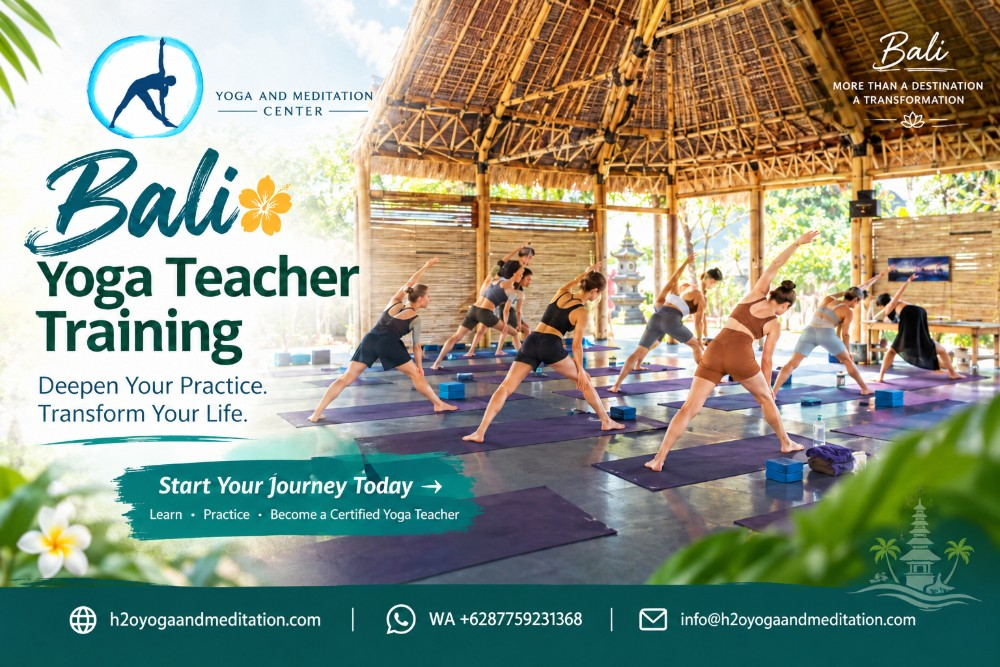
For many yoga practitioners, becoming a certified teacher starts with a desire to understand yoga beyond physical postures. Bali Yoga Teacher Training can provide an immersive setting where students develop their personal practice while learning the skills needed to guide others. For those considering a 200-hour program, understanding the training structure, curriculum, teaching practice, and daily experience can help you decide whether this type of course suits your goals.
At H2O Yoga and Meditation Center, our community connects with a 200-hour Hatha-Vinyasa Yoga Teacher Training offered through Samastha Yoga Shala on the neighboring island of Lombok, Indonesia. The program is designed for people who want to teach high-quality vinyasa yoga as well as practitioners who want to deepen their understanding of yoga.
What Is Bali Yoga Teacher Training?
A yoga teacher training program typically combines physical practice with studies in anatomy, philosophy, meditation, breathing techniques, sequencing, and teaching methodology. A 200-hour course provides a structured foundation for students who want to pursue yoga teaching or develop a deeper personal relationship with the practice.
Although this training takes place in Lombok, its proximity to Bali makes it relevant for practitioners researching Bali-based yoga experiences. Lombok offers a quieter island environment while remaining part of Indonesia's well-known yoga and wellness travel region.
The training runs for 28 days and 27 nights, creating an extended period for students to focus on learning, practice, reflection, and teaching.
From Yoga Practitioner to Teacher
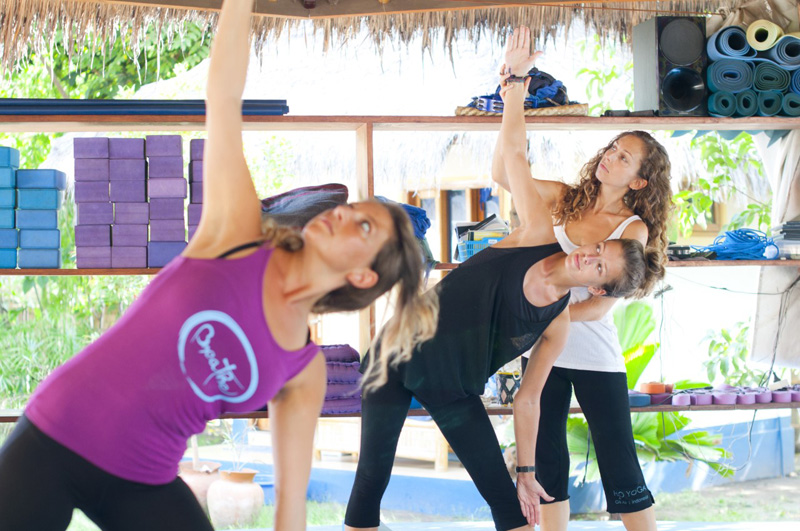
You do not become a teacher simply by memorizing yoga poses. Effective teaching requires an understanding of how to communicate movement, observe students, provide appropriate guidance, and create a safe learning environment.
This Bali Yoga Teacher Training pathway introduces teaching practice from the beginning rather than leaving it entirely until the final days. Students participate in peer teaching, receive feedback, and gradually develop their ability to guide a class.
The final teaching practicum gives students an opportunity to demonstrate their knowledge and teaching skills. Certification is based on successful completion and demonstrated competence in the program.
What Will You Study?
The 200-hour Hatha-Vinyasa curriculum combines traditional yoga teachings with modern approaches to movement and anatomy. Key areas include:
Asana and Functional Movement
Students explore postures, alignment, sequencing, and functional movement. Practice sessions and asana labs help students understand how to approach poses and adapt their teaching to different bodies and abilities.
Anatomy and Biomechanics
Understanding the body is an important part of responsible yoga teaching. The program covers applied anatomy, alignment, and biomechanics to help students develop a more informed approach to movement.
Pranayama, Meditation and Mantra
Yoga extends beyond physical movement. Students explore breathing practices, meditation, mantra, mudra, and other techniques that support concentration and awareness.
Yoga Philosophy and Lineage
The curriculum also introduces important philosophical teachings and historical perspectives, including the Yoga Sutras, Bhagavad Gita, yoga history, ethics, and non-dual Tantra.
Teaching Methodology
Students develop practical teaching skills through cueing, sequencing, class theming, adjustments, space holding, and practice teaching. Regular feedback helps them identify areas for improvement throughout the course.
Learning in a Small Group
The training is structured for approximately 8–12 students. A smaller cohort can create more opportunities for individual feedback and peer learning.
Students participate in study groups, teaching circles, workshops, and discussions throughout the month. Working with an international group can also expose participants to different experiences and perspectives on yoga practice.
What Does a Typical Training Day Look Like?
The schedule combines physical practice, academic study, teaching practice, meals, rest, and reflection.
A sample day may include:
- 7:00–8:30 am: Morning Hatha-Vinyasa practice
- 8:30–9:30 am: Breakfast
- 9:30–10:00 am: Mantra and mudra circle
- 10:00 am–12:30 pm: Yoga anatomy
- 12:30–2:30 pm: Lunch and rest
- 2:30–5:00 pm: Yoga philosophy
- 5:00–5:50 pm: Pranayama
- 5:50–6:20 pm: Practice teaching
- 6:20–6:50 pm: Meditation
The exact schedule can vary, but the overall structure balances study with practical application and personal practice.
Who Leads the Training?
The lead teacher trainer is Maddy Jones, E-RYT 500, who has more than 11 years of teaching experience and over 4,000 teaching hours. Her background includes a B.S. in Kinesiology with a concentration in Strength & Conditioning, along with advanced biomechanics training.
Her teaching background includes hatha, vinyasa, pranayama, meditation, trauma-sensitive yoga, and sound healing. She taught at H2O Yoga and Meditation Center during 2025 and continues to be affiliated with the center.
What Is Included?
The program includes several elements designed to support a month-long training experience:
- 27 nights of accommodation in Kuta, Lombok
- 200 contact hours of training
- Daily yoga, meditation, and breathwork
- Training manual and materials
- Two meals per day
- Mentorship and personalized feedback
- Yoga Alliance 200-hour certification upon successful completion
Flights, airport transfers, travel insurance, additional meals, optional excursions, and personal expenses are not included.
What Happens After Training?
Completing a 200-hour program can provide a foundation for teaching yoga, but learning continues beyond certification. Graduates can continue developing their teaching through practice, mentorship, additional education, and experience with different student groups.
For someone researching Bali Yoga Teacher Training, it is useful to look beyond the destination and compare factors such as curriculum, teaching hours, trainer experience, group size, accommodation, daily schedule, assessment requirements, and certification.
Begin Your Yoga Teacher Training Journey
H2O Yoga and Meditation Center connects students with this 200-hour training through Samastha Yoga Shala in Lombok, Indonesia. The program is suitable for both aspiring teachers and practitioners who want a deeper, more structured yoga immersion.
For current dates, enrollment information, and course details, visit Samastha Yoga Shala before making your plans.

Welcome to H2O Yoga and Meditation, the ultimate destination for rejuvenating Bali retreats and transformative yoga experiences. Immerse yourself in the tranquil beauty of Bali as you embark on a journey of self-discovery, healing, and inner peace. At H2O Yoga and Meditation, we offer exceptional yoga retreats in Bali, designed to harmonize your mind, body, and soul. Our serene and picturesque retreat center is nestled amidst lush tropical gardens, just a short distance from the breathtaking beaches of Bali. Book your Bali yoga retreat today and experience the transformative power of yoga amidst the serenity of Bali's natural beauty.











Comments (0)