

Weighted Blankets for Kids in Australia: Safety Tips and Size Guide
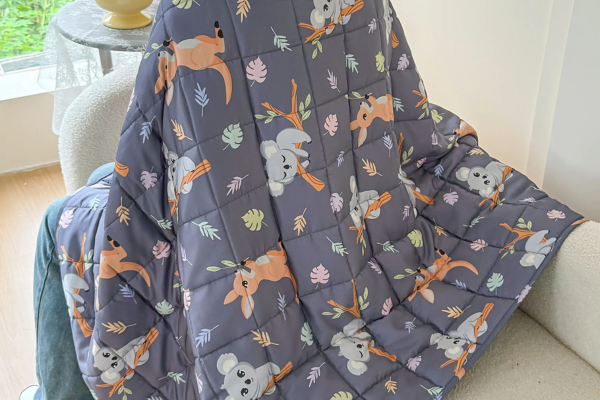
A kids' weighted blanket can be a lovely addition to bedtime, especially for children who find it hard to settle. The gentle, even pressure often feels like a firm hug. But a blanket that suits an adult isn't automatically safe for a child. This guide explains how weighted blankets work, who they may help, how to choose the right size, and the safety rules every Australian parent should know.
What Is a Kids' Weighted Blanket?
A kids' weighted blanket is filled with small, evenly spread pellets or beads that make it heavier than a standard doona. Children's versions are smaller and lighter than adult ones, so the weight suits a child's body.
How Do Weighted Blankets Work?
They rely on deep pressure stimulation. Firm, even pressure across the body may help some children feel calmer and more relaxed. Occupational therapists have long used weighted products as part of a sensory routine. Research into sleep benefits is still developing, so think of a weighted blanket as one comfort tool, not a guaranteed fix.
Who Might Benefit From a Weighted Blanket?
Some families find them helpful for children who:
- Take a long time to wind down at bedtime
- Feel anxious or restless at night
- Have sensory sensitivities
- Have autism or ADHD
If your child has a medical or developmental condition, talk to your GP, paediatrician, or occupational therapist first. You can also read our article on weighted blankets for children on the autism spectrum for more detail.
Weighted Blanket Safety Tips for Australian Parents
Safety comes first. Follow these guidelines closely.
1. Not for Babies or Toddlers
Weighted blankets are not recommended for babies and very young children. Red Nose Australia advises against heavy items near sleeping infants because of the risk of suffocation and overheating. Most manufacturers suggest children should be at least three years old, so always check the product label.
2. Your Child Must Be Able to Remove It Alone
Your child should be able to push the blanket off easily without help. If they can't lift it or wriggle out from under it, it is too heavy or they are too young.
3. Keep the Weight Appropriate
A common guideline is around 10% of your child's body weight. Heavier is not better and can be unsafe. If your child falls between two weights, choose the lighter one.
4. Never Cover the Head or Face
The blanket should rest on the body from the shoulders down. Never use it as a wrap or swaddle.
5. Watch for Overheating
Australian summers can be hot. Breathable fabrics such as bamboo help regulate temperature, but still check that your child isn't sweaty or flushed overnight. Skip the blanket during heatwaves if needed.
6. Check Health Conditions First
Children with breathing difficulties, asthma, low muscle tone or circulation problems may not be suited to a weighted blanket. Get professional advice before using one.
7. Supervise at First
Introduce the blanket during the day or while you are nearby at bedtime. This lets your child get used to the feeling and helps you notice any discomfort.
Kids Weighted Blanket Size Guide
Choosing the right weight is the most important decision. Use this as a general guide, then follow the manufacturer's recommendations.
| Child's Weight | Suggested Blanket Weight |
|---|---|
| 18–22 kg | 2.2 kg |
| 22–30 kg | 3 kg |
| 30–40 kg | 4 kg |
| 40–50 kg | 5 kg |
These figures follow the 10% rule with a small allowance, and they are a starting point only. Older children and teens may need higher weights, so check the product's own sizing chart.
Choosing the Right Dimensions
Pick a blanket sized for a child rather than a scaled-down adult version. An oversized blanket can bunch up and feel heavier than intended. Our range of kids weighted blankets comes in child-specific sizes and weights to make this easier.
What to Look for When Buying
When comparing options, look for:
- Secure stitching with small compartments so filling can't escape
- Safe, certified materials, such as OEKO-TEX® Standard 100 certification
- Breathable fabric suited to Australian weather
- A washable, easy-care design
- Clear age and weight guidelines from the maker
Caring for a Weighted Blanket
Always check the care label first. Many kids' weighted blankets can be machine washed on a gentle cycle, while others need spot cleaning. Inspect the blanket regularly for loose seams or leaking filler, and stop using it if it is damaged.
Final Thoughts
A weighted blanket can make bedtime calmer, but only when used correctly. Choose the right weight, make sure your child is old enough, and always put safety first. If you're unsure, a quick chat with your health professional is well worth it.
Frequently Asked Questions
What age can a child use a weighted blanket?
Most manufacturers recommend ages three and up. Always follow the product label and professional advice.
Can my child sleep under a weighted blanket all night?
Many families do, as long as the child can remove it independently and isn't overheating. Others use it only while winding down.
Are weighted blankets safe for children with autism?
Many families and therapists use them, but suitability varies by child. Speak with your child's occupational therapist or doctor.
Auteeze is a kids-focused online store offering thoughtfully designed sensory comfort products that support better sleep, relaxation, and emotional wellbeing. The range includes bamboo weighted blankets, memory foam pillows, and other child-friendly sensory essentials made to provide calmness and comfort. Each product is created with safe, soft, and high-quality materials to help children with sensory needs feel secure and sleep more peacefully every night.










Comments (0)