

Understanding Dark Spots and Skin Pigmentation
Learn why dark spots and skin pigmentation develop, their common causes, different types, and effective ways to improve uneven skin tone.
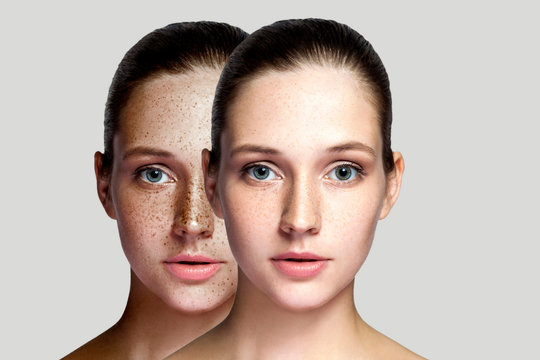
Dark spots and uneven skin tone are common skin concerns that can develop because of sunlight, hormonal fluctuations, acne, and natural aging. Skin pigmentation in Dubai is particularly relevant for people who experience frequent sun exposure, as ultraviolet radiation can stimulate melanin production and make existing discoloration more noticeable.
Although dark spots may look similar, their causes and characteristics can differ. Some appear after acne breakouts, while others develop gradually because of accumulated sun exposure or hormonal changes. Understanding these differences can help you choose appropriate skincare and maintain a more balanced complexion.
What Are Dark Spots and Skin Pigmentation?
Skin pigmentation refers to the natural coloring of the skin, which is mainly determined by melanin. This pigment is produced by specialized cells called melanocytes.
When melanin becomes concentrated in certain areas, darker patches or spots may appear. This condition is commonly known as hyperpigmentation.
Dark spots can vary in size, shape, and color. They may appear light brown, dark brown, or greyish, depending on their cause and how deeply the pigment is located within the skin.
Common Types of Dark Spots
Sunspots
Sunspots, also known as solar lentigines, develop after repeated ultraviolet exposure. They usually appear as flat brown marks on the face, hands, shoulders, and other sun-exposed areas.
These spots can become more noticeable with age because of accumulated sunlight exposure.
Melasma
Melasma is characterized by larger patches of brown or grey-brown discoloration. It commonly affects the cheeks, forehead, nose, and upper lip.
Hormonal fluctuations and sun exposure are important contributing factors. Melasma may become darker during periods of increased sunlight exposure.
Post-Inflammatory Hyperpigmentation
This type of discoloration develops after inflammation or irritation affects the skin. Acne, eczema, insect bites, and minor injuries can leave dark marks even after the affected area has healed.
It is particularly common in individuals whose skin produces more melanin in response to inflammation.
Freckles
Freckles are small, flat spots influenced by genetics and ultraviolet exposure. They often become darker after spending time in the sun and may become less noticeable when exposure decreases.
Why Do Dark Spots Develop?
Excessive Sun Exposure
Ultraviolet radiation stimulates melanocytes to produce additional melanin. Repeated exposure can contribute to sunspots and uneven skin tone.
This is an important consideration in Dubai, where sunny weather makes consistent sun protection essential.
Hormonal Changes
Hormonal fluctuations can influence melanin production and contribute to melasma. Pregnancy and certain hormonal medications may increase the likelihood of developing facial patches.
Acne and Skin Irritation
Inflammation associated with acne can trigger excess pigment production. Picking pimples or using harsh skincare products may worsen irritation and increase the risk of persistent dark marks.
Natural Aging
Over time, accumulated sun exposure and natural skin changes can contribute to visible discoloration. Age spots commonly develop on areas that receive frequent sunlight.
How to Improve Dark Spots and Uneven Skin Tone
Use Vitamin C
Vitamin C is an antioxidant that helps protect against environmental oxidative stress. It can also support a brighter complexion and improve the appearance of certain dark spots when used consistently.
Apply Niacinamide
Niacinamide helps support the skin barrier and can reduce the transfer of melanin to surrounding skin cells. It is commonly included in products designed for uneven skin tone.
Consider Azelaic Acid
Azelaic acid may help improve post-acne discoloration and selected pigmentation concerns. Its anti-inflammatory properties can also benefit skin prone to breakouts.
Maintain Daily Sun Protection
Apply broad-spectrum sunscreen with SPF 30 or higher every morning. Reapply approximately every two hours when outdoors, particularly during extended periods of sun exposure.
Tinted sunscreen containing iron oxides may provide additional visible-light protection for people experiencing melasma.
Professional Options for Persistent Pigmentation
Some dark spots may require more than regular skincare products. Depending on their underlying cause, different professional procedures may be considered.
Chemical peels can help improve certain superficial pigmentation concerns by encouraging skin renewal. Selected laser treatments may target localized pigment, while microneedling may be appropriate for certain texture and discoloration concerns.
However, these procedures are not suitable for every pigmentation type. Melasma and darker skin tones require careful treatment selection because irritation and excessive heat can sometimes worsen discoloration.
How to Prevent New Dark Spots
Preventing additional pigmentation requires consistency. Protect your skin from excessive sunlight by using sunscreen, wearing protective clothing, and limiting prolonged direct exposure.
Avoid unnecessary scrubbing and aggressive exfoliation. Maintain a gentle skincare routine and manage inflammatory skin concerns such as acne before they leave persistent marks.
It is also important to monitor new or changing spots. Any mark that grows rapidly, changes color or shape, develops irregular borders, or bleeds should receive prompt medical assessment.
When Should You Consider Professional Advice?
Consider professional assessment if pigmentation continues to spread, becomes more noticeable, or does not improve with suitable skincare.
Identifying whether the concern is melasma, sun damage, or post-inflammatory hyperpigmentation helps determine the most appropriate management strategy.
A personalized approach can also reduce the risk of choosing unsuitable products or procedures that may cause additional irritation.
Final Thoughts
Understanding the relationship between dark spots and skin pigmentation in Dubai can help you make better decisions about maintaining an even complexion. Sun exposure, hormonal changes, acne inflammation, and aging can all contribute to discoloration, but appropriate skincare and preventive habits can help manage these concerns. Consistent sunscreen use and carefully selected treatments are important for supporting long-term skin health. For individuals exploring options for dark spots and uneven skin tone, TAJMEELS CLINIC offers an opportunity to learn about personalized approaches to pigmentation management and healthier-looking skin.
For More Details, Contact Us Through:
WhatsApp: +971 56 203 8751
Phone: +971 4 373 9000
Social Media:

Provide health services














Comments (0)