

Sensory Weighted Blanket Myths vs Facts: What Parents Often Get Wrong

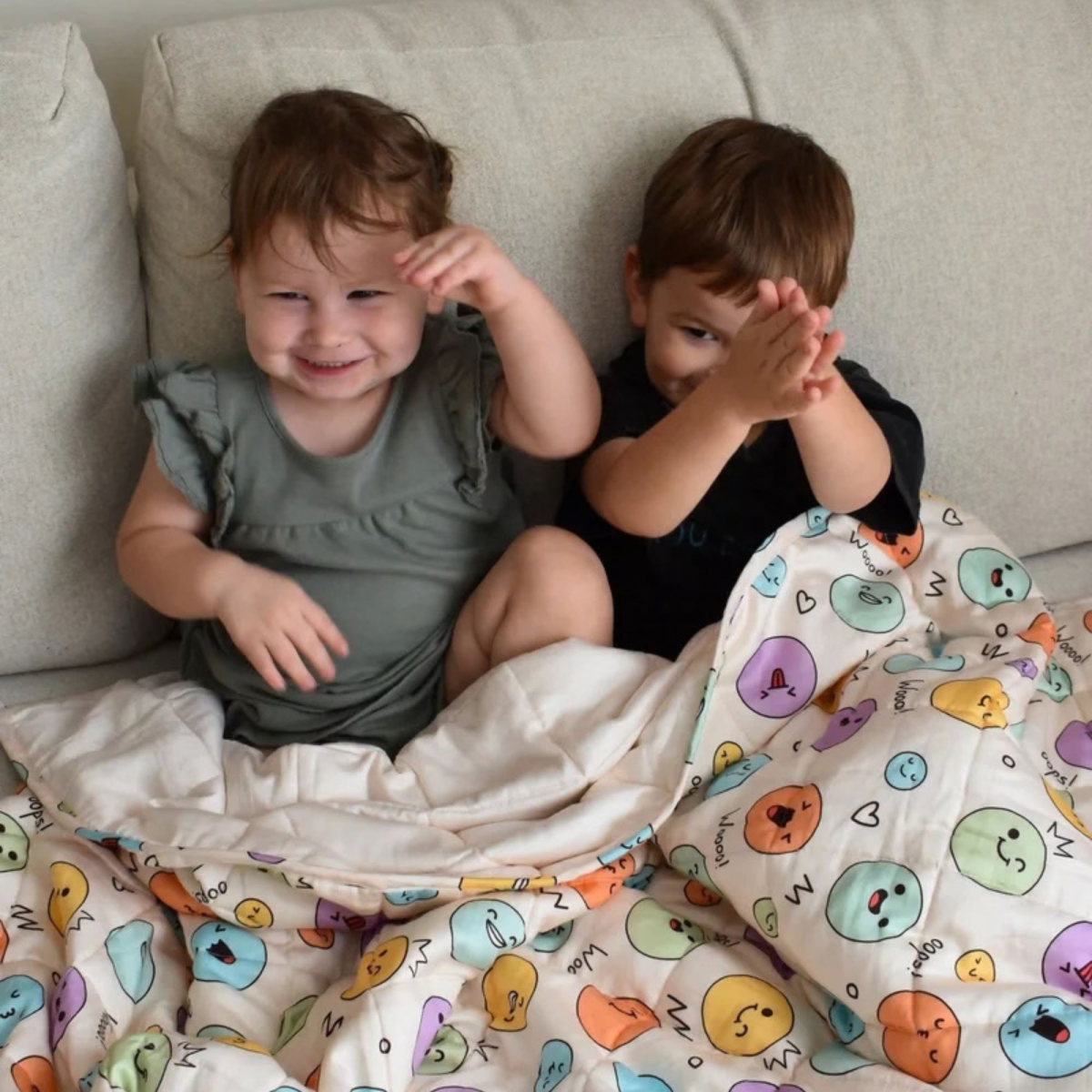
Weighted blankets have become a popular choice for families looking to help their children feel calm at bedtime. With that popularity comes a lot of confident claims, some helpful and some misleading. Before you buy or dismiss one, it helps to know what's realistic. This guide looks at common myths, the facts behind them and the safety basics.
Myth 1: A Weighted Blanket Works for Every Child
The fact: responses vary.
Children experience pressure and touch differently. One child may relax quickly under the weight, while another feels trapped, hot, or unsettled. Families often explore an autism weighted blanket because deep pressure can feel soothing, but that doesn't mean every autistic child will like it, and it isn't only relevant for autism.
What to do instead
Treat a weighted blanket as something to try, not a guaranteed solution. Introduce it gradually, watch your child's reactions, and be ready to stop if it doesn't suit them. A child rejecting the blanket is useful information, not a failure.
Myth 2: Heavier Is Better
The fact: the right weight is what matters.
A common guideline is a blanket that weighs about 10% of your child's body weight. Going well beyond that doesn't add benefits and can create safety and comfort problems. A blanket that's too heavy may feel restrictive, cause overheating, and make it harder for your child to move freely.
What to do instead
Use the 10% guideline as a starting point, then check the manufacturer's sizing chart. If you're between sizes, choose the lighter option. It's better for a child to use a lighter blanket happily than to push a heavy one onto the floor.
Myth 3: It Cures Sleep Problems
The fact: it may help, but it isn't a cure.
Sleep difficulties in children have many causes, including routines, anxiety, medical conditions, light, noise, and temperature. A weighted blanket may make bedtime feel calmer for some children, but it doesn't treat the underlying cause. If sleep problems are ongoing or severe, speak with a pediatrician or sleep specialist.
What to do instead
Use the blanket alongside a consistent bedtime routine, a comfortable room and calming activities before sleep. It works best as one part of a wider plan.
What Research Does and Doesn't Show
The evidence is still developing
Research on weighted blankets for children is limited, and results are mixed. Some studies and parent reports describe improvements in calmness or sleep for certain children, while others find little difference. Many studies are small, which makes strong conclusions difficult.
What that means for parents
The honest takeaway is that weighted blankets aren't proven to work for everyone, but many families find them comforting. If you decide to try one, keep expectations realistic and pay attention to how your own child responds. A health professional such as an occupational therapist can help you decide if it's worth trying.
Myth 4: If My Child Hates Textures, a Weighted Blanket Will Fix It
The fact: fabric still matters.
A weighted blanket doesn't remove a child's sensitivity to how things feel. If the cover is scratchy, warm, or noisy, your child may reject it no matter how helpful the weight could be. Understanding why kids struggle with bedding textures can help you choose softer, more breathable fabrics and avoid a frustrating start.
What to do instead
Let your child feel the fabric before bedtime, check for tags or rough seams, and choose a breathable cover, especially in warmer months.
Myth 5: Weighted Blankets Are Safe for Any Age
The fact: age and ability matter
Weighted blankets are not suitable for babies or very young children. A child should always be able to lift or push the blanket off independently, and it should never cover the face or head. Children with breathing difficulties, certain medical conditions or limited mobility may need extra guidance.
The safety checklist
- Choose a weight suited to your child's body, not age alone
- Never use one with babies or toddlers
- Make sure your child can remove it easily
- Avoid covering the face or head
- Stay nearby the first few nights
- Speak with a paediatrician or occupational therapist if you're unsure
Myth 6: You Can Just Buy One and Forget About It
The fact: gradual introduction helps
Handing a child a weighted blanket and tucking them in on the first night can backfire. Start with short daytime periods, such as reading or watching a show, then build up to bedtime. Check the fit as your child grows, since a blanket that suited them last year may now be too light.
Final Thoughts
Weighted blankets can be a comforting tool for some children, but they aren't magic. They don't work for everyone, heavier isn't better and they don't cure sleep problems. Keep the safety basics in mind, follow the sizing guidance and pay attention to your child's responses. If you're unsure, a health professional can help you decide what fits your family.

Auteeze is a kids-focused online store offering thoughtfully designed sensory comfort products that support better sleep, relaxation, and emotional wellbeing. The range includes bamboo weighted blankets, memory foam pillows, and other child-friendly sensory essentials made to provide calmness and comfort. Each product is created with safe, soft, and high-quality materials to help children with sensory needs feel secure and sleep more peacefully every night.








Comments (0)