

RORO vs. Containerized Car Transportation in India: The Two Vehicle Shipping Systems
Car transportation in India commonly involves two major maritime shipping systems: roll-on/roll-off (RORO) and containerized transportation
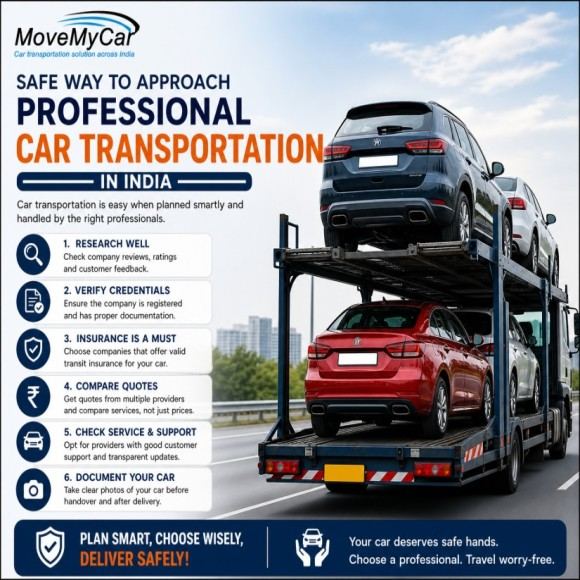
Moving a vehicle over long distances, especially across international routes, requires a shipping method that balances cost, protection, handling requirements, and delivery timelines. Car transportation in India commonly involves two major maritime shipping systems: roll-on/roll-off (RORO) and containerized transportation. Although both move vehicles by sea, their loading procedures, security arrangements, and suitability differ considerably.
Understanding the Two Vehicle Shipping Systems
1. RORO Shipping: Vehicles Drive Directly onto the Vessel
Roll-on/Roll-off shipping is designed specifically for wheeled cargo, including passenger cars, SUVs, commercial vehicles, and trucks. Instead of being placed inside individual containers, vehicles are driven or rolled onto a specialized vessel using built-in ramps.
Once inside, vehicles are positioned in designated parking spaces across multiple decks and secured using wheel chocks and lashing equipment.
How RORO transportation works:
-
Vehicles are delivered to the designated port terminal.
-
Inspection and documentation are completed before loading.
-
Drivers or authorised personnel move vehicles onto the vessel.
-
Vehicles are parked and secured inside designated decks.
-
At the destination port, vehicles are driven off the vessel.
Main advantage: RORO eliminates the need for individual container loading, making it a practical option for transporting large numbers of operational vehicles.
However, vehicles may remain exposed to the vessel's internal environment and can be accessed by authorized port and vessel personnel during handling.
2. Containerized Shipping: Vehicles Secured Inside Containers
Containerized transportation involves placing vehicles inside standard or specialised shipping containers. Depending on vehicle dimensions and container specifications, one or more cars may be accommodated in a container.
The vehicle is positioned using loading ramps or specialised equipment. Once inside, it is secured with wheel restraints, straps, and other appropriate fastening systems to minimise movement during transit. The container is then sealed before being loaded onto the vessel.
Typical containerized shipping process:
-
Vehicle preparation: The car undergoes inspection, documentation, and preparation for loading.
-
Container selection: A suitable container is selected based on vehicle dimensions and loading requirements.
-
Positioning: The vehicle is carefully moved inside using appropriate equipment.
-
Securing: Wheel restraints and lashing systems help prevent shifting during transit.
-
Sealing and loading: The container is sealed and transferred to the vessel for transportation.
Main advantage: Enclosing the vehicle provides an additional physical barrier against external weather conditions, port dust, and incidental handling exposure.
Containerized shipping can also be useful for high-value, specialised, or non-operational vehicles that require controlled loading arrangements.
RORO vs. Containerized Shipping: Key Differences
|
Comparison factor |
RORO shipping |
Containerized shipping |
|
Loading method |
Vehicles driven onto the vessel |
Vehicles loaded into containers |
|
Protection |
Stored within vessel decks |
Enclosed inside shipping containers |
|
Loading equipment |
Vessel ramps and driving access |
Ramps, forklifts or specialised loading equipment |
|
Vehicle capacity |
Suitable for large vehicle volumes |
Depends on container dimensions |
|
Accessibility |
Vehicles remain in designated vessel areas |
Container remains sealed during transit |
|
Cost structure |
Often economical for suitable vehicle volumes |
Depends on container size and loading requirements |
Which Shipping System Should You Choose?
The right method depends on the vehicle, destination, budget, and protection requirements.
-
Choose RORO when transporting standard, operational vehicles on routes with suitable RORO vessel availability. It can be efficient for bulk vehicle movements.
-
Choose containerized shipping when additional enclosure is important, particularly for specialised vehicles, high-value models, or shipments requiring a sealed container.
Before selecting either option, compare freight charges, port handling fees, insurance coverage, customs requirements, and destination-side delivery arrangements. Also confirm whether the vehicle meets the shipping company's operational and documentation conditions.
Conclusion
Both shipping systems serve different vehicle transportation requirements. RORO offers a dedicated vehicle-loading process, while containerized shipping provides an enclosed transportation arrangement. Comparing these differences helps customers select an appropriate method based on vehicle specifications, route availability, and protection needs. Reliable car carrier services in India can help coordinate the shipping process, documentation, loading arrangements, and vehicle delivery.

Choose packers and movers in Bhopal for shifting goods,office,furniture and vehicle at best prices through LogisticMart https://www.logisticmart.com/bhopal/packers-and-movers









Comments (0)