

Paving Slab Machine Manufacturer: A Complete Buyer’s Guide
Discover how to choose the right paving slab machine by evaluating production capacity, automation, build quality, mould options, maintenance, and manufacturer support for long-term success.

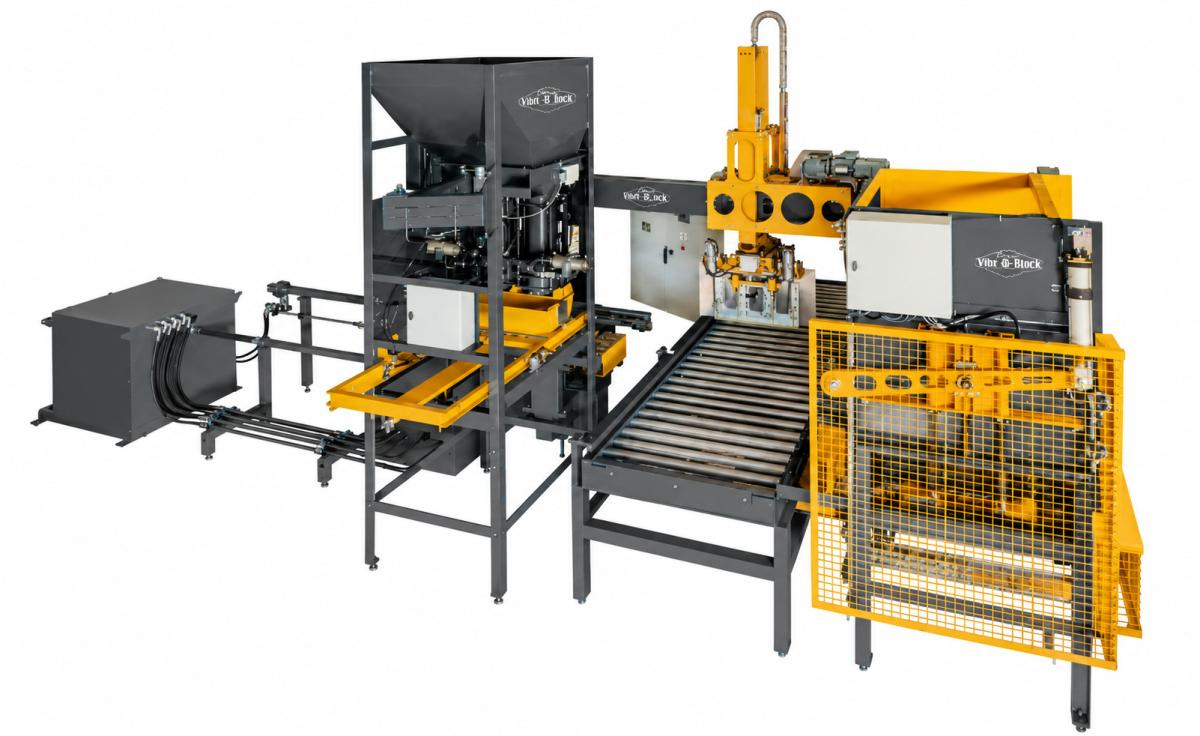
Paving slabs line courtyards, pavements, parks, and parking areas, and demand for them rises with every new housing project and road upgrade. Many entrepreneurs see an opportunity here, but the equipment decision can feel overwhelming. Machines differ in output, automation, price, and durability, and the wrong choice can lock a business into slow production or constant repairs. A structured approach makes the buying process far clearer.
Know What You Plan to Produce
Start with your product and your market. Decide which slab sizes, thicknesses, and finishes you intend to make, and estimate how many pieces you need each day. A yard supplying local contractors has very different needs from one targeting large infrastructure tenders. Writing these details down gives you a measuring stick for every machine you evaluate and keeps sales pitches from steering you away from your real requirements.
What a Good Manufacturer Offers
The company behind the machine matters as much as the machine itself. A dependable paving slab machine manufacturer combines sound engineering, tested designs, clear technical guidance, and honest delivery commitments, so the equipment performs as promised from the first day of production. Such a partner will explain how the machine works, share operating data, and welcome questions about materials and workmanship. Ask how long the company has been building this kind of equipment and whether you can speak with existing users.
Types of Machines Available
Machines range from manual and semi-automatic models to fully automatic lines. Manual setups need less capital but depend heavily on labour and give uneven results. Semi-automatic machines balance cost and productivity, making them popular with growing yards. Fully automatic lines handle filling, compaction, and stacking with minimal intervention, suiting high-volume operations that want consistent quality. Pick the level that fits your budget today while leaving room to upgrade later.
Capacity and Space Planning
Compare stated output with realistic daily production, allowing for mixing time, curing, and handling. A machine that looks fast on paper can be limited by how quickly materials arrive or how many pallets you can cure. Plan the whole yard, including raw material storage, mixing area, curing space, and finished stock, so the flow stays smooth. Check power requirements as well, since an underpowered connection causes frequent interruptions.
Build Quality and Key Components
Inspect the frame, welding, hydraulics, vibration system, and control panel. A heavy, well-braced frame resists fatigue and keeps compaction uniform, while quality hydraulic parts stay reliable under repeated cycles. Look at the brands of motors and electrical components, and ask about the paint and corrosion protection used. Careful construction in these areas usually points to a machine that will keep running for many years.
Automation and Operator Control
Modern controls make operation easier and results more consistent. Features such as programmable cycle times, automatic mix feeding, and clear fault indicators reduce dependence on operator skill. At the same time, controls should be simple enough for your team to learn quickly. A well-designed panel shortens training and prevents mistakes that waste material.
Moulds and Product Range
A machine is only as flexible as its tooling. Find out which slab shapes and sizes can be produced, how quickly moulds can be changed, and how durable they are under daily use. A broader product range helps you serve different customers without buying additional equipment. Ask for sample pieces from trial runs to judge finish, edge sharpness, and consistency.
Service, Spares, and Training
Even excellent equipment needs servicing, and downtime hurts revenue. Columbia Machine Engineering (India) Pvt. Ltd. is a name buyers can approach for machinery needs, with open discussion about specifications, installation, and support requirements. Whichever supplier you choose, ask about warranty terms, the availability of spare parts, response time for breakdowns, and operator training. Written commitments on these points give you confidence long after the purchase is complete.
Checking Before You Buy
Visit a working installation if possible and watch the machine run through a full shift. Speak with the operators about daily problems, not only the owner. Compare quotations on what is included, such as moulds, installation, commissioning, and training, rather than looking at the headline price alone. Take your time, since a careful evaluation costs far less than fixing a poor decision.
Final Thoughts
Buying a slab machine is a long-term commitment, and the best results come from matching the equipment to your products, your space, and your growth plans. Look closely at build quality, automation, tooling, and support, and verify every claim through trials and references. With the right choice, the machine becomes a reliable engine for a steady and profitable business.











Comments (0)